Museums are no longer just static collections of artifacts and exhibits. As technology advances, visitor expectations are shifting toward interactive, immersive, and personalized experiences. In an era where information is at our fingertips, cultural institutions must adapt to maintain relevance and provide value. Indoor mapping and smart navigation are playing a crucial role in modernizing museum exploration, making it easier for visitors to navigate large spaces, discover hidden gems among exhibits, and engage with diverse collections in entirely new ways. By leveraging Vicinia technology, museums can bridge the gap between physical spaces and digital convenience.
The Challenges of Museum Navigation
Many museums, especially larger institutions housed in historic buildings, have complex layouts that can be overwhelming for first-time visitors. Traditional paper maps, while useful for basic orientation, often lack real-time information and can be difficult to interpret in multi-level structures. Visitors frequently struggle to locate specific exhibits, restrooms, or amenities, leading to “museum fatigue,” frustration, and a less enjoyable experience overall. This confusion often prevents visitors from seeing the full scope of what an institution has to offer. The inability to find a specific gallery often results in visitors missing key attractions they specifically came to see.
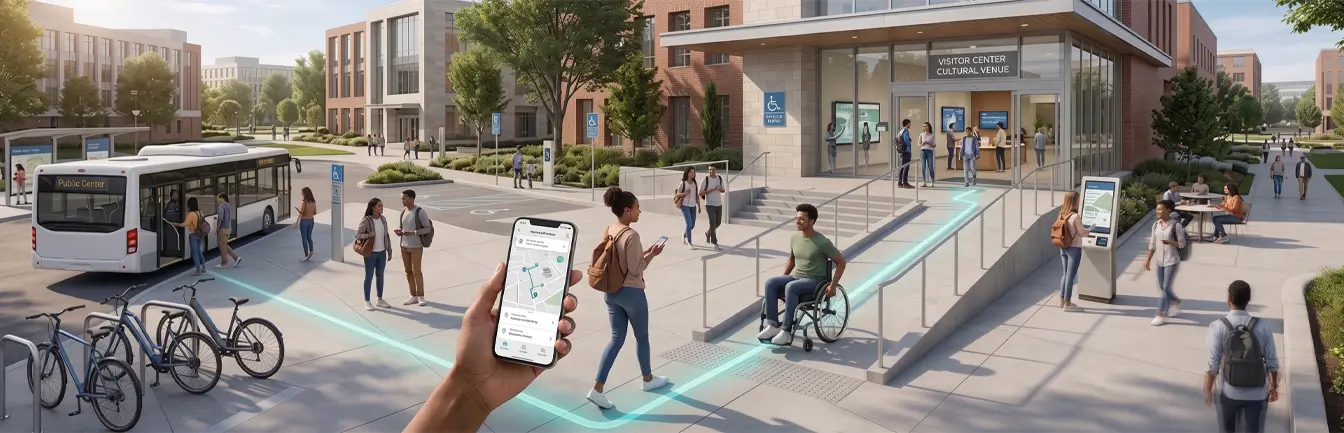
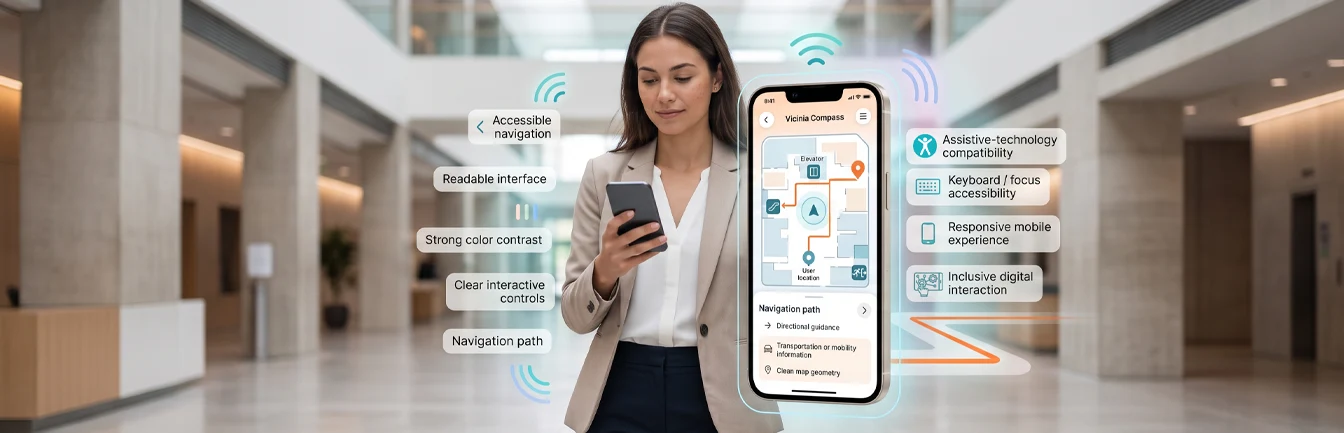
Additionally, accessibility is a key concern for modern curators and facility managers. Museums need to ensure that all visitors, including those with mobility challenges or visual impairments, can navigate exhibits with ease and dignity. Indoor mapping and smart navigation solutions address these systemic issues by providing digital guidance, interactive route planning, and real-time updates. These tools empower visitors to explore at their own pace without the anxiety of getting lost in a labyrinth of galleries, ensuring that the museum environment remains inclusive for everyone regardless of their physical abilities.
How Indoor Mapping Enhances the Museum Experience
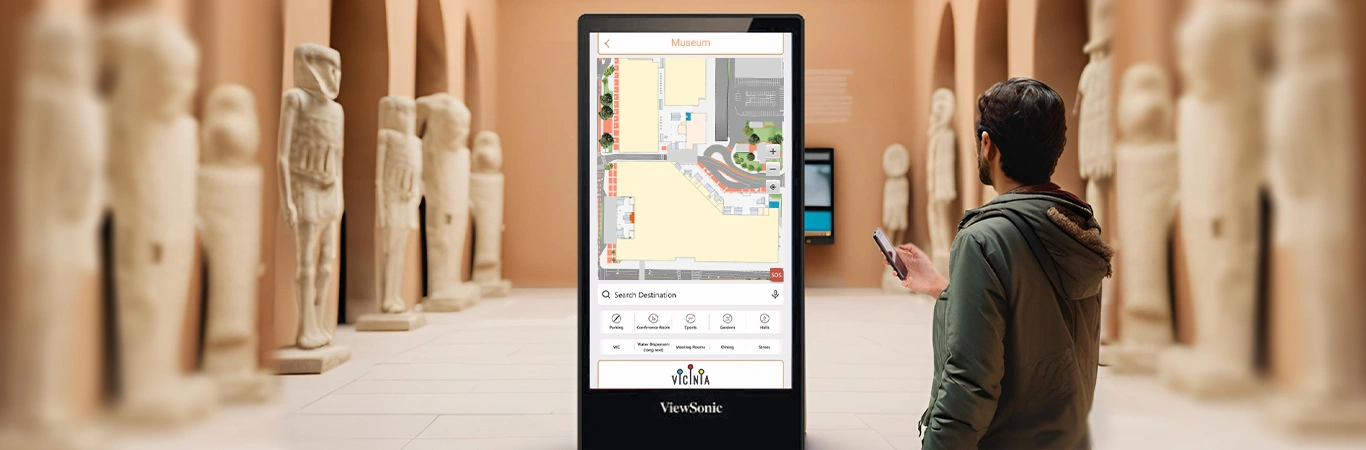
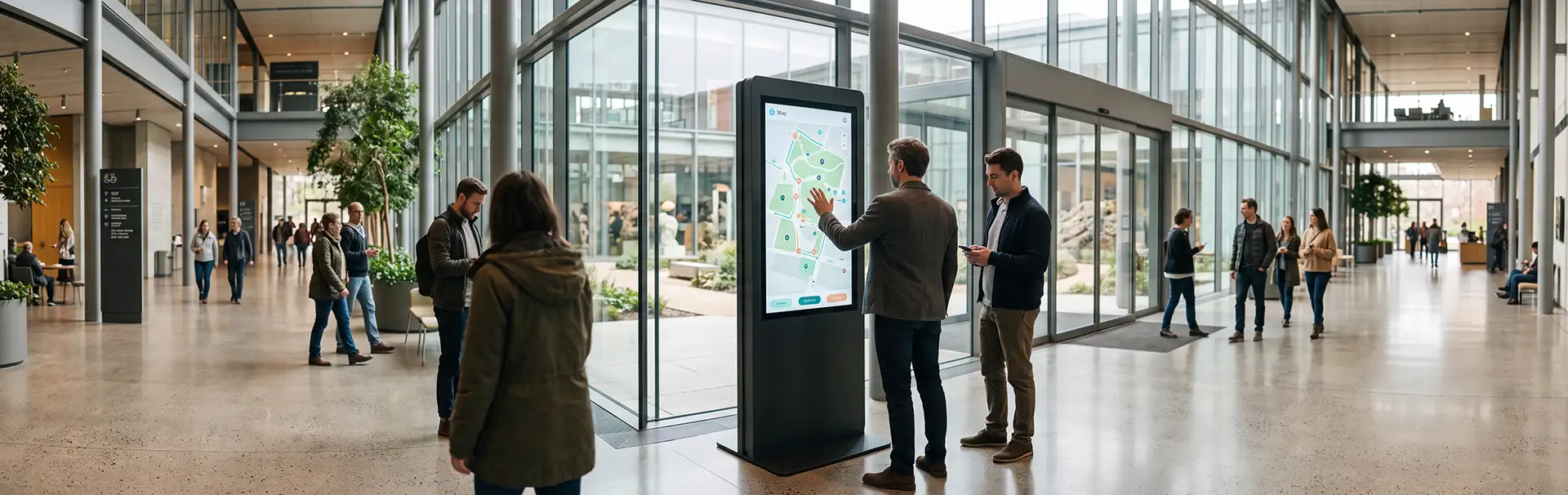
Indoor mapping technology allows museums to offer real-time, digital maps accessible through kiosks, mobile apps, or interactive displays placed strategically throughout the venue. These maps provide more than just a floor plan; they act as a dynamic interface for the entire building. By integrating Vicinia solutions, these maps provide:
- Accurate multi-floor plans: Clearly marked exhibits, cafe areas, and emergency exits across different levels.
- Turn-by-turn navigation: Helping visitors find specific artifacts or temporary exhibitions with high efficiency.
- Customizable tour routes: Based on specific themes, personal interests, or strict visitor time constraints.
- Accessibility-friendly pathways: Prioritizing elevators and ramps for wheelchair users and families with strollers.
By integrating indoor mapping software, museums can streamline visitor flow, reduce congestion in popular galleries, and improve overall engagement by ensuring visitors spend more time looking at art and less time searching for it. This efficiency translates into higher visitor satisfaction scores and positive word-of-mouth for the institution.
Smart Navigation: A New Era of Museum Exploration
Beyond static or even interactive maps, smart navigation systems enhance the visitor journey with interactive and intelligent features. These systems utilize location-aware technology to provide context-sensitive information exactly when the visitor needs it. These features often include:
- Personalized tour recommendations: Suggesting nearby exhibits based on the visitor’s previous interactions or stated interests.
- Augmented reality (AR) wayfinding: Overlaying directional arrows and labels directly onto a visitor’s mobile camera view for intuitive guidance.
- Real-time alerts and notifications: Informing visitors about upcoming guided tours, live demonstrations, or sudden gallery closures.
- QR code and NFC integration: Allowing visitors to scan labels for high-definition multimedia content, audio guides, or historical archives.
Smart navigation solutions transform passive viewing into an interactive learning experience, making museums more engaging for digital-native generations and lifelong learners alike. This data-driven approach also allows curators to understand which exhibits attract the most attention and where visitor dwell time is highest, enabling better exhibit design.
Real-World Application: A Smarter Museum Visit
Consider a visitor arriving at a large natural history museum for the first time. Instead of picking up a confusing paper map, they approach a digital wayfinding kiosk or scan a QR code at the entrance to access a mobile version of the floor plan. This immediately sets a positive tone for their visit.
- The visitor selects a “Dinosaur Exhibit Trail” and receives a step-by-step route optimized to avoid the crowds currently gathered in other popular halls.
- As they approach a specific fossil, their smartphone automatically prompts them with detailed information, videos of the creature, and 3D renderings of the skeletal structure.
- The system intelligently identifies nearby restrooms, cafes, and gift shops, providing the most convenient path when the visitor needs a break.
By leveraging indoor mapping and smart navigation, museums create a seamless and enjoyable visitor experience while simultaneously improving operational efficiency. Staff members spend less time giving directions and more time providing educational value to the public.
The Future of Museum Navigation
As museums continue to embrace digital transformation, indoor mapping and smart navigation will become even more sophisticated. The data collected from these systems can help curators redesign exhibits to improve flow and interest. Future developments in the Vicinia ecosystem may include AI-powered virtual tour guides that offer personalized exhibit insights through natural language processing.
Voice-assisted navigation will eventually help visitors with hands-free exploration, making the museum more accessible for the visually impaired. Furthermore, integration with smart wearables could provide real-time haptic feedback or visual directions directly on a visitor’s smartwatch. Museums that adopt these technologies will enhance visitor satisfaction, improve accessibility, and increase engagement, ensuring they remain vibrant cultural hubs in an increasingly digital world. The journey through history should be supported by the technology of the future.
Conclusion
Indoor mapping and smart navigation are revolutionizing how visitors explore museums. By offering real-time digital guidance, personalized experiences, and interactive engagement, museums can transform their spaces into truly smart environments. Investing in these technologies by Vicinia will not only benefit visitors but also streamline staff operations and future-proof institutions for the years ahead, ensuring every exhibit gets the attention it deserves and every visitor leaves inspired.