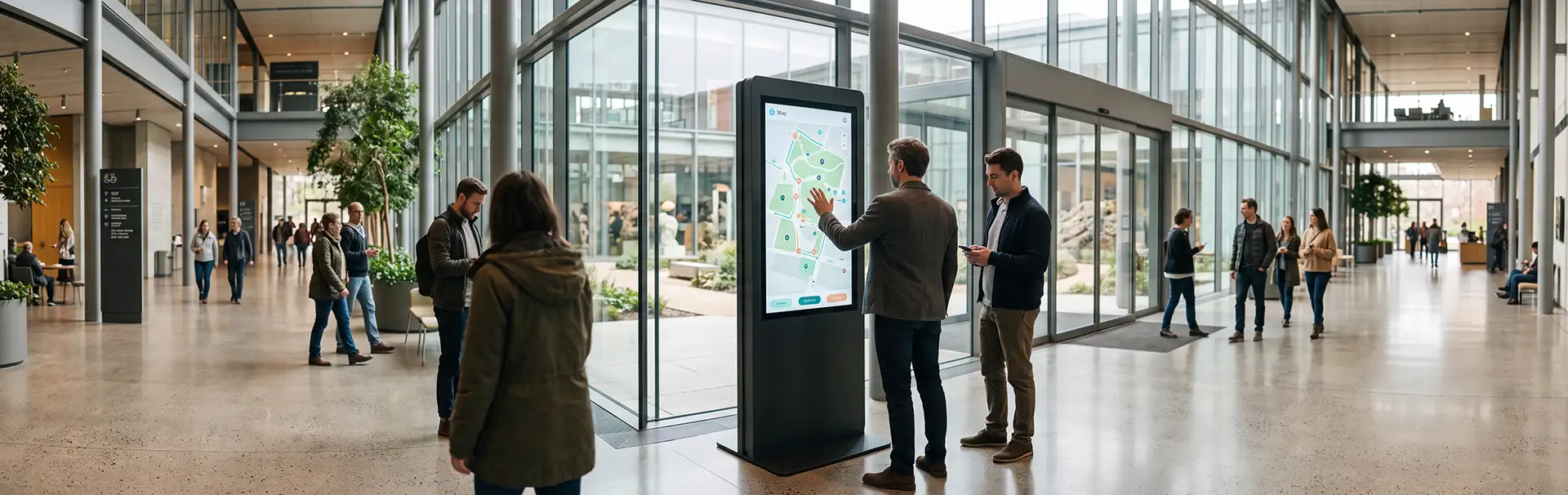
Whether arriving at a museum, zoo, botanical garden, library, cultural attraction, or visitor center, guests often need answers immediately.
Where am I? What should I see next? Is there an event happening today? How do I find a specific exhibit, attraction, or amenity?
For years, visitor kiosks served as little more than digital directories, offering basic maps and location information. Today, their role is evolving. Modern visitor kiosks are becoming digital gateways that connect people, places, and experiences, helping organizations create more engaging, accessible, and connected destinations.
A New Role for Visitor Kiosks
As visitor expectations continue to evolve, organizations are investing in tools that provide immediate access to information while supporting a seamless transition between physical and digital experiences.
Visitors now expect:
- Easy-to-understand navigation
- Real-time information
- Self-service tools
- Accessibility support
- Mobile-friendly experiences
- Personalized discovery
A modern kiosk can serve as the starting point for all of these interactions.
Rather than simply answering “Where do I go?”, today’s kiosks help answer “What can I discover?” and “How can I make the most of my visit?”
Supporting Both Indoor and Outdoor Destinations
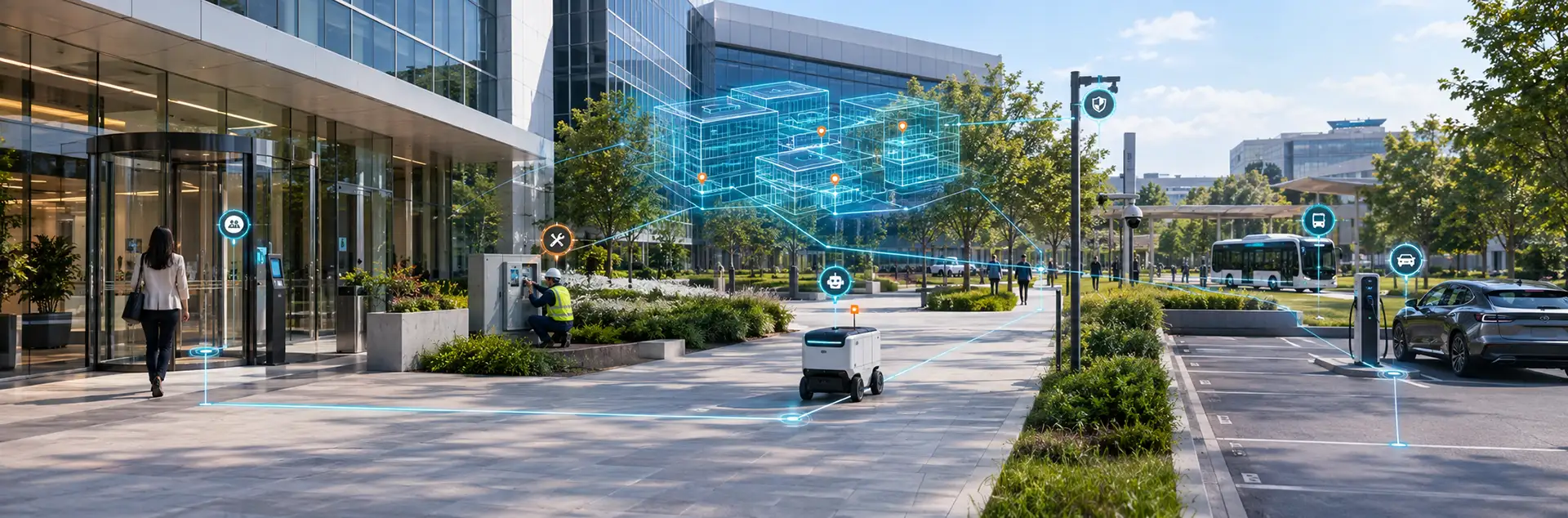
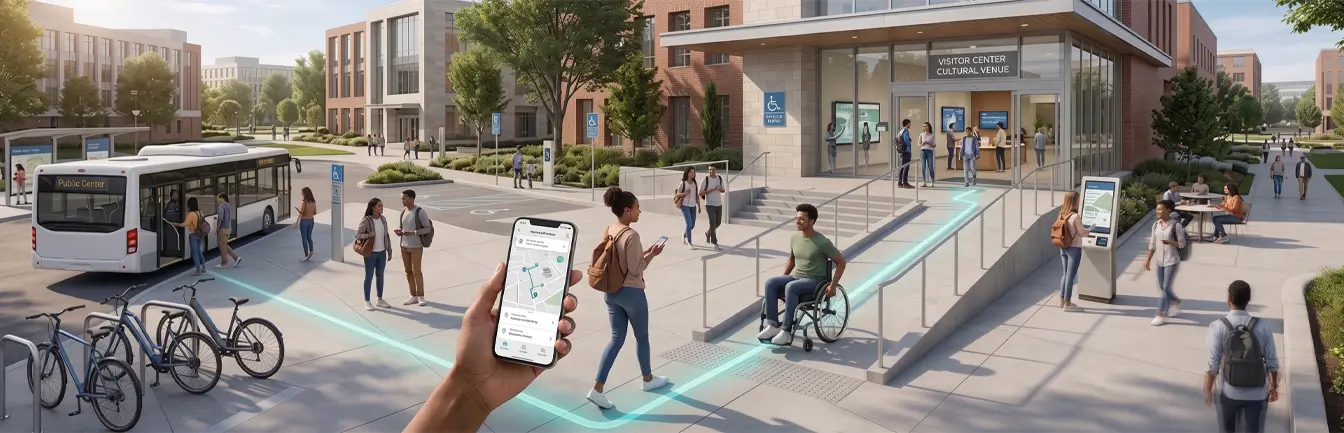
One of the most significant shifts in visitor experiences is the growing need to connect indoor and outdoor environments.
Museums increasingly operate across multiple buildings and exhibit spaces. Zoos and botanical gardens span large outdoor environments. Historic sites and cultural destinations often combine indoor exhibits with outdoor attractions and public spaces.
Modern wayfinding kiosks can help visitors navigate these complex environments through:
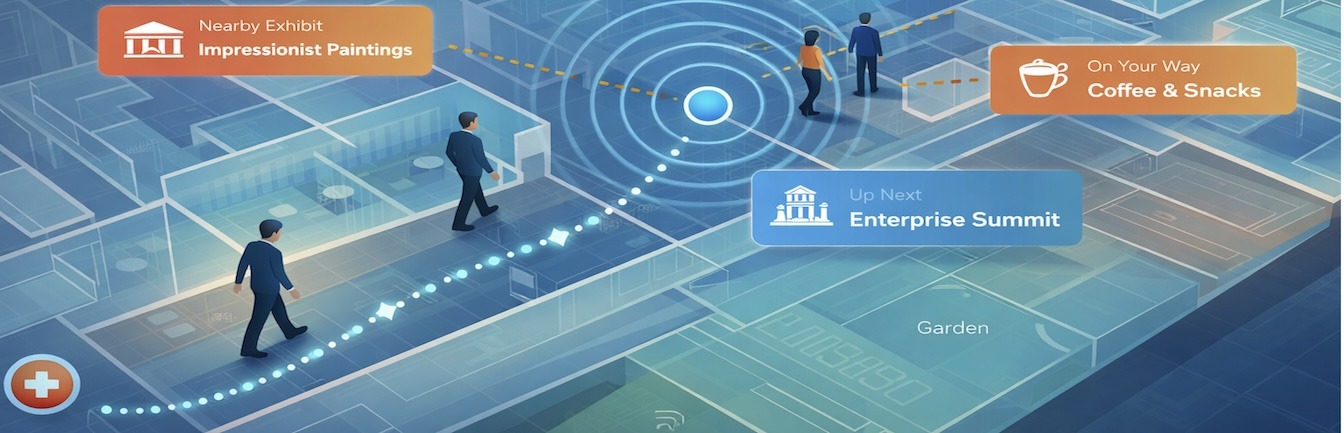
- Interactive maps
- Points of interest
- Event listings
- Accessible routes
- Indoor and outdoor navigation
- Tour discovery
Whether placed in a museum lobby, at a zoo entrance, throughout a botanical garden, or within a cultural district, kiosks help orient visitors and build confidence from the moment they arrive.
Accessibility Beyond Navigation
Not every visitor wants to begin their journey by downloading an app.
Some may be first-time visitors. Others may have limited connectivity, prefer larger displays, or simply want immediate assistance.
Kiosks provide an important accessibility touchpoint by offering:
- Large-format interfaces
- Easy-to-read interactive maps
- Multilingual content
- Accessible routing information
- Event and service information
- Support for visitors unfamiliar with the destination
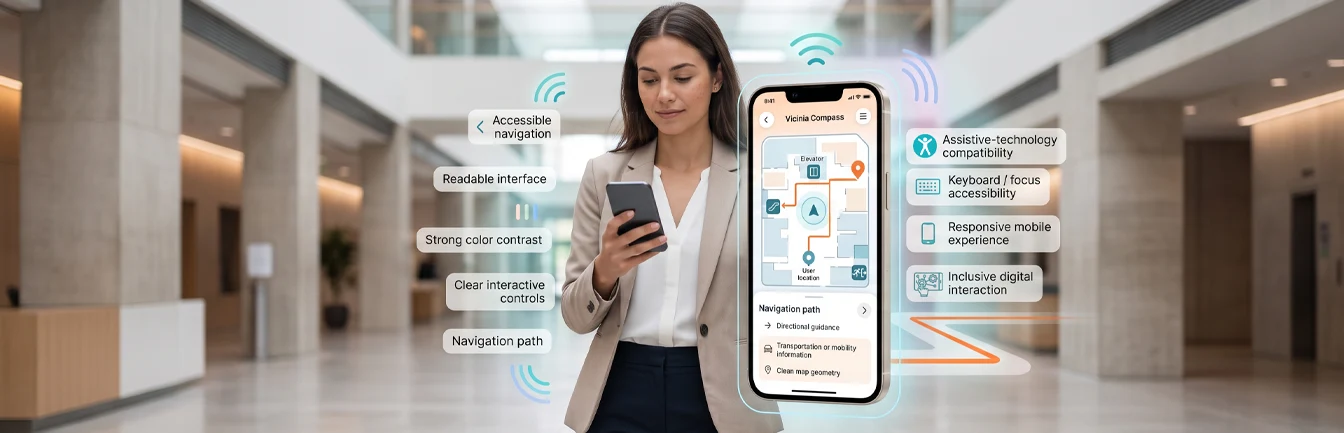
When thoughtfully designed, kiosks help create more inclusive experiences while complementing mobile and web-based tools.
Creating a Bridge to Mobile Experiences
The most effective visitor experiences no longer force a choice between kiosks and mobile applications.
Instead, they connect the two.
Visitors may begin their journey at a kiosk, locate an exhibit or attraction, and then transfer directions to their mobile device for continued navigation.
This creates a seamless experience that combines the visibility and convenience of public kiosks with the flexibility of personal devices.
The result is greater engagement, reduced confusion, and a more connected visitor journey.
Delivering Real-Time Information
Static signage cannot adapt to changing conditions.
Digital kiosks can.
Organizations can use kiosks to communicate:
- Daily schedules
- Event information
- Temporary exhibit updates
- Facility notices
- Emergency communications
- Seasonal programming
Because information can be updated centrally, visitors always have access to current and relevant content.
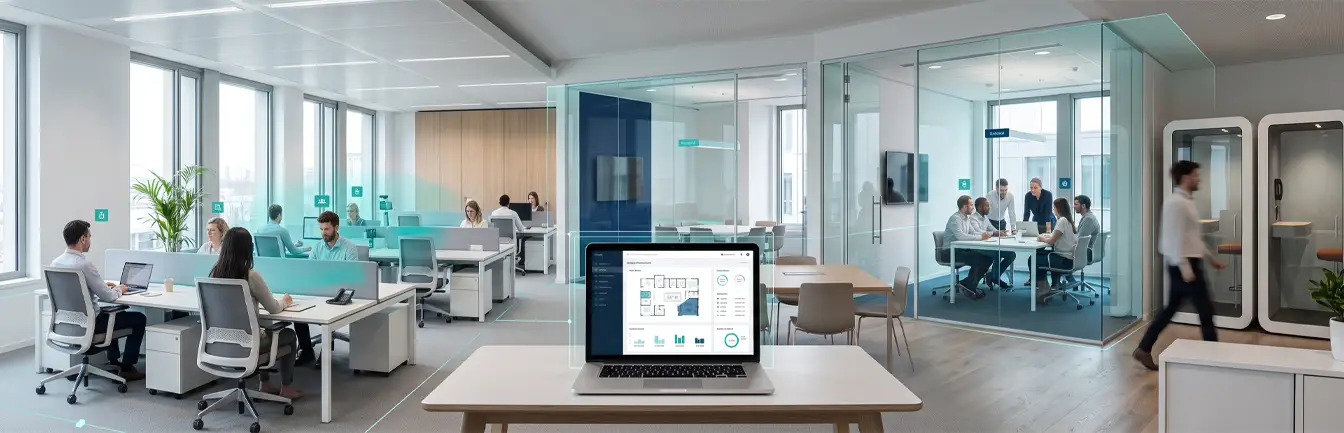
For organizations managing multiple facilities or large public destinations, this flexibility can significantly improve communication and operational efficiency.
Beyond Wayfinding
Modern visitor kiosks are becoming much more than navigation tools.
They are increasingly supporting broader visitor engagement initiatives such as:
- Self-guided tours
- Featured attractions and exhibits
- Membership promotion
- Special events
- Educational content
- Community programming
- Visitor services
In many cases, the kiosk becomes a digital concierge, helping visitors discover experiences they may not have otherwise found.
The Future of Visitor Experiences
As museums, zoos, gardens, libraries, campuses, and public destinations continue to evolve, visitor expectations will continue to rise.
People want information that is accessible, timely, and easy to use. They want experiences that help them explore confidently while discovering more of what a destination has to offer.
Modern visitor kiosks help bridge the gap between physical spaces and digital experiences, creating a more connected journey for every guest.
Far from becoming obsolete, kiosks are emerging as an important part of the visitor experience ecosystem, helping organizations deliver better navigation, stronger engagement, and more inclusive access to the places people visit.