As organizations explore AI assistants, agentic workflows, intelligent automation, and Physical AI, a new challenge is emerging. Many of the systems expected to become more intelligent still struggle to share a common understanding of the physical environments in which they operate.
The problem is not a lack of data. Modern organizations already collect enormous amounts of information across service management, security, mobility, parking, workplace, facilities, and enterprise systems.
The problem is fragmentation.
Every system sees part of the picture. Few see the whole environment.
Why Fragmentation Matters More in the Age of AI
For years, fragmented systems were largely viewed as an operational challenge. Data lived in different applications, workflows crossed system boundaries, and integrations required constant effort.
Today, fragmentation is becoming an intelligence challenge.
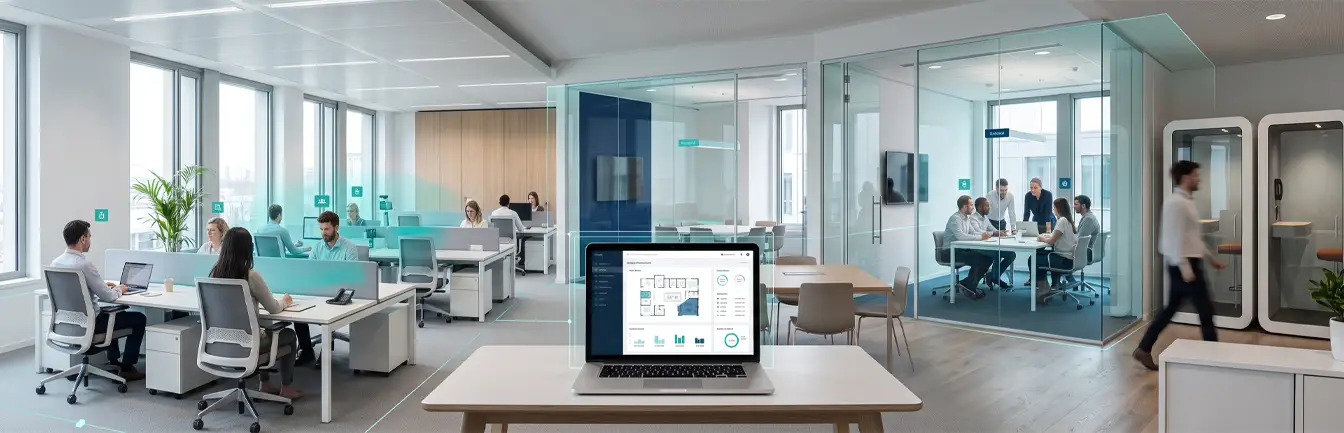
An AI assistant helping a facility manager may need information about assets, locations, service requests, occupancy, and access conditions. An automated workflow may need awareness of destinations, routes, schedules, and operational constraints. Intelligent systems increasingly rely on information that spans multiple platforms and domains.
The more we ask machines to help us make decisions, automate processes, and interact with physical environments, the more important shared understanding becomes.
AI can only reason effectively with the context available to it.
The Missing Context
Most enterprise systems were designed to excel within their own domain.
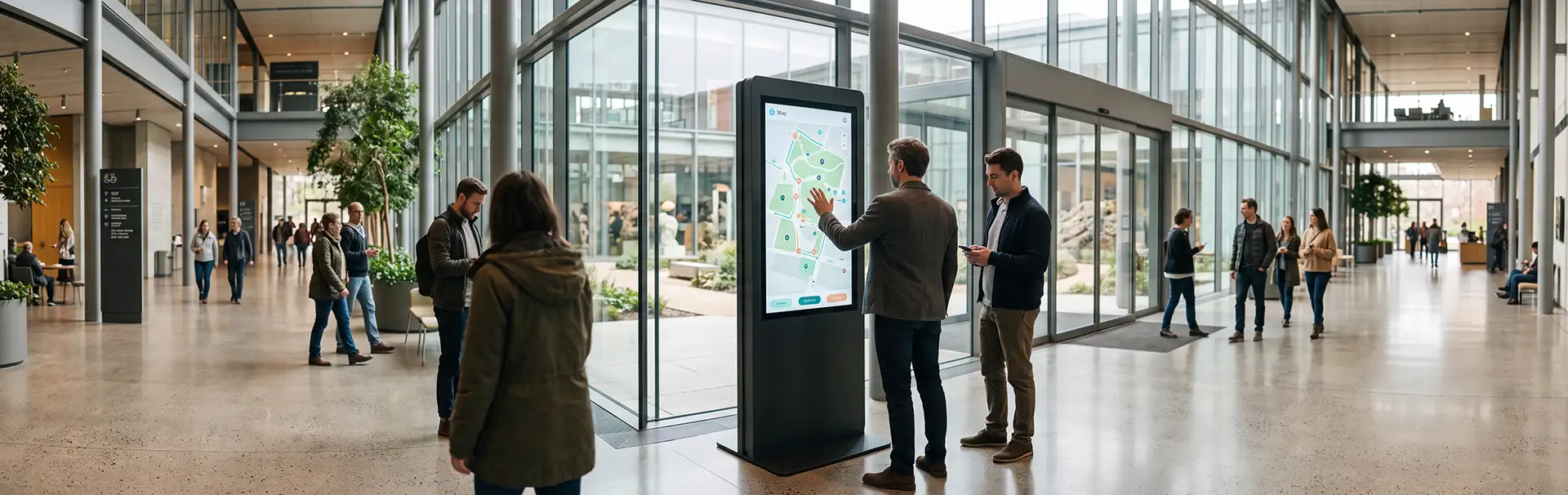
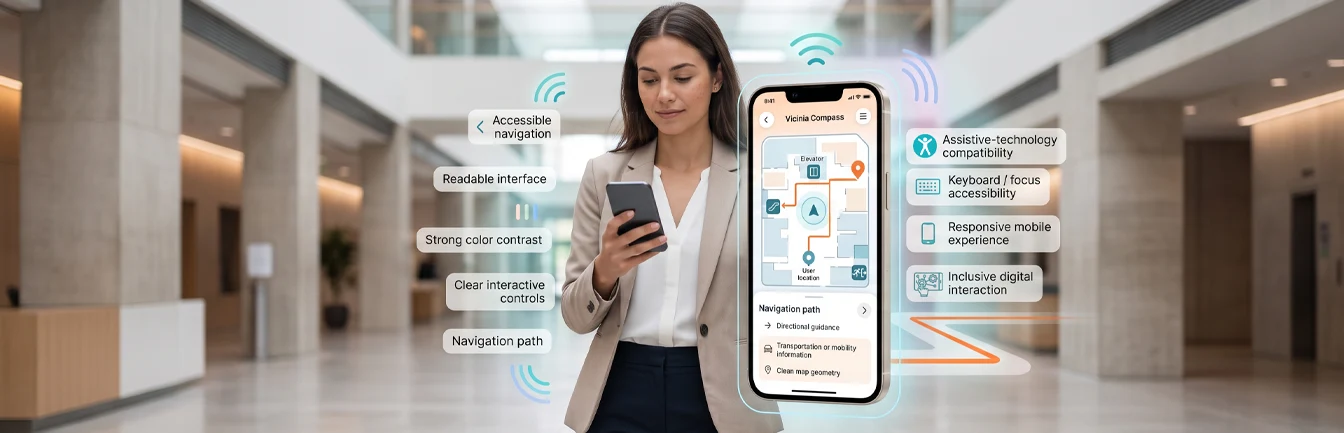
A service management platform understands tickets and workflows. A parking platform understands permits and inventory. A security platform understands access and events. A navigation platform understands routes and destinations.
Each system performs its role well.
The challenge arises when information needs to move across those boundaries.
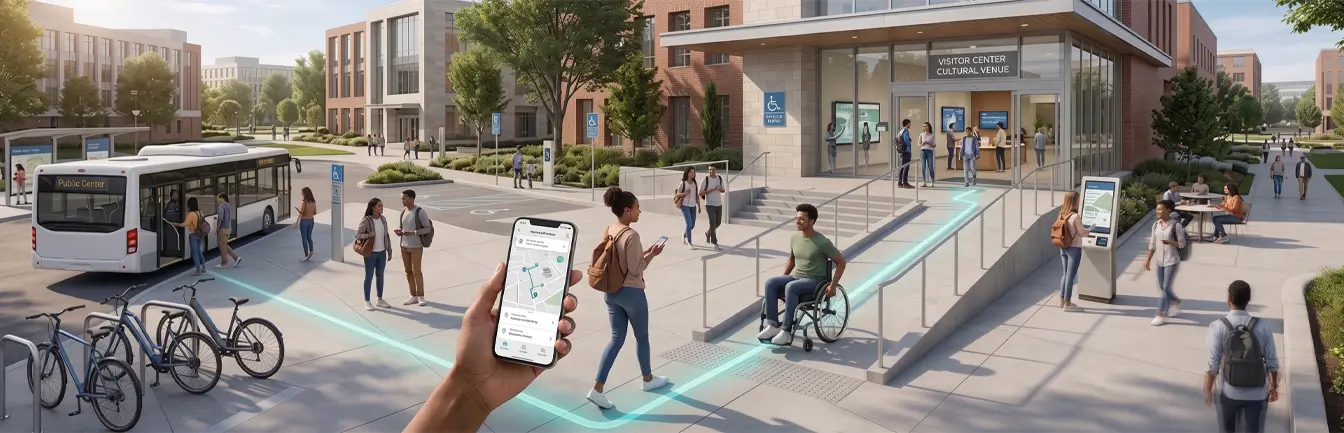
A maintenance request may depend on the location of an asset. A security event may require awareness of nearby spaces and access routes. A parking reservation may be connected to a destination, event, or transportation service. The information exists, but the context is often scattered across multiple systems.
Without a shared understanding of physical space, systems can exchange data while still struggling to communicate meaning.
A Common Language for Physical Environments
People naturally understand relationships between places, assets, routes, destinations, and services.
Software systems often do not.
One way to address this challenge is through a shared operational model that provides a common understanding of the physical environment itself.
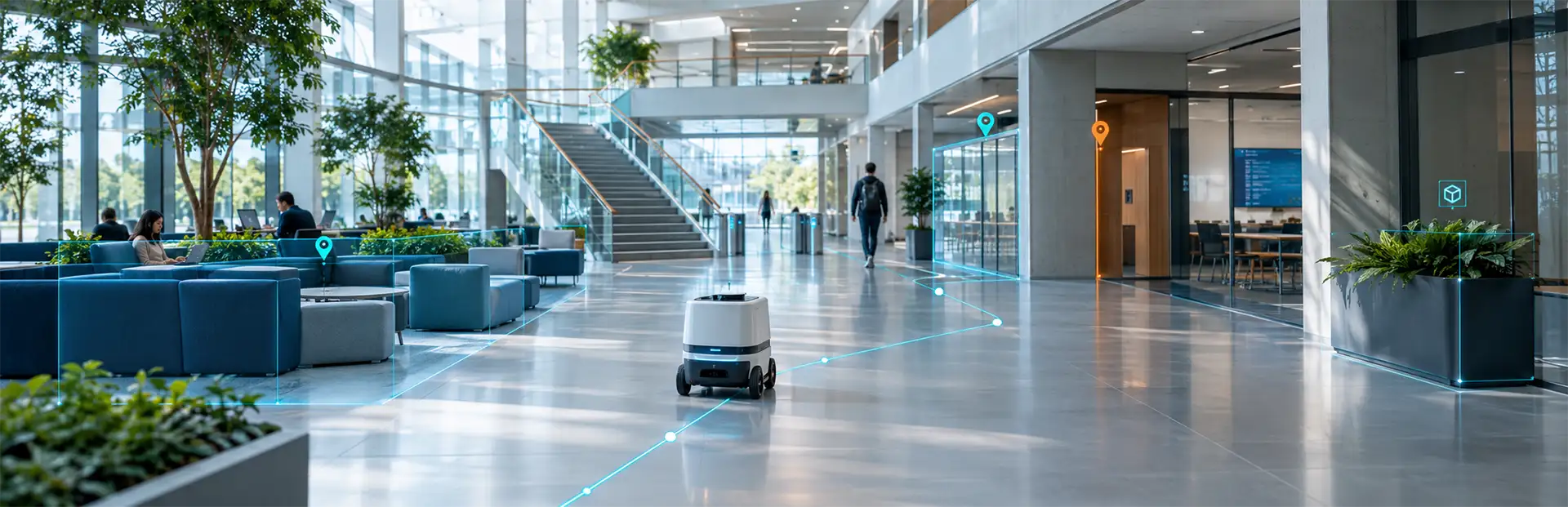
Rather than focusing on individual applications, this approach focuses on creating a common language for understanding places, infrastructure, movement, services, and activity.
When multiple systems can reference the same representation of an environment, they gain a shared frame of reference. Information becomes easier to share, workflows become easier to coordinate, and decisions can be made using a more complete view of the world beyond any single application.
Digital Twins as a Connective Layer
At Vicinia, we have long viewed digital twins as more than visual representations of physical environments.
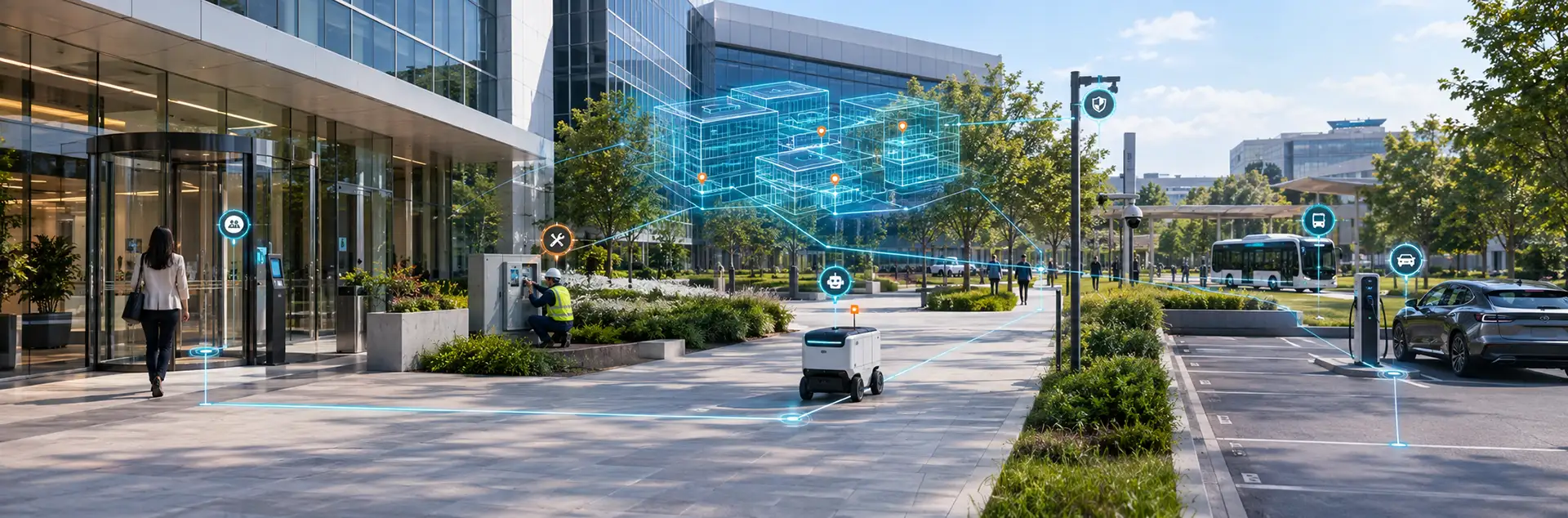
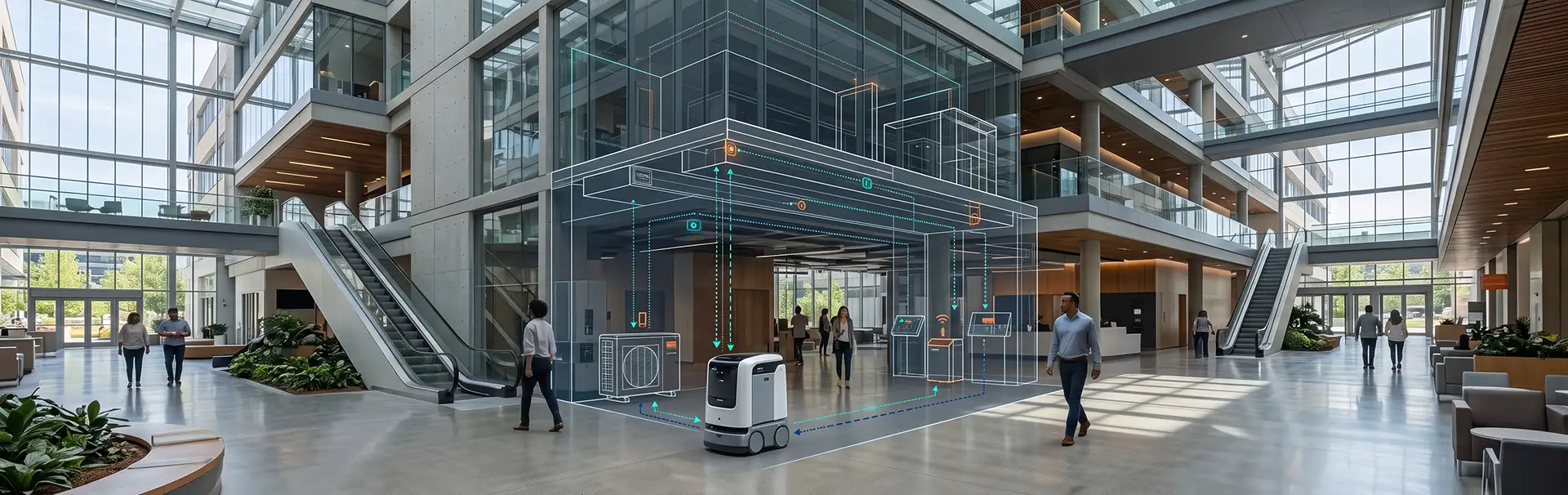
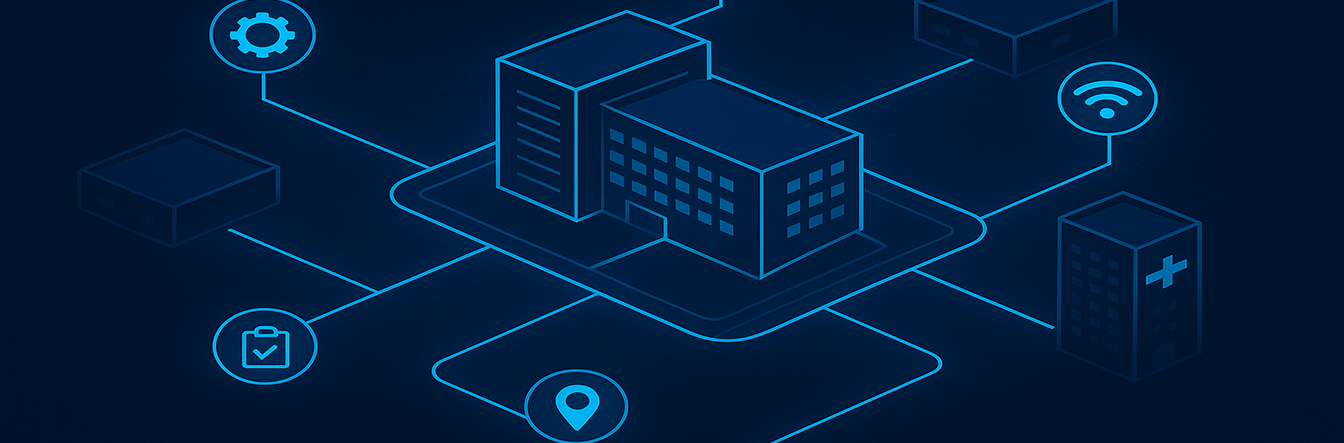
A digital twin can serve as a shared operational model that connects physical and digital systems through a common understanding of space and activity. It can make physical environments understandable not only to people, but also to software systems, automation platforms, and intelligent machines.
Rather than replacing existing systems, the digital twin provides context that can be shared across them.
Service management platforms, mobility solutions, security systems, parking applications, workplace technologies, and future AI-driven systems can continue doing what they do best while operating within a more consistent understanding of the environment around them.
In that sense, a digital twin becomes less of an application and more of a connective layer.
Looking Ahead
The rise of Physical AI is increasing the importance of context. Digital twins can help make physical environments understandable to machines. Open ecosystems help ensure that understanding can be shared across the many systems that operate within those environments.
Together, they create a foundation for a future in which people, systems, applications, automation, and AI can operate from a common understanding of the physical world.
As intelligent environments continue to evolve, the ability to establish that common language may become one of the most valuable capabilities of all.