Improve campus awareness, visitor assistance, and student experiences.


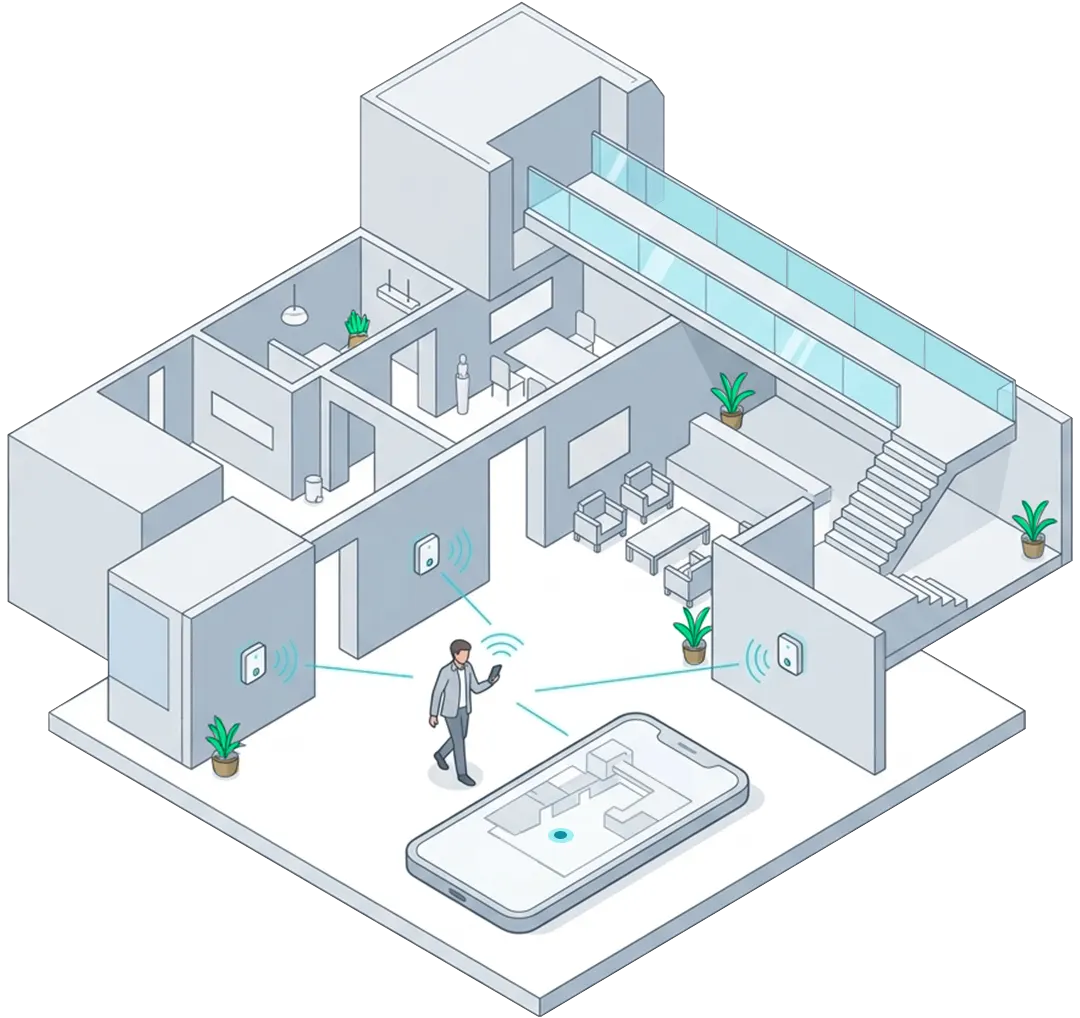
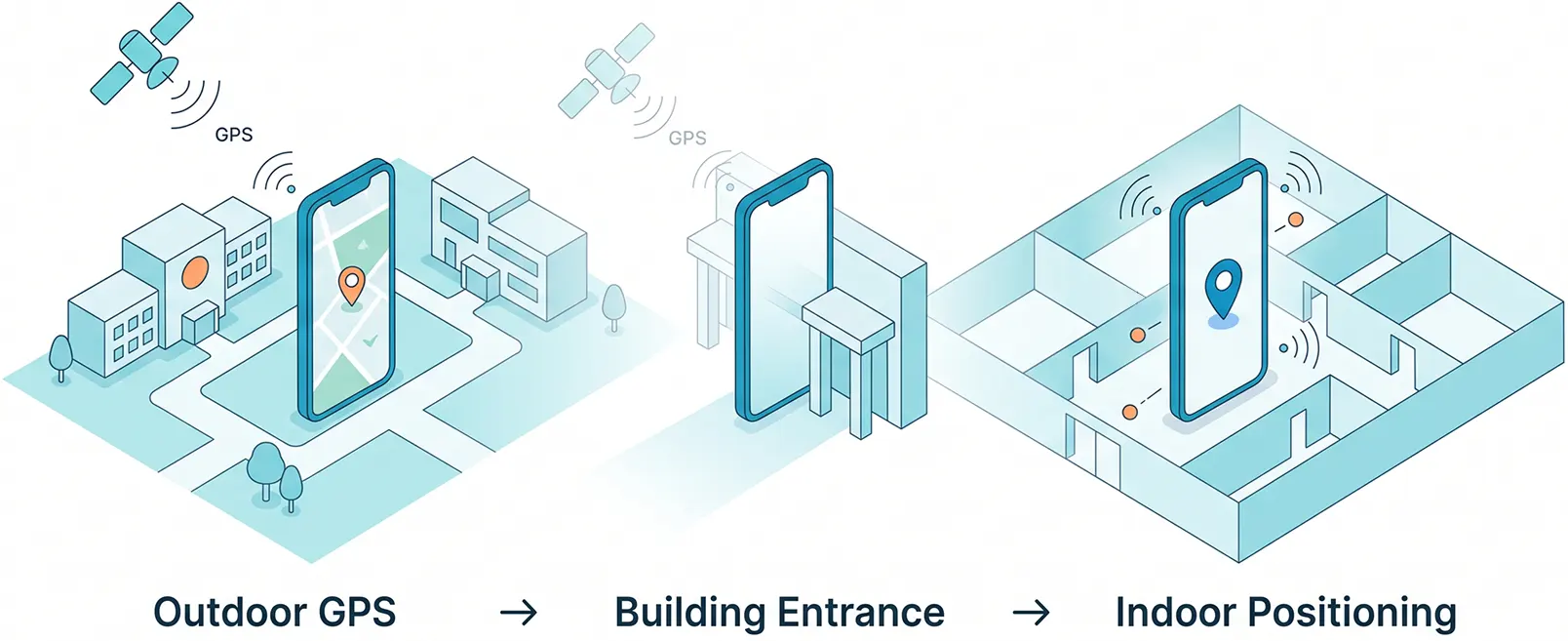
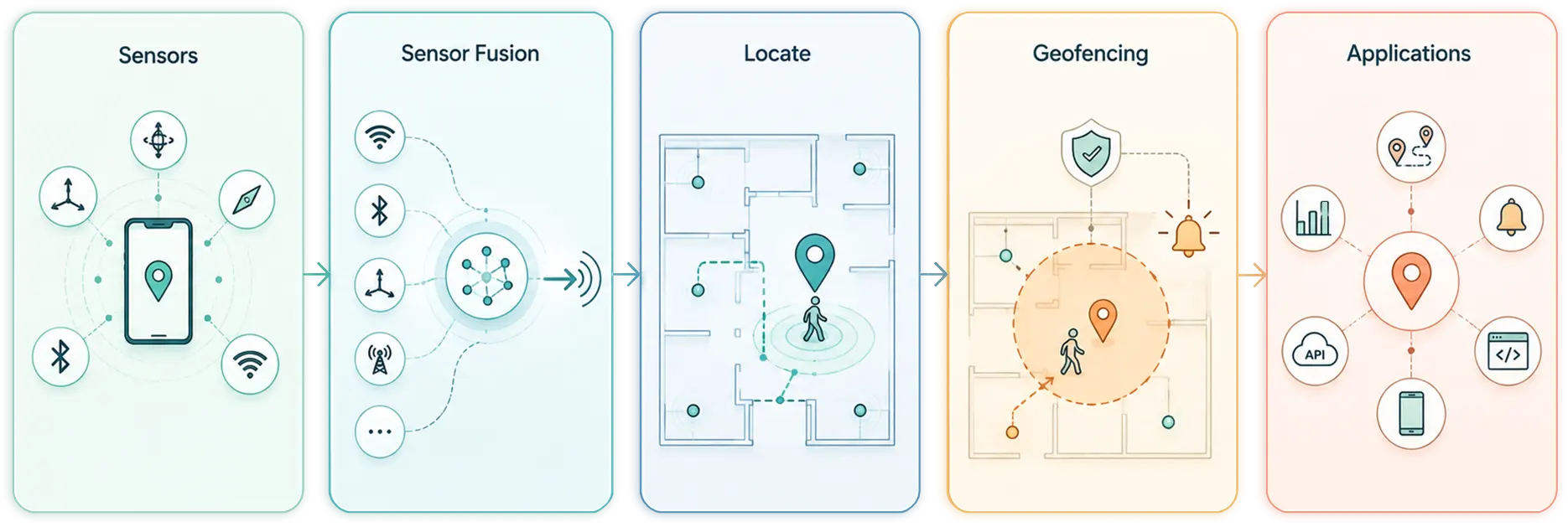
Vicinia Indoor Positioning is an enterprise indoor positioning system that delivers accurate indoor location awareness on smartphones and mobile devices across complex indoor environments. Extending the familiar outdoor GPS experience into buildings and facilities, it uses proprietary sensor fusion positioning and advanced indoor location services to determine where users are when satellite-based technologies become unreliable, supporting indoor localization, geofencing, and location-aware applications.








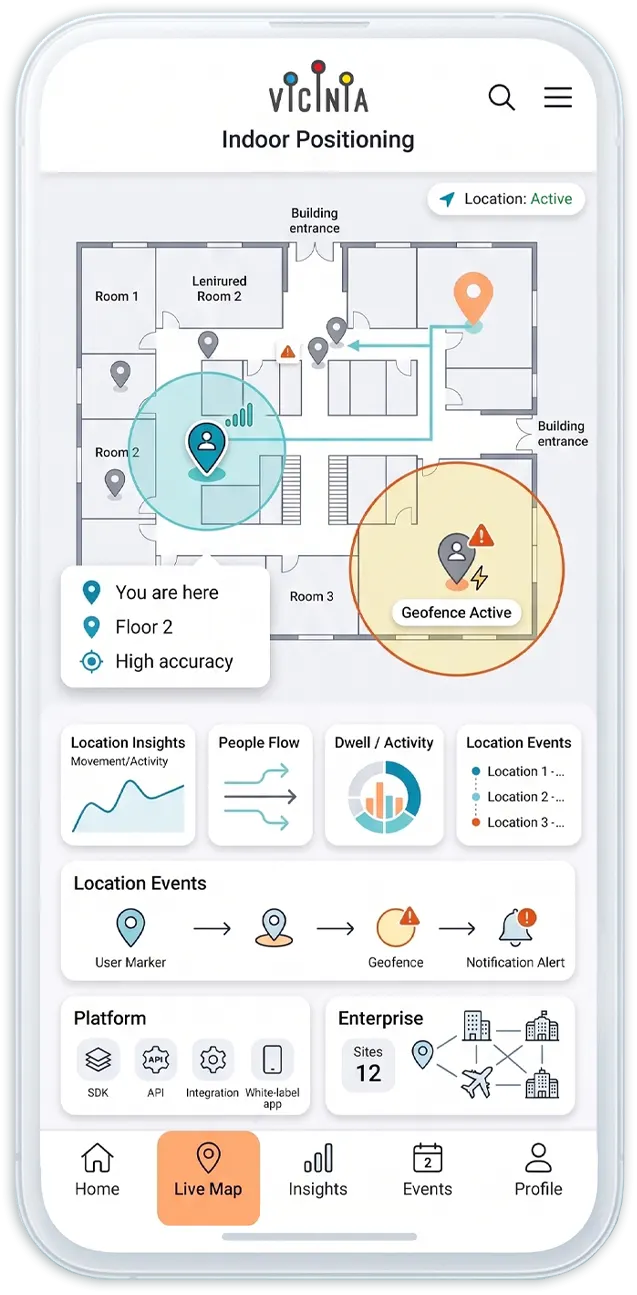
Determine Location
Identify mobile users accurately across complex indoor environments.
Trigger Geofences
Activate alerts, workflows, and context-aware experiences automatically.
Improve Accuracy
Effective accuracy using proprietary advanced sensor fusion positioning with practical economics.
Generate Insights
Transform location data into actionable location analytics, intelligence, and awareness.
Enable Awareness
Support geofencing, assistance, safety workflows, and location-aware experiences.
Support Developers
Accelerate deployment through SDKs and developer-friendly APIs.
Launch Quickly
Deploy through white-label applications or existing mobile apps.
Scale Enterprise
Support multi-site facilities, campuses, airports, and venue portfolios.
Finding your location inside a large facility can be difficult, especially when GPS signals become unreliable. Visitors need confidence in unfamiliar environments, while organizations need better ways to support safety, communication, and engagement. Vicinia Indoor Positioning helps people understand where they are while enabling organizations to deliver indoor location services, location-aware experiences, geofencing, and operational awareness across campuses, facilities, and venues.
Delivers one-to-two-meter positioning precision with practical enterprise economics.
Extends location awareness directly through smartphones and existing applications.

Integrates seamlessly with Vicinia Maps, Ways, Assets, and Spaces.
Available through SDKs, APIs, and white-label mobile applications.
Organizations implementing modern indoor positioning systems commonly achieve measurable improvements in visitor experiences, operational responsiveness, location-based engagement, and service effectiveness.


"Vicinia Indoor Positioning gave us reliable indoor location awareness across our facilities, helping improve visitor confidence, operational responsiveness, and location-based engagement through a single scalable platform."

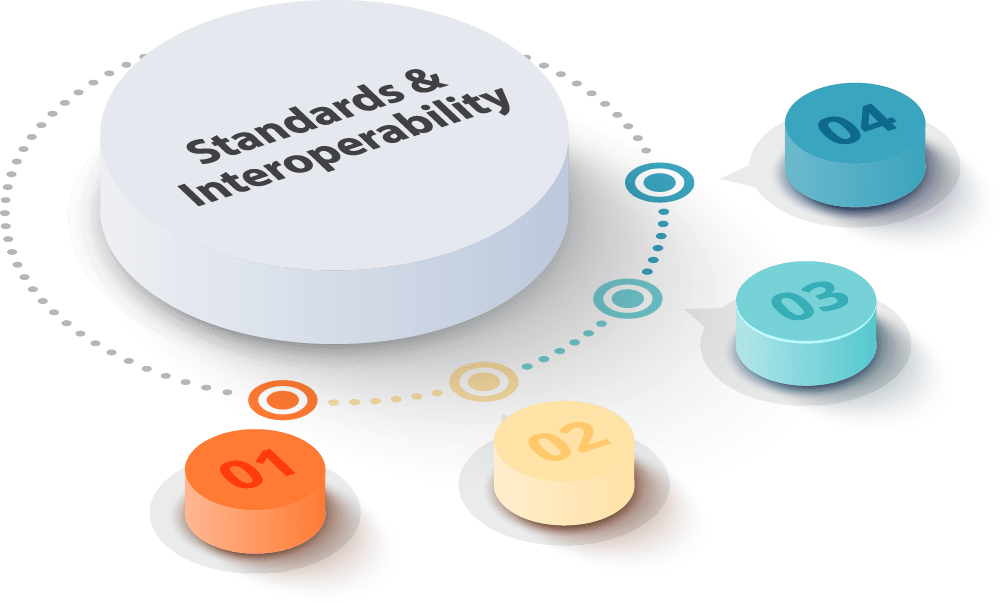
Open Architecture
Extensible platform supporting future systems and integrations.

Mobile SDKs
Native iOS and Android SDKs accelerate application integration.

Developer APIs
Secure APIs expose positioning data to enterprise applications.

Secure Deployment
Supports cloud, hybrid, and enterprise deployment environments.
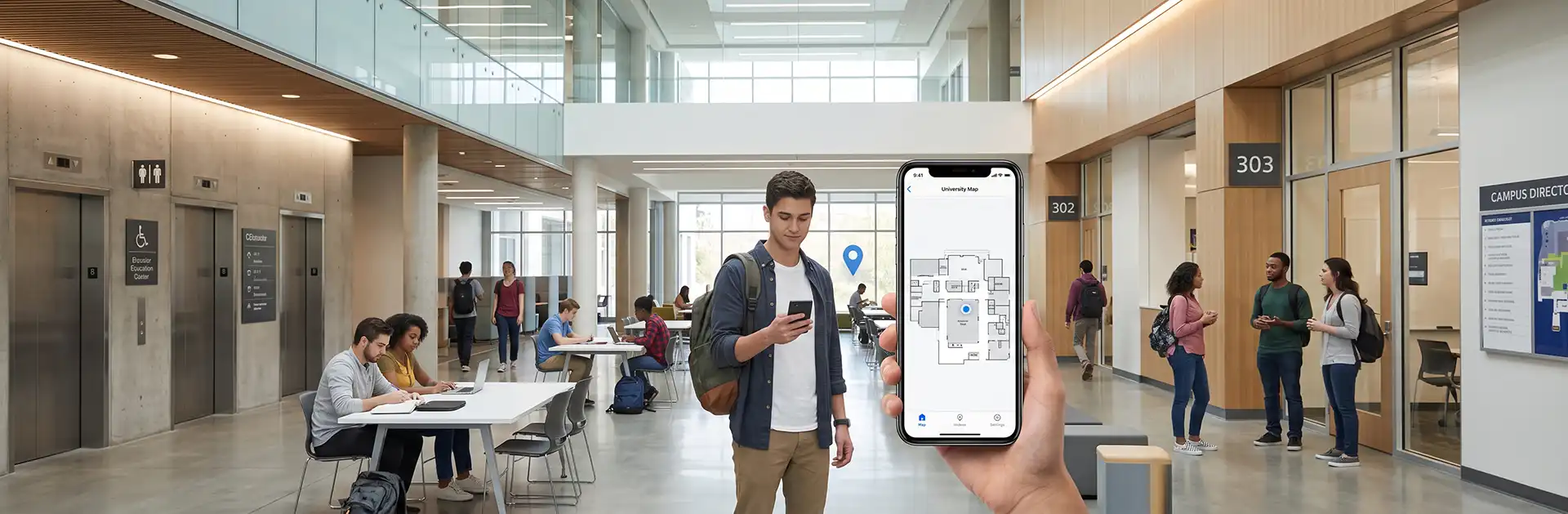
Improve campus awareness, visitor assistance, and student experiences.
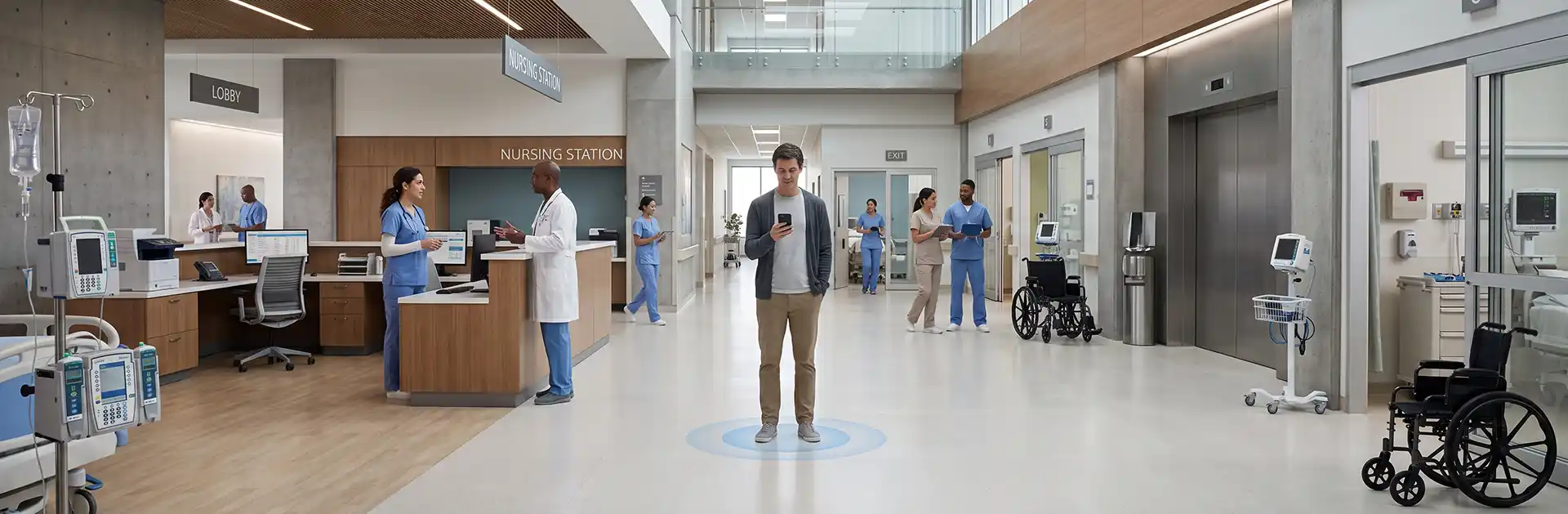
Support patient journeys, safety initiatives, and staff coordination.
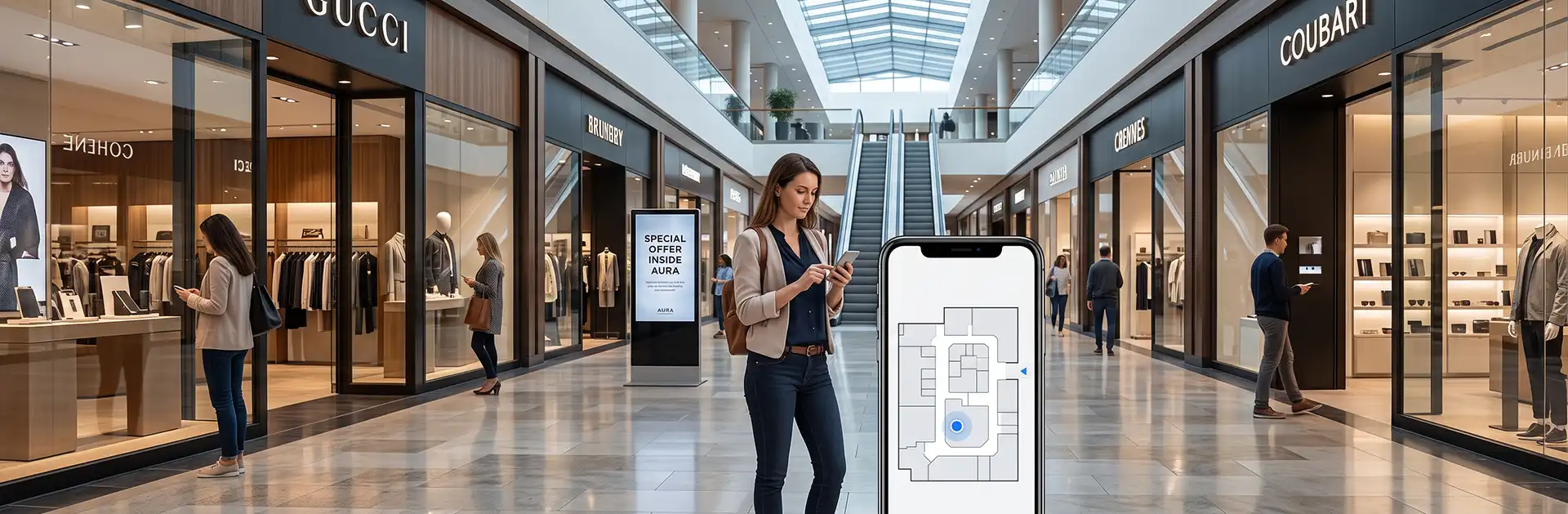
Enable location-aware engagement, promotions, and customer experiences.

Enhance workplace services and employee location awareness.
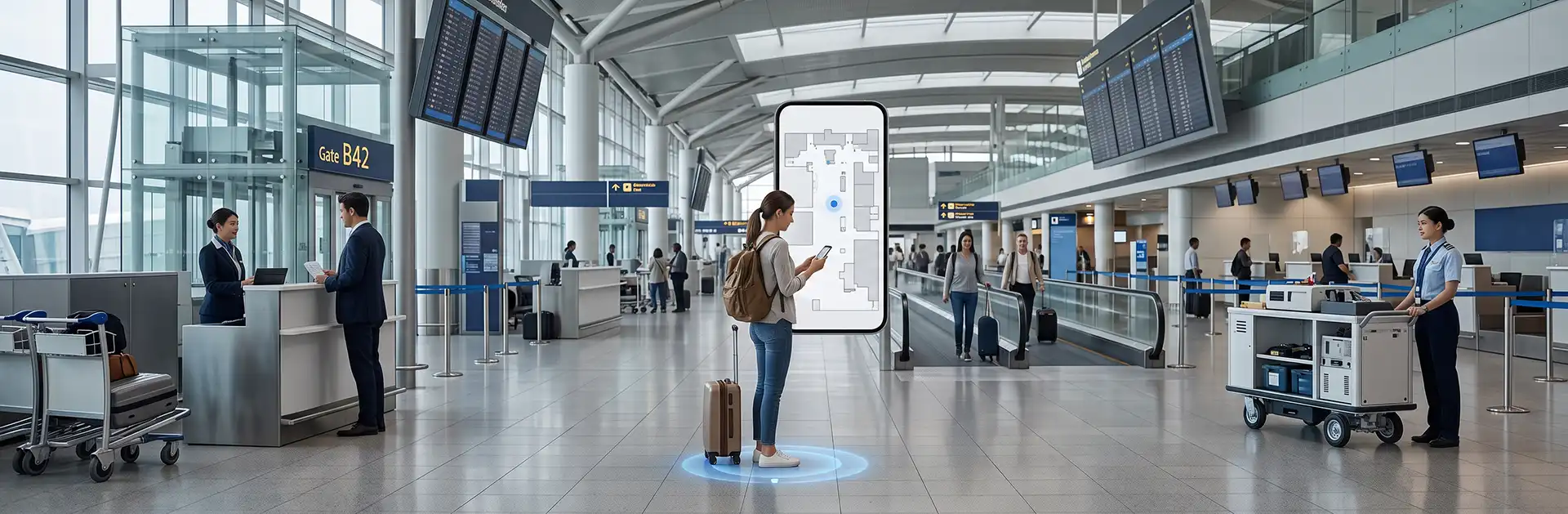
Improve traveler assistance, terminal awareness, and operational visibility.

Help attendees understand venue layouts and discover relevant experiences.

An indoor positioning system determines the location of people or mobile devices inside buildings where GPS accuracy is limited or unavailable.
Indoor positioning uses sensor fusion positioning techniques that combine multiple signals and sensors to determine precise location within facilities.
Vicinia Indoor Positioning typically delivers one-to-two-meter indoor location accuracy, balancing precision, deployment practicality, and enterprise scalability.
GPS performs well outdoors but often loses accuracy inside buildings. Vicinia Indoor Positioning extends the familiar GPS experience into indoor environments, maintaining location awareness on mobile devices when satellite signals become unreliable.
Indoor location services use positioning data to enable geofencing, alerts, operational workflows, and location-aware experiences.
Yes. Vicinia offers indoor positioning SDKs that allow organizations to integrate positioning capabilities directly into existing mobile applications.
Yes. Vicinia supports both iOS indoor positioning and Android indoor positioning deployments through SDKs, APIs, and developer tools.
Yes. Organizations can use Vicinia’s white-label mobile application for faster deployment and reduced development effort.
Indoor geolocation is the process of determining where a person or mobile device is located inside a building when GPS alone cannot provide reliable positioning. Indoor geolocation is a core capability of modern indoor positioning systems and indoor location services.
Modern indoor positioning technology combines multiple signals and sensors to determine location inside buildings. Vicinia uses sensor fusion positioning and advanced indoor location technology to provide accurate indoor location awareness across complex environments.
Yes. Indoor positioning data can support location analytics, indoor location intelligence, and operational awareness initiatives. Organizations use location insights for safety, visitor engagement, service optimization, and location-aware experiences. For dedicated occupancy analytics and utilization reporting, Vicinia Indoor Positioning can be complemented by Vicinia Spaces.
Location intelligence software uses indoor positioning data to create operational awareness, geofencing actions, and context-aware experiences. As a location intelligence platform, Vicinia helps organizations transform real-time location data into actionable information that supports decision-making, engagement, and service delivery.

Digital interactive maps enabling navigation, wayfinding, and spatial understanding across indoor and outdoor environments. Â

Space management, utilization tracking, availability, and booking across buildings, campuses, facilities, and outdoor spaces.

Asset tracking and real time location systems enabling visibility, status, and movement of assets.

Wayfinding and routing software guiding people efficiently across indoor and outdoor environments.Â
Vicinia creates
Get the lastest insights
Help visitors, employees, patients, travelers, and attendees understand where they are while enabling location-aware services, geofencing, safety workflows, and operational awareness.
Tell us a bit about your needs and we’ll show you
how Vicinia can make a difference for your organization.
"*" indicates required fields
Choose the insights you want to receive.
Have questions? Our team is here to help you explore the right solution for your needs.
"*" indicates required fields