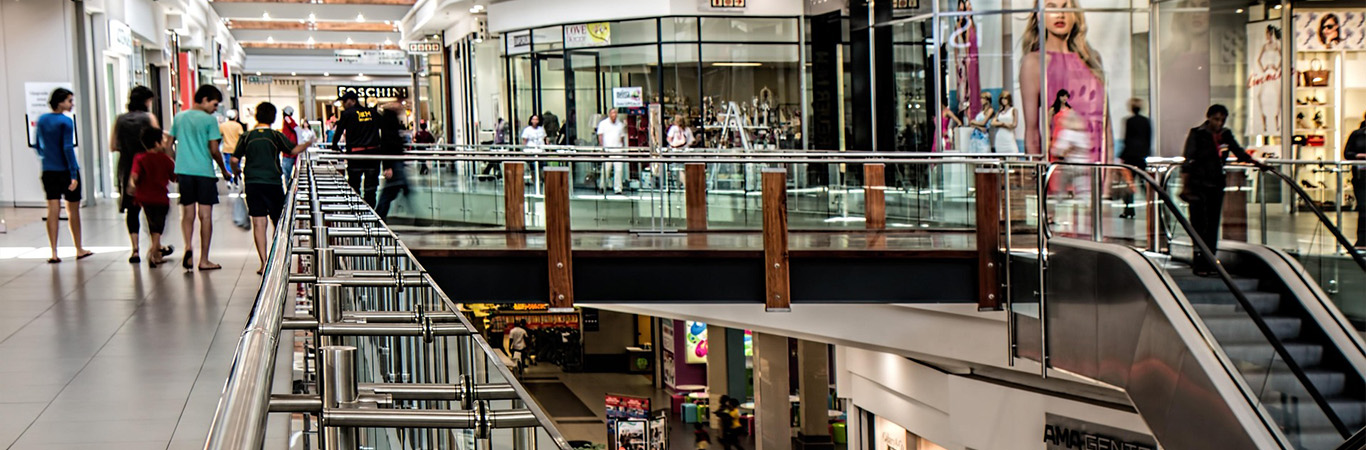

Navigating massive retail environments can be a frustrating experience for shoppers, leading to abandoned carts and lost revenue. Indoor positioning systems (IPS) are the perfect tool for modern retailers looking to eliminate these friction points. Supermarkets, sprawling department stores, specialty shops, convenience stores, and massive discount outlets can all significantly benefit from leveraging advanced indoor positioning software to improve customer engagement and ensure shoppers keep coming back.
As the retail landscape becomes increasingly competitive, relying on static signage is no longer sufficient. Facility managers and IT directors must look toward smart, scalable digital solutions. Here are a few powerful ways the system can be deployed to transform your retail operations.
Indoor Positioning Systems in Practice
Improved Navigation and Customer Engagement
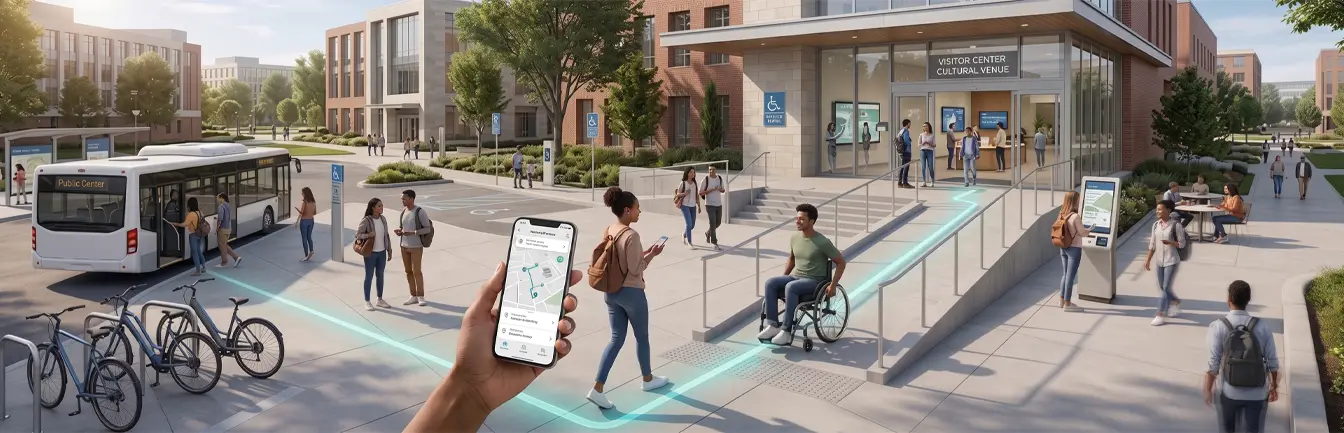
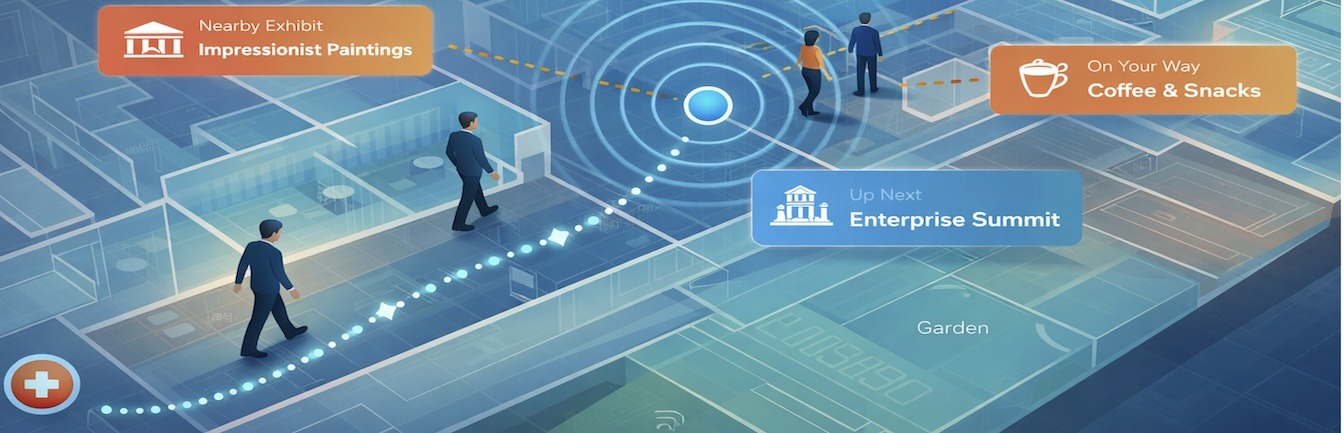
First and foremost, customers want to find exactly what they are looking for in the shortest time possible. Indoor positioning systems can guarantee that seamless experience by guiding shoppers directly to specific products, available checkout lines, emergency exits, bathrooms, and their cars in massive parking lots. For large-scale stores with multiple floors and highly complex layouts, the real-time updates provided by an IPS offer invaluable, turn-by-turn direction.
Furthermore, these intelligent indoor positioning systems can actively trigger nearby digital signage and interactive displays to offer hyper-relevant product information, personalized recommendations, and limited-time special deals as the shopper walks by. Progressive stores can also gamify the shopping experience using location-based games that encourage customers to explore the entire shop and earn rewards, drastically increasing their dwell time.
Seamless and Efficient Checkout
Long lines are the enemy of retail customer satisfaction. An IPS actively monitors queues in retail stores in real time to direct clients to less crowded checkout stations. Furthermore, this technology can be seamlessly integrated into a shopper’s smartphone app to help customers utilize self-checkout features, allowing them to bypass traditional queues entirely.
Enhanced Inventory Management
Your retail staff should not need to run around constantly just to monitor inventory levels on the floor. Routine, time-consuming tasks like that can easily be delegated to indoor positioning systems configured to report whenever specific shelf supplies are running low.
You can turbo-charge this entire process by integrating your IPS with existing automated inventory management systems (like an ERP) that instantly detect stock shortages and automatically place replenishment orders. According to retail technology experts, improving inventory visibility is one of the most critical steps in modernizing supply chains and preventing lost sales.
Using Analytics to Improve Service
The raw data collected by indoor positioning software can provide incredibly useful, actionable insights into exactly how customers move around your retail space, effectively heat-mapping their favorite spots and high-traffic corridors. Retailers and facility managers can use this precise information to strategically reorganize departments and floors, placing high-margin products exactly where crowds are most likely to pass or linger.
Analytics derived from an IPS can also be used to deeply personalize customer service, automatically sending tailored discount alerts directly to customers’ smartphones based on their current location. For example, retailers can send shoppers push notifications the moment they walk in proximity to a favorited item or a brand they frequently purchase.
Help, Safety, and Staff Allocation
Clients who need immediate help can easily reach out to store staff through indoor positioning apps installed on their phones. This feature comes in incredibly handy when people get lost in massive warehouse stores, accidentally enter restricted staff-only areas, or have a sudden security or medical concern.
Because an IPS operates in real-time, staff can quickly identify the exact location of the distress signal and rush to provide immediate assistance. Additionally, with an IPS, store managers can monitor the real-time positions of staff around the entire store, dynamically assigning them to assist in suddenly overcrowded sections when the need arises.
Implement a Powerful Feedback Loop
Ultimately, the goal of deploying this technology is to meet your customers exactly at their point of need. You must build a resourceful, permission-based feedback loop that gives clients the opportunity to share their preferences and point out operational areas that can be improved.
This feedback can happen in real time directly on your indoor positioning system interface as they shop, or later through automated emails and quick push-notification polls. Retailers can then use this vital information to build robust loyalty programs and further personalize the in-store service for their clients.
If you want to discover how to modernize your infrastructure and boost sales, book a demo to find out more about our comprehensive retail navigation solutions today.