From the beginning, the promise of digital twins was never about creating better pictures of physical environments.
Visualization has always been an important capability, but it was never the destination. The original vision was far more ambitious: to create a living digital representation of a physical environment that could continuously exchange information with the systems, assets, people, and processes operating within it.
At Vicinia, that broader vision has guided our work from the outset. We have long viewed digital twins not as maps, dashboards, or 3D models, but as operational representations of the physical world capable of connecting physical and digital systems through a shared understanding of space and activity.
Beyond Visualization
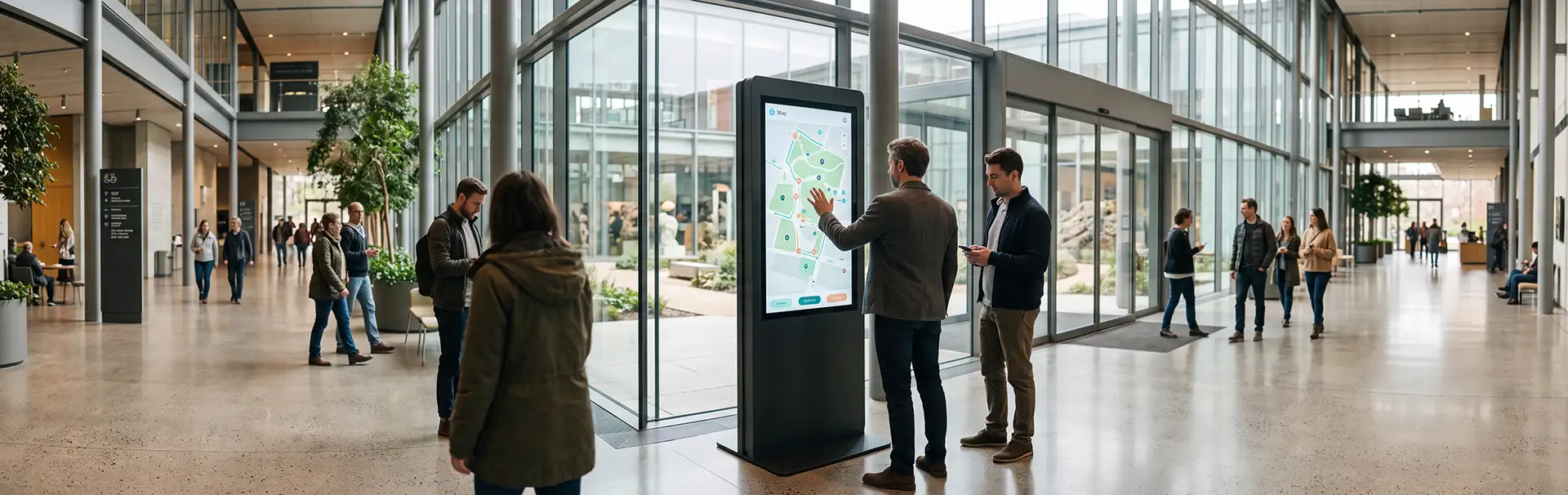
A common misconception is that a digital twin is simply a visual representation of something physical. Interactive maps, floor plans, dashboards, and even sophisticated 3D models can play an important role, but by themselves they do not constitute a digital twin.
These tools help people see information. A true digital twin goes further by maintaining a living relationship with the environment it represents.
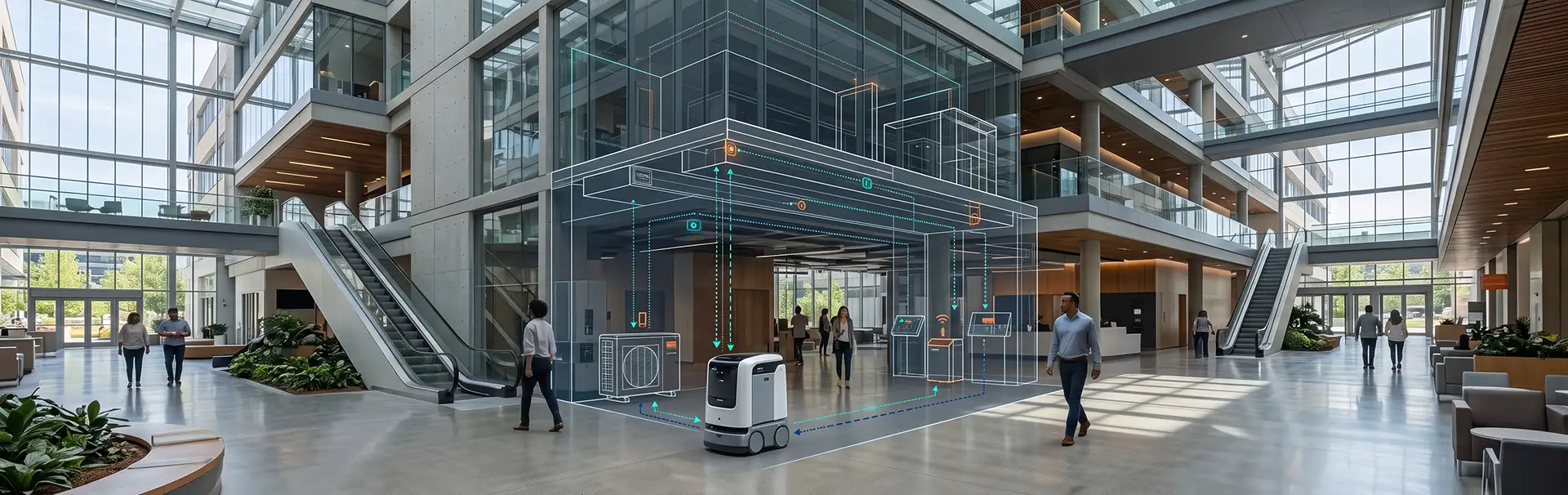
A digital twin creates a structured representation of a physical environment and continuously incorporates information about its state, activity, and operation. Buildings, spaces, assets, infrastructure, routes, services, and operational conditions become part of a common model that evolves as the environment changes.
The goal is not merely to observe the physical world. The goal is to understand it, manage it, and interact with it.
The Importance of a Two-Way Relationship
What distinguishes a digital twin is its connection to reality.
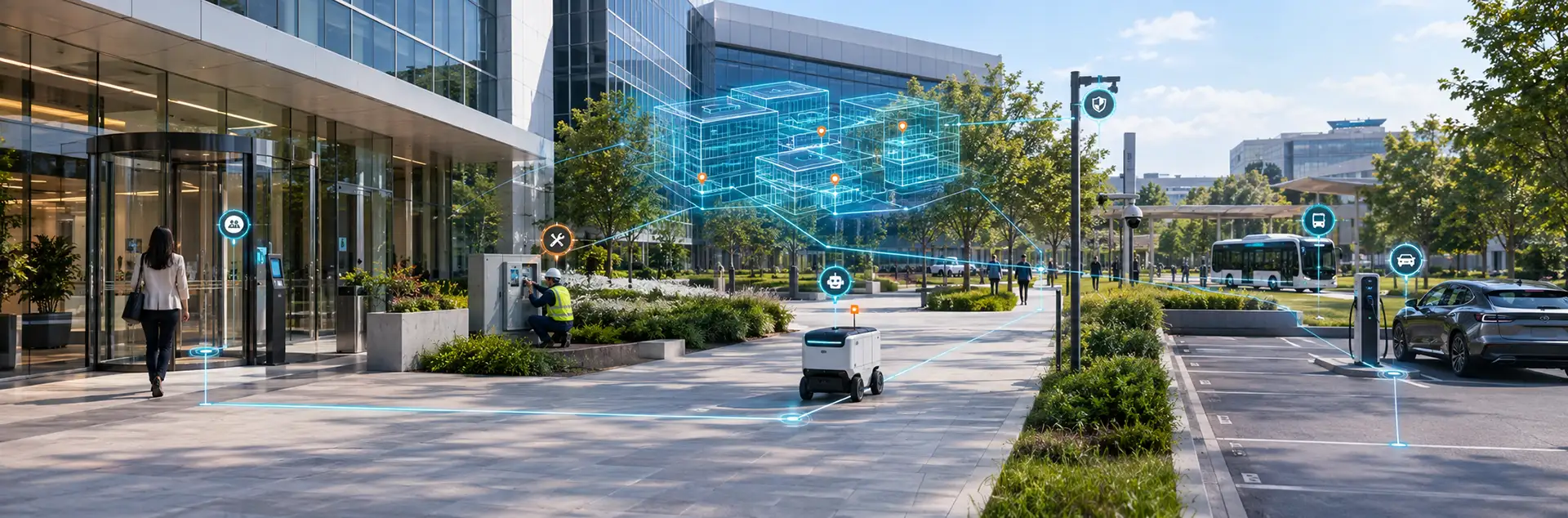
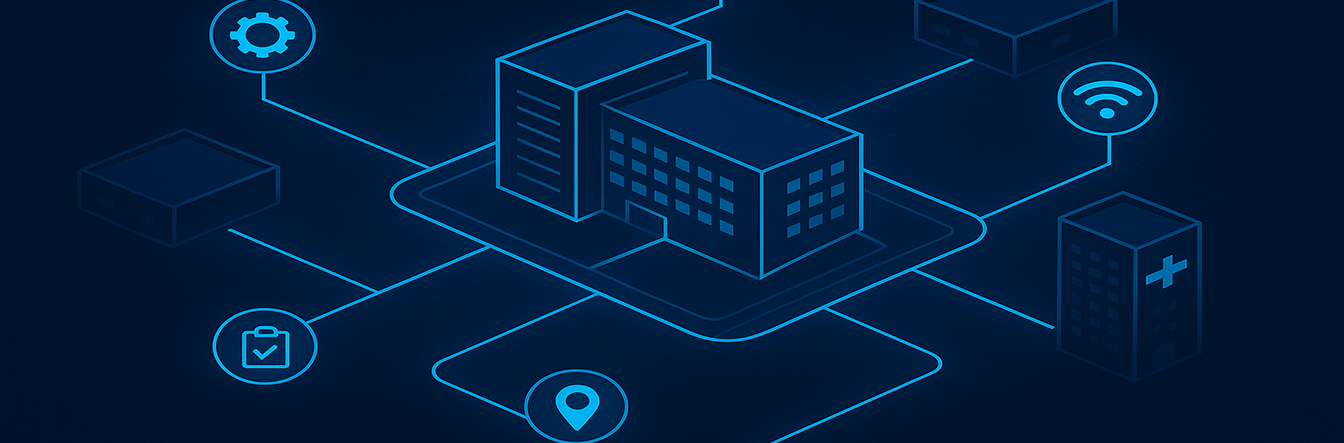
Information flows from the physical world into the digital twin through sensors, operational systems, enterprise applications, connected devices, and human activity. As conditions change, the digital twin changes with them.
Equally important, information and actions can flow in the opposite direction. Workflows can be initiated, services can be updated, communications can be delivered, and operational decisions can influence how the physical environment functions.
This bidirectional relationship transforms a digital representation into a living operational system.
A digital twin is not a snapshot. It is an active participant in the ongoing interaction between physical and digital worlds.
Creating a Shared Understanding
Modern environments are increasingly complex.
Maps often reside in one system, assets in another, occupancy information somewhere else, and operational workflows in yet another application. As organizations grow, information becomes fragmented across departments, platforms, and technologies.
Digital twins provide a shared operational model that brings these elements together.
Spaces, routes, assets, infrastructure, services, and activities can all be represented within a common context. People gain a more complete understanding of their environment, while applications and software systems can operate using the same shared representation.
In effect, digital twins help make physical environments understandable to both people and machines.
Digital Twins and World Models
A growing topic within artificial intelligence is the concept of a world model.
At its simplest, a world model helps an intelligent system understand the environment in which it operates and the relationships within that environment.
Interestingly, many of the ideas now being discussed under concepts such as world models and Physical AI have strong parallels to the vision that originally motivated digital twins.
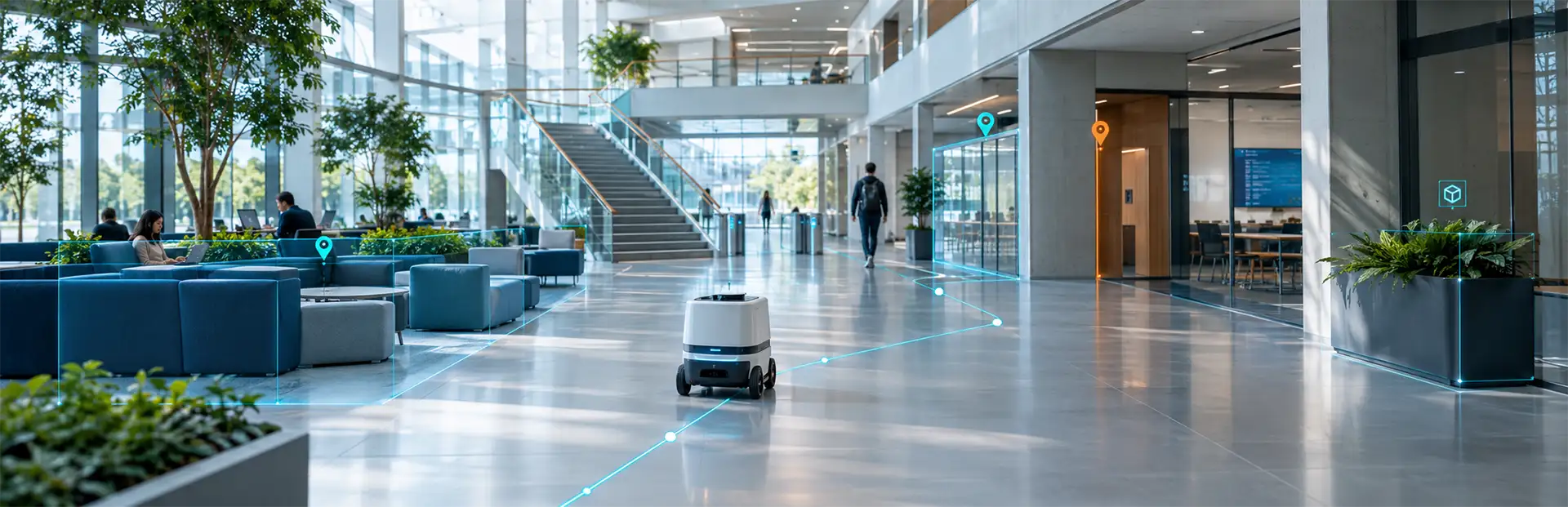
A digital twin can describe spaces, routes, assets, infrastructure, services, and operational conditions. It provides not only a representation of what exists, but an understanding of how the different elements of an environment relate to one another and how that environment changes over time.
In doing so, physical spaces become increasingly machine-readable and machine-understandable.
Looking Ahead
As intelligent systems increasingly interact with physical environments, the ability to create machine-understandable representations of the physical world becomes more valuable.
The same digital twins that help people navigate, manage, and understand environments can also provide context for applications, automation systems, and emerging Physical AI.
By creating a structured understanding of spaces, assets, infrastructure, services, and operational conditions, digital twins help bridge the gap between physical and digital worlds.
As organizations continue connecting those worlds, digital twins can play an increasingly important role in helping both people and machines understand, navigate, and interact with the environments around them.