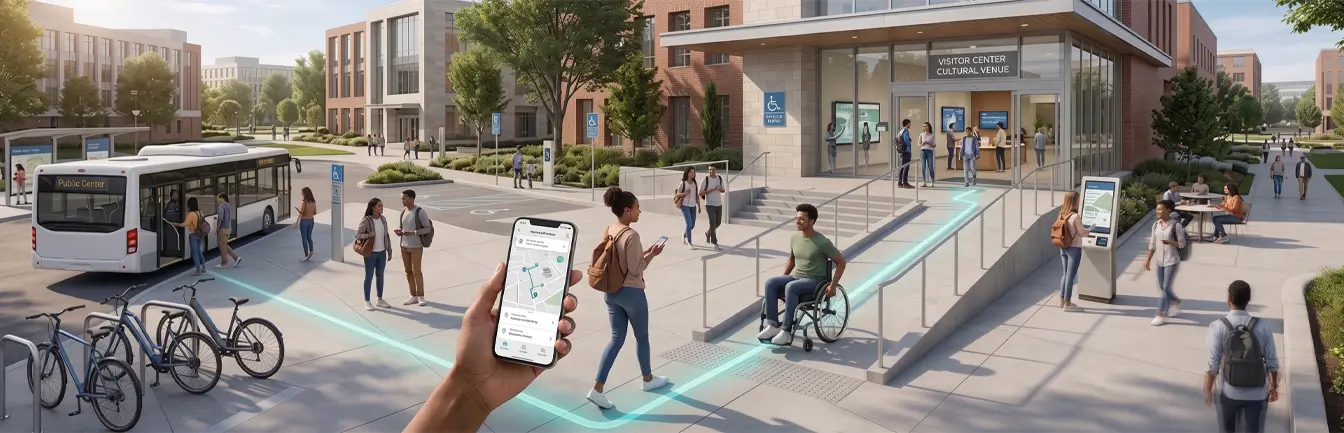
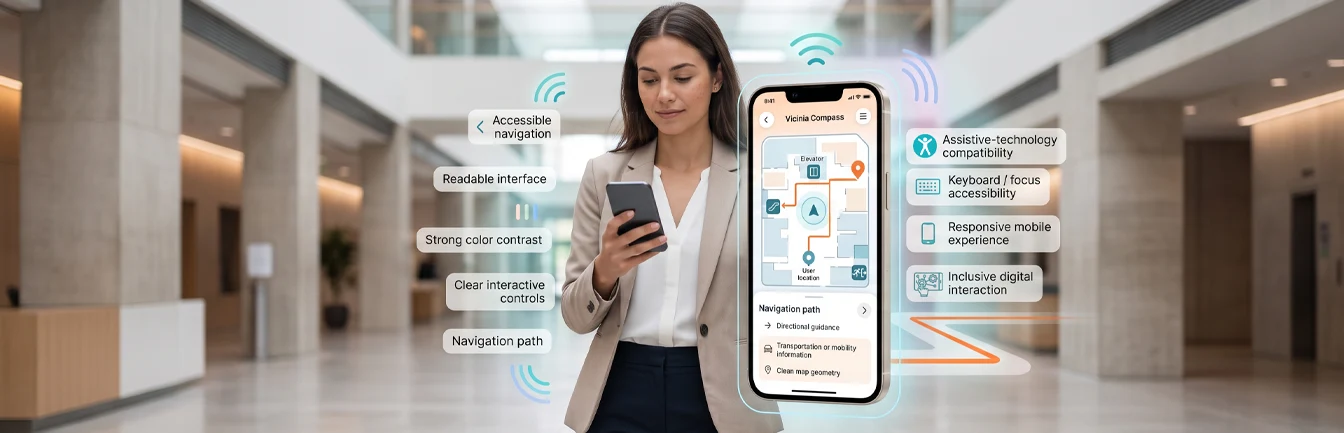
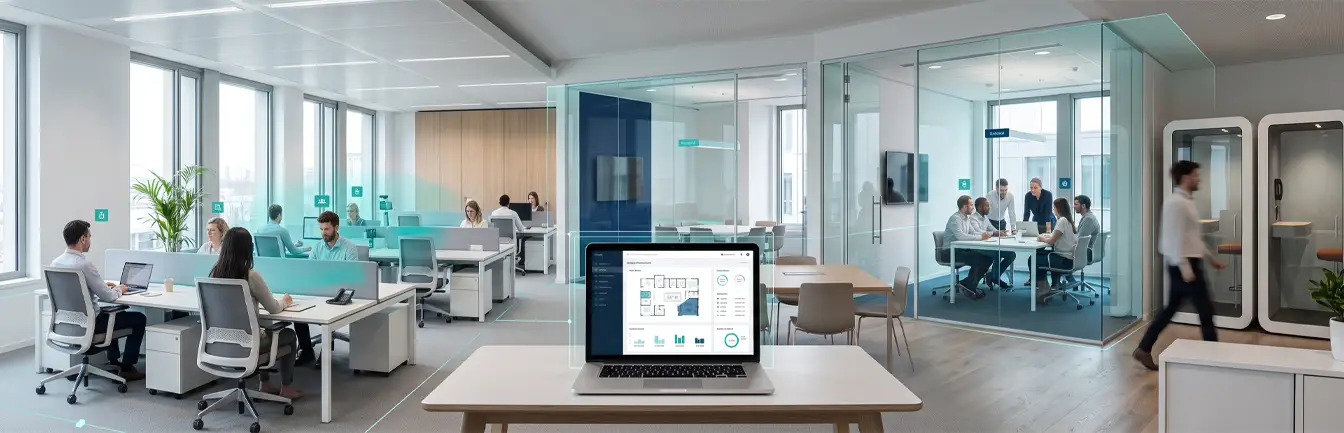
Indoor navigation and digital kiosks are becoming essential tools in the landscape of higher education. These technologies do more than provide directions; they enhance campus efficiency, accessibility, and overall organization, directly addressing the specific pain points of Facilities Managers, Building Managers, and Facilities Coordinators. The integration of high-tech asset tracking, efficient space management, and advanced navigation systems from Vicinia is reshaping how modern campuses operate in an increasingly digital world.
1. Streamlining Daily Operations with Indoor Navigation Tools
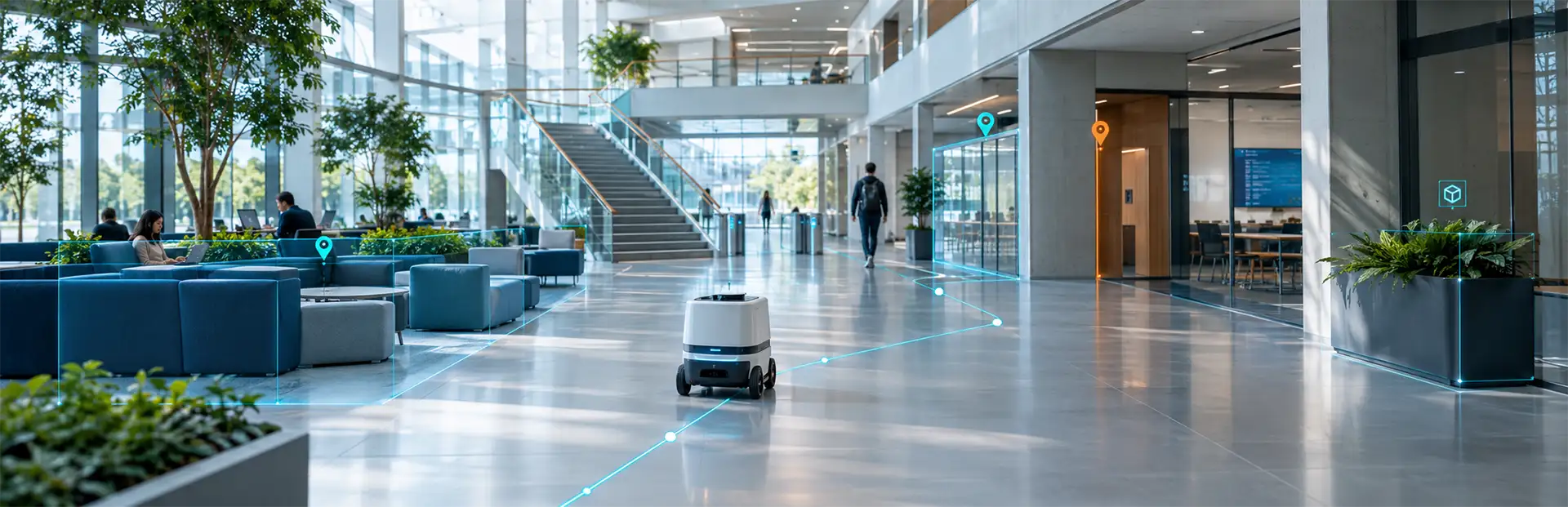
Daily operations in a university setting involve thousands of moving parts. Indoor navigation systems provide a centralized platform that acts as the digital nervous system for campus operations:
- Facilities Managers: These professionals can now access real-time data on traffic patterns and occupancy to allocate resources where they are needed most. By integrating asset tracking tools into the Vicinia interface, managers can quickly locate tracked assets, monitor their maintenance status, and schedule timely repairs. This proactive approach significantly reduces costs associated with delayed upkeep and equipment downtime.
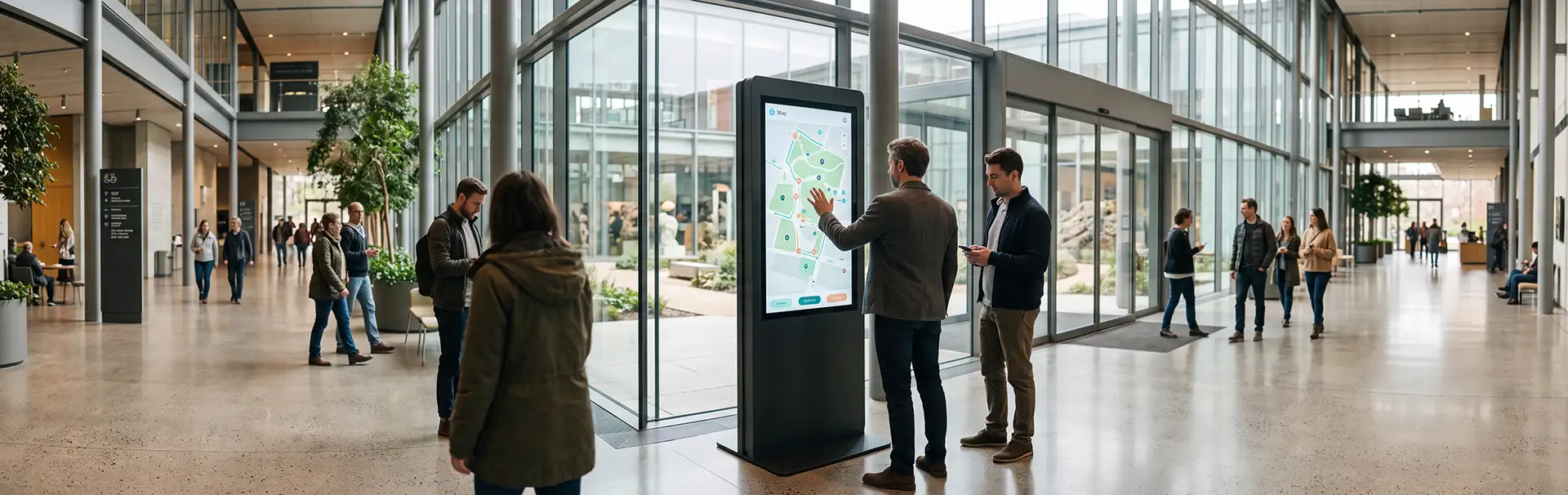
- Building Managers: Navigation tools allow for the monitoring of specific building zones. This helps in directing staff or visitors effectively during peak usage times, such as between classes. Kiosks with integrated maps help identify available rooms instantly, streamlining complex space assignments on the fly.
- Facilities Coordinators: Guiding students and staff to the right departments is a primary responsibility. By providing precise navigation to specific rooms or administrative areas via digital kiosks, coordinators can minimize disruptions and improve general campus efficiency.
2. Enhanced Emergency Response and Safety Measures
Safety is a top priority for any educational institution. Real-time data from digital kiosks significantly improve safety protocols and emergency readiness:
- Facilities Managers: During a crisis, managers use live building maps to coordinate evacuations. Having a visual representation of the floor plan allows for better communication with first responders.
- Building Managers: In the event of a localized issue, such as a leak or maintenance hazard, managers can push notifications to kiosks to communicate temporary closures or emergency detours.
- Facilities Coordinators: These tools allow coordinators to inform users of safety protocols in real-time, directing them to designated safe areas or assembly points through clear visual cues.
By providing a clearer overview of building occupancy and asset locations, Vicinia solutions allow for a quicker and more effective response to any emergency situation.
3. Maintenance and Asset Management Simplified
Digital kiosks integrated with asset management systems provide actionable insights that traditional paper logs simply cannot match:
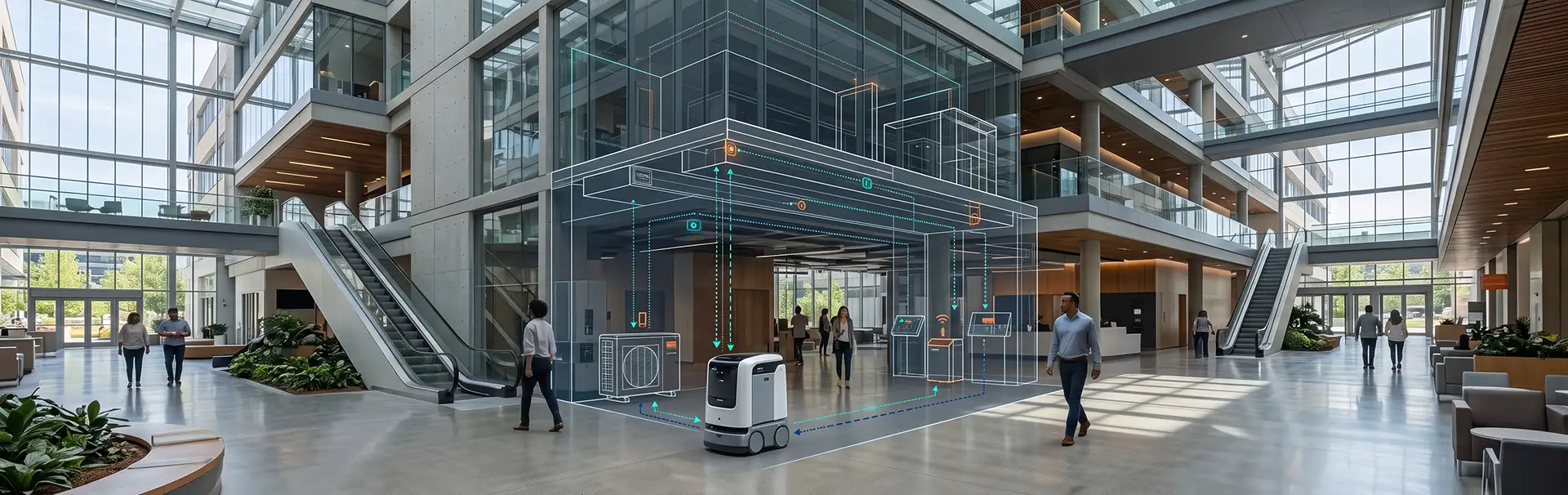
- Facilities Managers: They can view asset locations directly on interactive maps and integrate existing asset management tools for seamless tracking. This feature enables proactive maintenance scheduling, ensuring that equipment is serviced before failure occurs, leading to substantial long-term cost savings.
- Building Managers: The ability to quickly locate tracked equipment like AV carts or laboratory tools ensures that resources are utilized efficiently and reduces time wasted searching for missing items.
- Facilities Coordinators: Kiosks empower users to submit repair requests directly from the terminal. This streamlines workflows for the maintenance team and ensures that building issues are reported and addressed promptly.
4. Efficient Space Management and Navigation
Managing space assignments in a high-density environment is critical for operational success. Vicinia provides the tools necessary to optimize every square foot of the campus:
- Facilities Managers: By analyzing traffic data, managers can optimize space assignments and identify underutilized areas. This prevents overcrowding in popular hubs and improves the utilization of available classroom and office resources.
- Building Managers: As room assignments change each semester, managers can update indoor maps instantly to reflect these changes, ensuring that students and faculty always find the correct location.
- Facilities Coordinators: Dynamic updates on kiosks provide the latest information about room availability. This is particularly useful for ad-hoc study sessions or faculty meetings, ensuring a smooth experience for all staff.
5. Visitor Navigation and Event Management
Campuses often host large-scale events that bring in visitors who are unfamiliar with the layout. Digital kiosks simplify navigation during these busy periods:
- Facilities Managers: Providing digital maps for graduations, conferences, or sporting events minimizes confusion and prevents bottlenecks at entry points.
- Building Managers: Custom event-specific directions can be displayed on kiosks to manage attendee flow, ensuring that visitors reach auditoriums or banquet halls without getting lost.
- Facilities Coordinators: Real-time updates on event schedules and room changes can be pushed to all kiosks simultaneously, ensuring that visitors have the most current information at their fingertips.
6. Data-Driven Campus Improvements
The analytics gathered from indoor navigation systems offer long-term strategic benefits for the entire university administration:
- Facilities Managers: Heatmaps generated by navigation patterns identify high-traffic areas. This data is invaluable when planning future renovations or optimizing furniture layouts to better serve the student body.
- Building Managers: Analytics help prioritize which buildings require upgrades or maintenance based on the intensity of foot traffic and usage frequency.
- Facilities Coordinators: By understanding navigation patterns, coordinators can improve the overall user experience, suggesting changes to signage or kiosk placement to better serve the campus population.
7. Integration with Smart Campus Systems
Indoor navigation tools become even more powerful when they are integrated into a broader smart campus ecosystem:
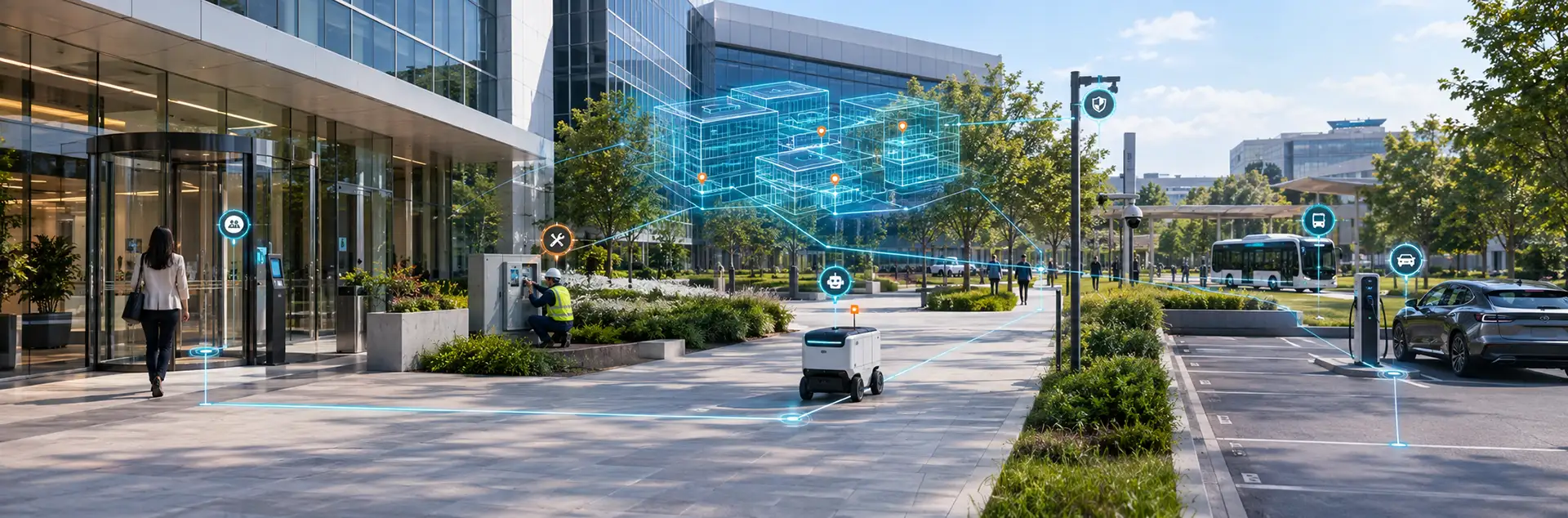
- Facilities Managers: Connecting kiosks to IoT devices allows for live updates on parking availability, shuttle schedules, and even climate control sensors within various buildings.
- Building Managers: Integration with existing asset management tools ensures that the digital twin of the building remains accurate and synchronized with physical inventory.
- Facilities Coordinators: Synchronized updates across all digital touchpoints ensure a cohesive and reliable user experience for everyone on campus, from first-year students to tenured faculty.
8. Conclusion: The Future of Campus Facilities
Indoor navigation powered by digital kiosks is revolutionizing facilities management in higher education. By integrating asset tracking, improving space management, and offering real-time navigation, these tools empower Facilities Managers, Building Managers, and Facilities Coordinators to create smarter, more efficient campuses. Vicinia technology ensures that these professionals have the data they need to achieve operational excellence. Digital kiosks are not just about finding your way—they are about transforming campus operations and enhancing user satisfaction. Explore how these innovations can shape the future of your campus today.