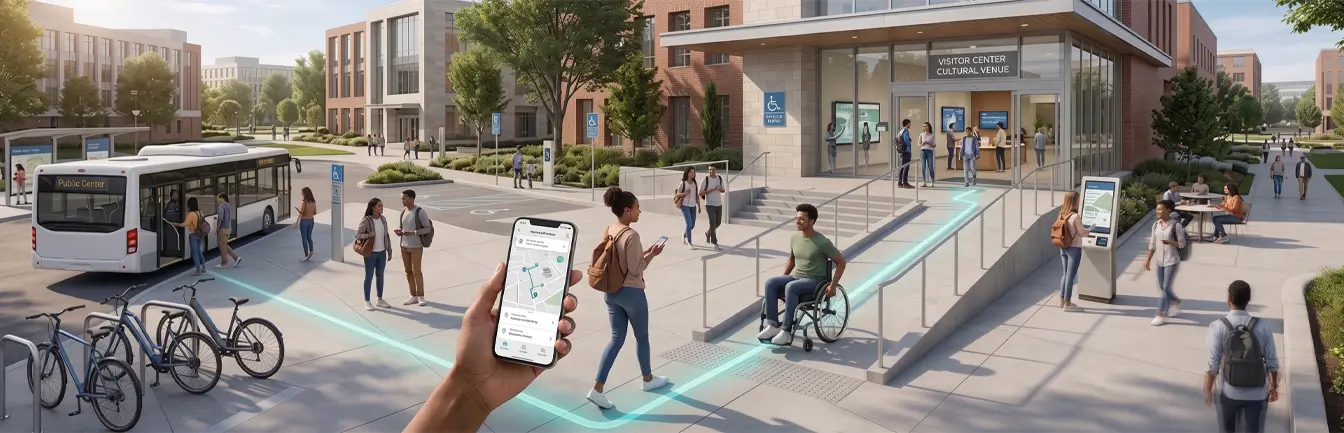
Have you ever walked onto a large university campus and felt overwhelmed by its sheer size? Navigating unfamiliar buildings, finding event locations, or accessing campus resources can be time-consuming and frustrating. The answer to these challenges lies in the implementation of Kiosk Systems in Smart Campus Applications.
These digital tools transform campus experiences by providing interactive wayfinding, event details, and self-service options. As technology advances, these systems have evolved from simple information boards to intelligent, AI-powered assistants that enhance efficiency and convenience. Their integration into campuses worldwide improves student engagement, accessibility, and overall campus management. By leveraging Vicinia technology, institutions can ensure that every visitor and student finds their way with ease.
The Early Days of Campus Kiosks
In the past, campus kiosks were static directories displaying building names and locations. While useful at the time, these basic setups lacked interactivity and real-time updates. Students and visitors often had to rely on printed maps or ask staff for directions, leading to inefficiencies and delays. These legacy systems were often difficult to update, requiring manual changes to physical signage whenever a department moved or a new building was constructed.
Traditional kiosks did not accommodate the dynamic nature of campus life, where events, schedules, and resources frequently change. As a result, many universities sought more adaptable solutions to enhance navigation and accessibility. The transition from static boards to digital screens marked the first step in the modern evolution of campus communication.
The Rise of Smart Kiosks
With the rise of digital transformation, smart kiosks have become an integral part of modern campuses. These advanced systems offer a wide range of benefits that traditional signage simply cannot match:
Interactive Wayfinding
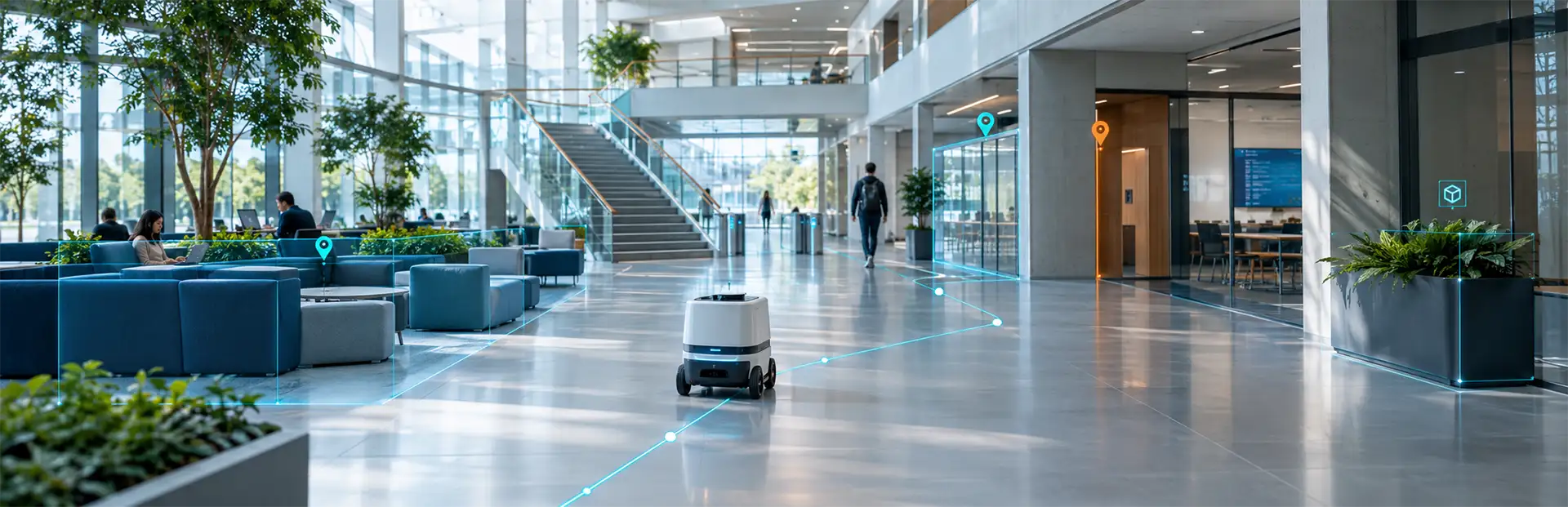
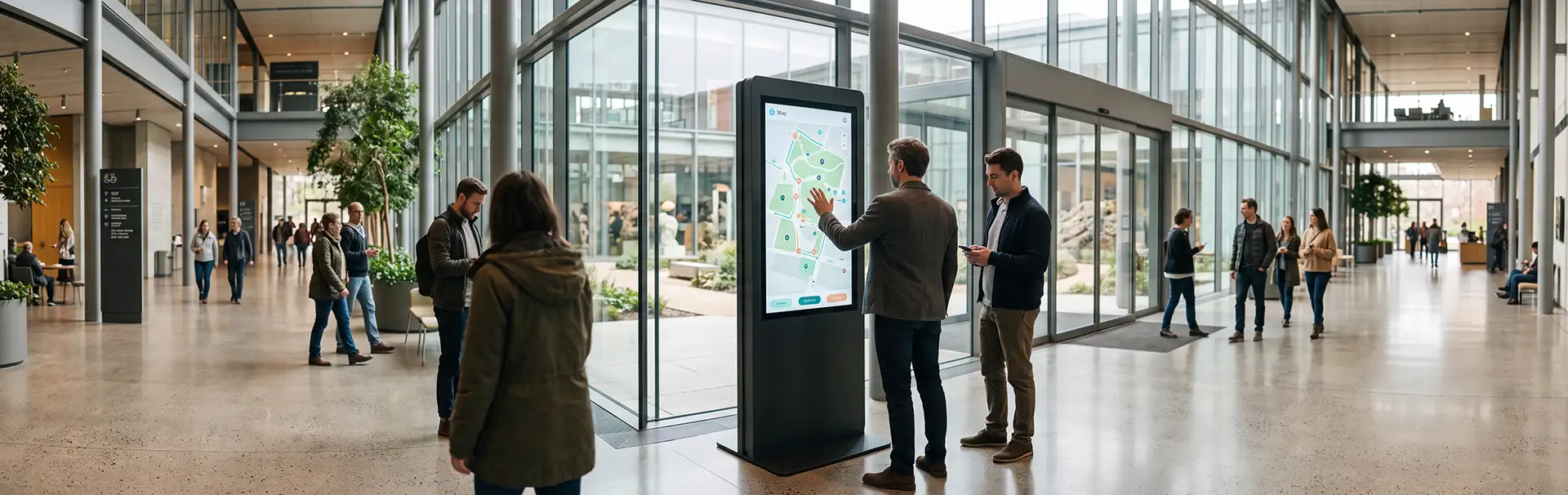
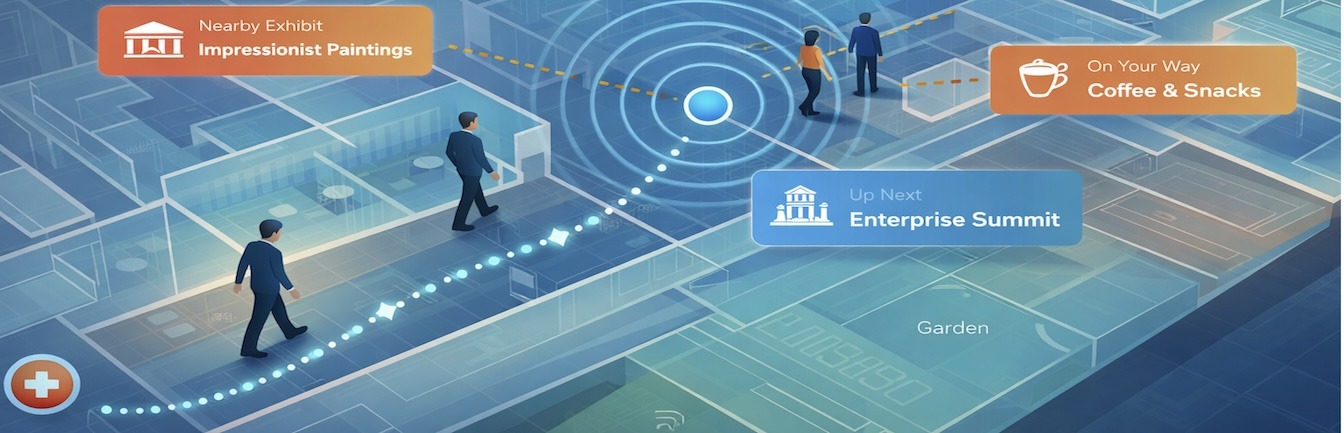
With interactive wayfinding kiosks, users can search for buildings, departments, or events using touchscreens and interactive maps. These systems often integrate indoor positioning software to provide high-accuracy location data. Some kiosks even provide step-by-step navigation similar to GPS, ensuring users reach their destination efficiently without getting lost in complex corridors.
Self-Service Options
From printing documents and registering for events to checking class schedules and paying fees, students can perform essential tasks independently. This minimizes administrative burdens and reduces waiting times at service desks, allowing staff to focus on more complex student needs while the Kiosk Systems in Smart Campus Applications handle routine inquiries.
Real-Time Updates
Live event feeds, emergency alerts, and transportation schedules keep users informed about important campus activities and safety announcements. Digital kiosks ensure students receive timely information without relying on printed notices that can quickly become outdated.
Key Features Enhancing Campus Experiences
Smart kiosks today incorporate cutting-edge features that redefine how students and visitors navigate campuses. These features ensure that the technology is not just a screen, but a comprehensive service hub.
1. AI and Voice Recognition
Many kiosks now include voice assistants that provide hands-free interaction, catering to students with different accessibility needs. AI algorithms can also help predict user needs, offering suggestions for nearby dining options or upcoming lectures based on the time of day.
2. Mobile Integration
QR codes allow users to send directions, event details, and other campus information directly to their smartphones. This ensures continuous access even after leaving the kiosk, creating a seamless transition from the physical device to the user’s personal mobile device.
3. Multi-Language Support
International students and visitors benefit from real-time translation features, making campus navigation and services more inclusive. By supporting multiple languages, Vicinia kiosks help foster a welcoming environment for a diverse global student body.
4. Accessibility Standards
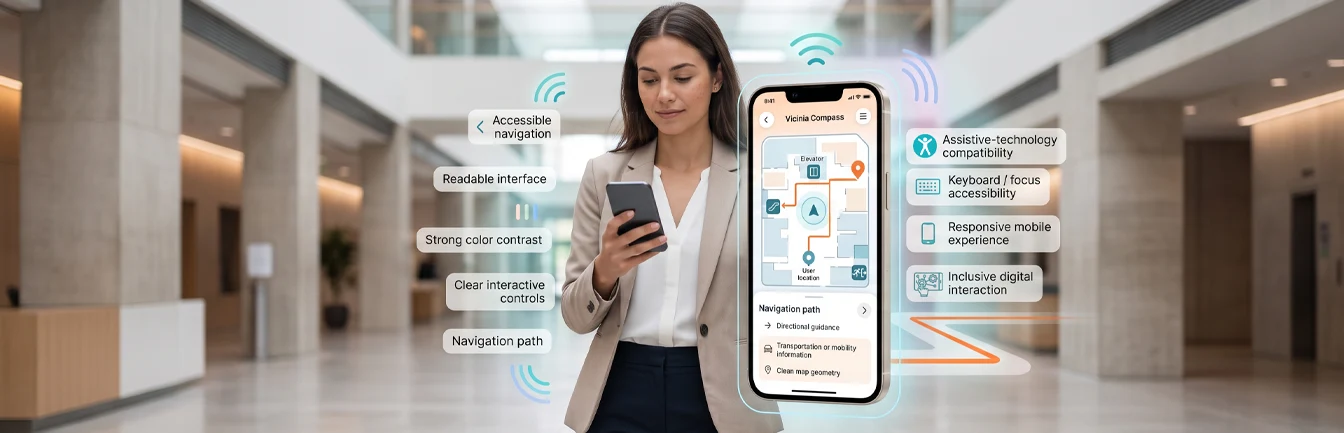
Modern kiosks also comply with ADA standards, incorporating audio guidance, height-adjustable interfaces, and braille support to accommodate individuals with disabilities. Ensuring equal access to information is a cornerstone of modern campus planning.
The Future of Kiosk Systems in Smart Campus Applications
The evolution of kiosk technology continues to move toward even more integrated and intelligent solutions. Future campuses will likely see innovations such as:
- Facial Recognition for Personalized Services
Enhancing security and personalization by tailoring information and recommendations based on user profiles. This can help students quickly access their personalized schedules or library records. - IoT Connectivity
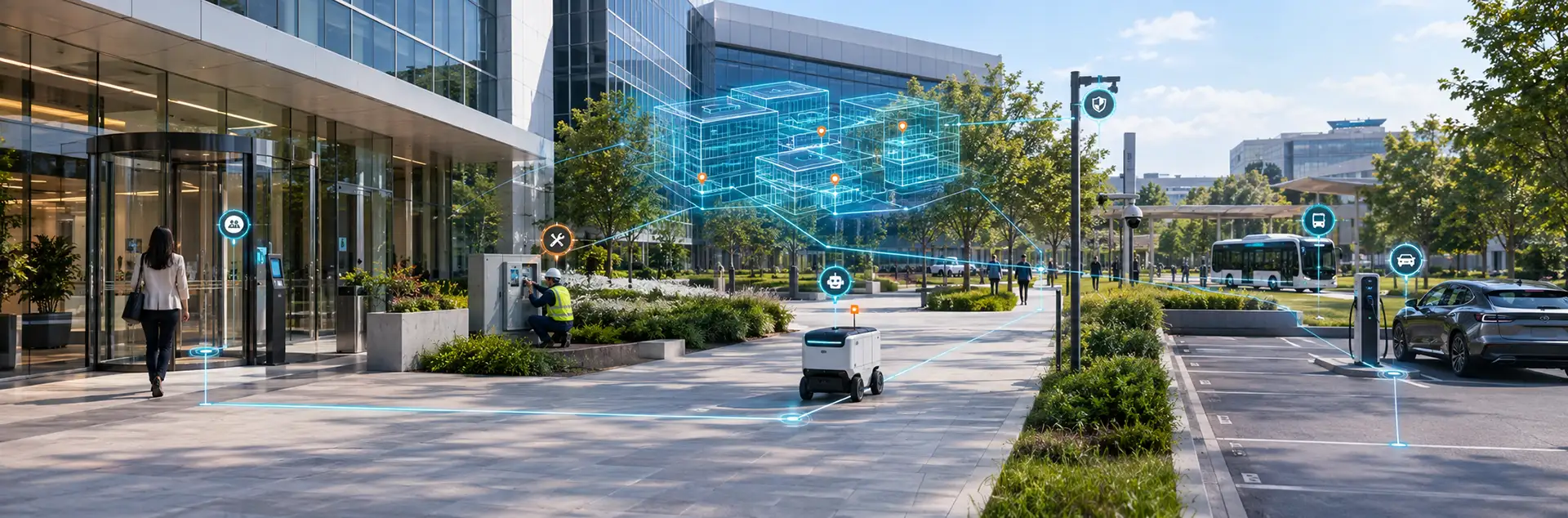
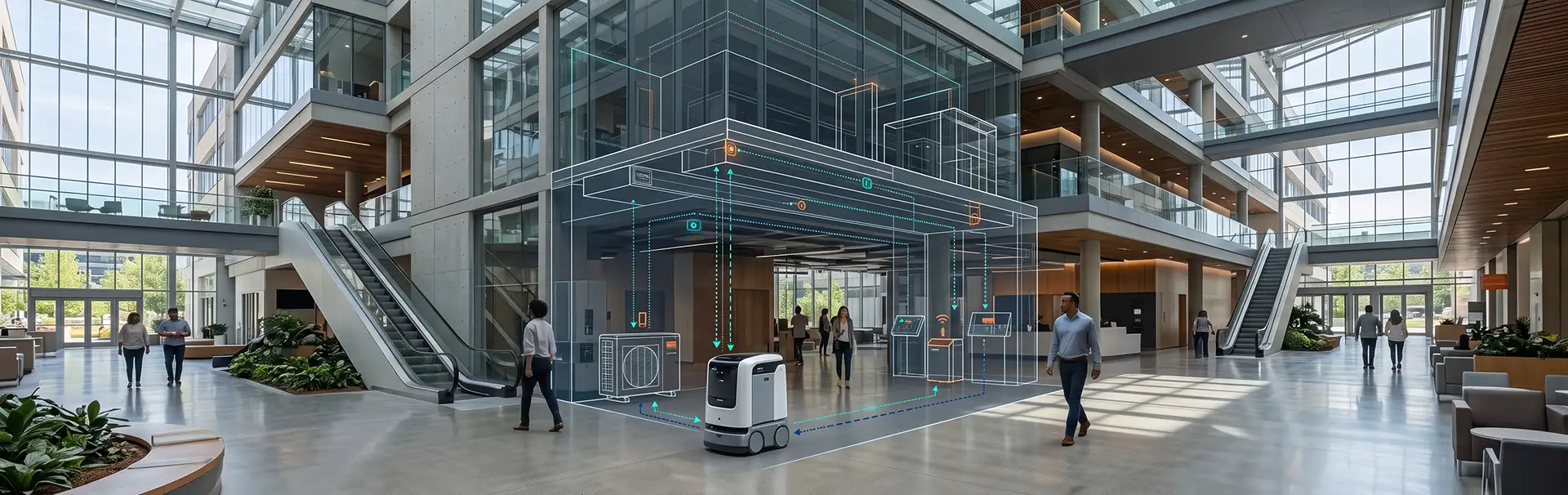
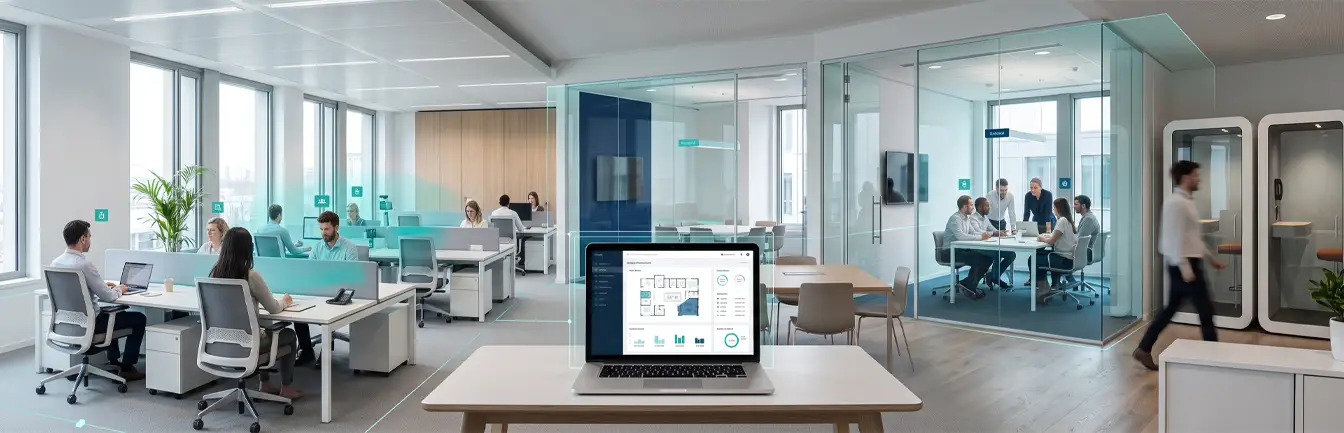
Kiosks integrate with campus security, lighting, and climate control systems to create smarter, more efficient environments. This is made possible through IoT connectivity, where the kiosk acts as a central node for environmental data. - Augmented Reality (AR) Navigation
Offers immersive wayfinding experiences where users can experience routes and destinations through AR-powered displays on their phones or the kiosk itself, overlaying digital paths onto the real world. - Sustainable Solutions
Energy-efficient kiosks powered by solar panels and designed with eco-friendly materials help universities meet their sustainability goals while reducing long-term operational costs.
Are Kiosk Systems on Campus Getting Smarter?
Absolutely! The transformation of kiosk systems has significantly improved campus accessibility, navigation, and engagement. From static directories to AI-powered, interactive smart kiosks, these technologies have reshaped how students and visitors interact with university spaces. As Kiosk Systems in Smart Campus Applications continue to evolve, they will become even more predictive and essential to daily campus life.
Your campus can lead the charge in smart kiosk solutions with innovations like IoT and AI with the right interactive wayfinding solution. Vicinia offers the tools necessary to modernize your infrastructure and provide a world-class experience. Book a demo today to learn more about our hardware and software solutions.