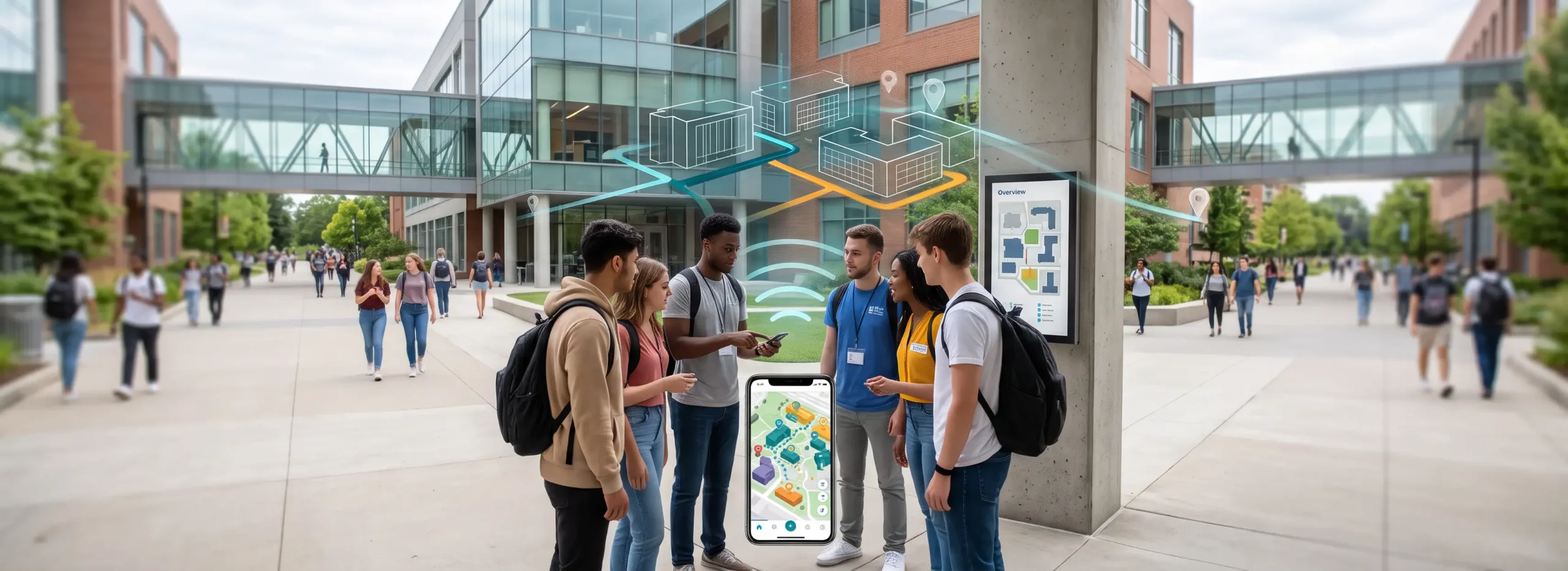
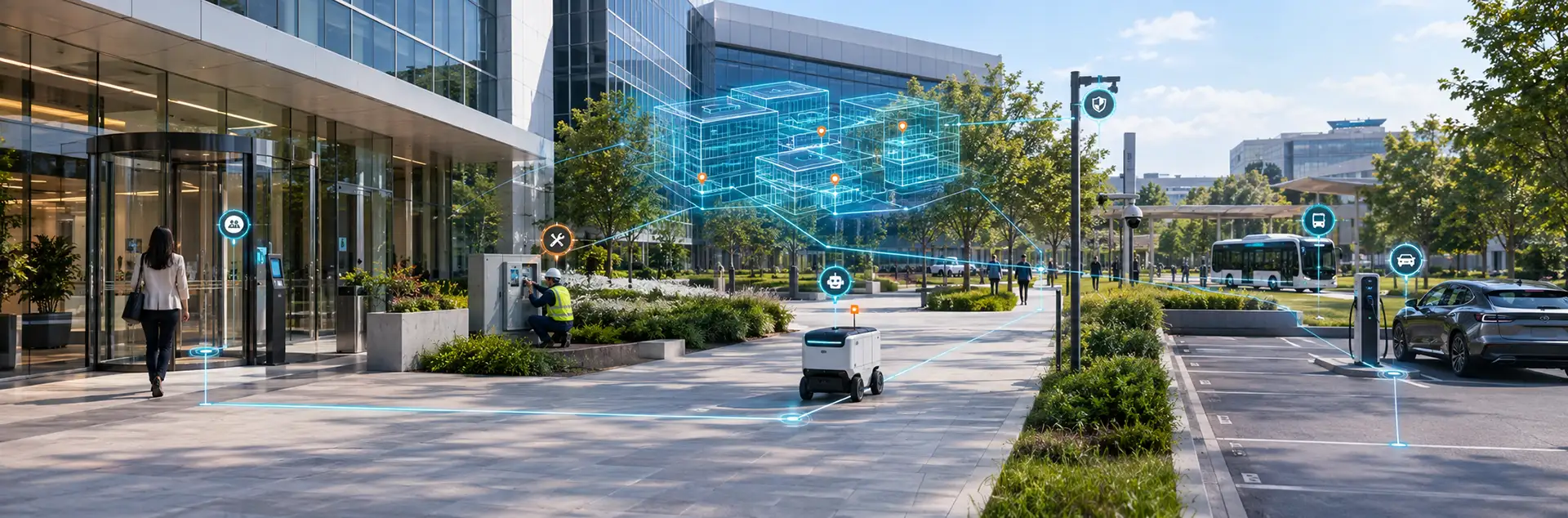
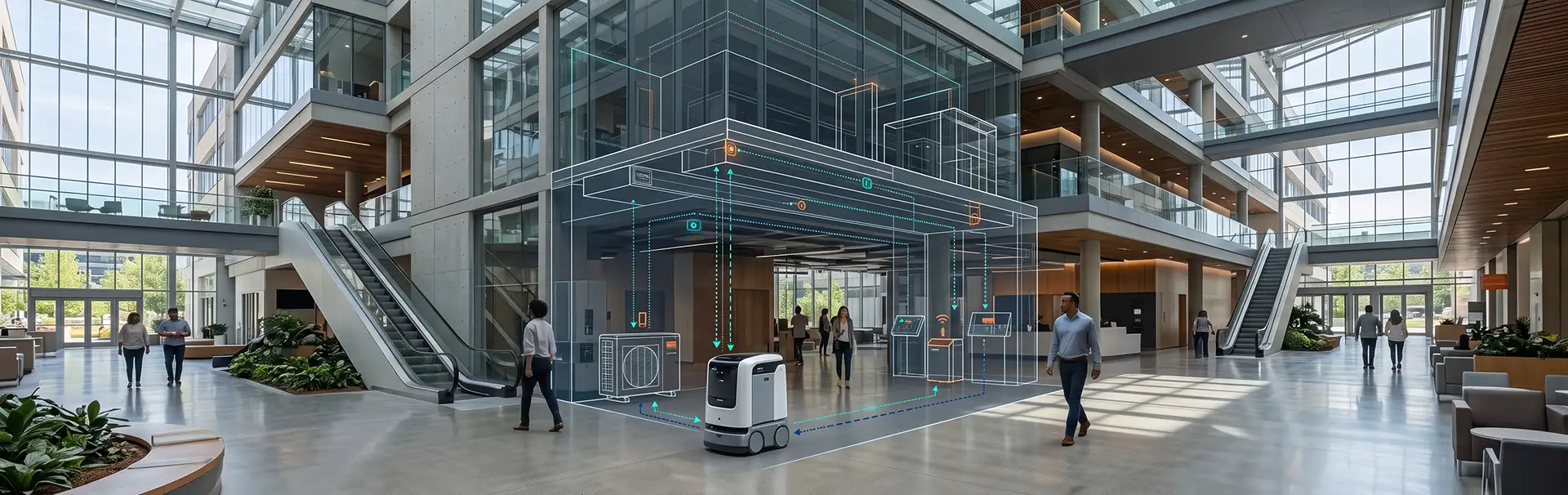
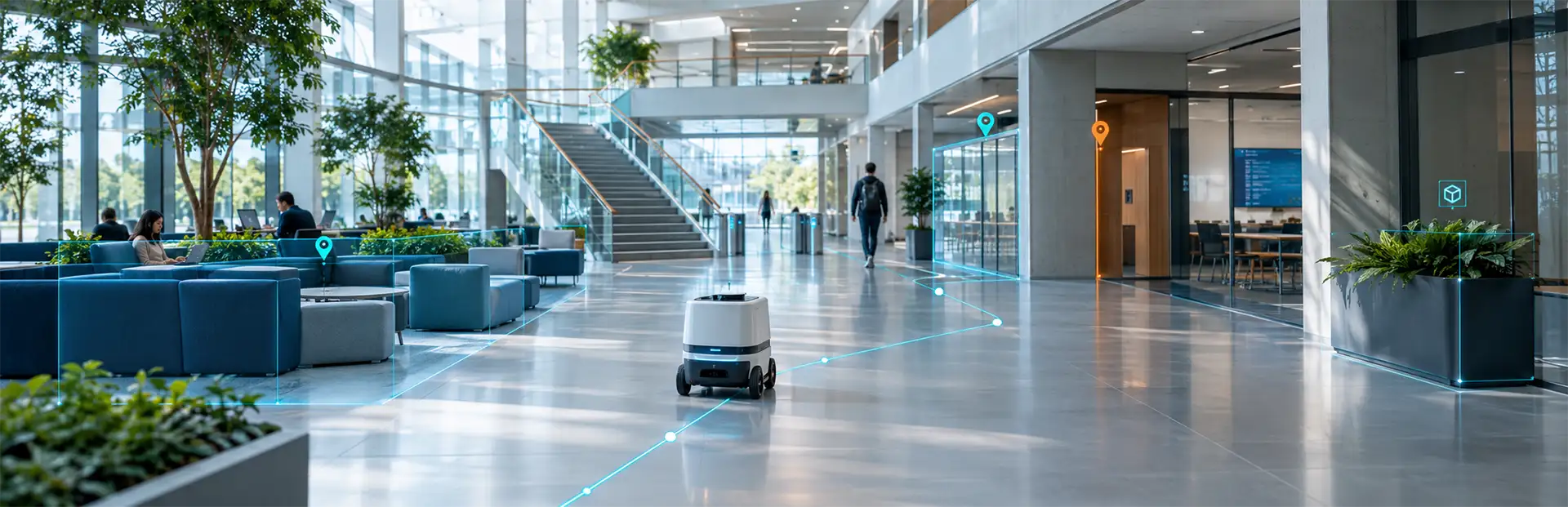
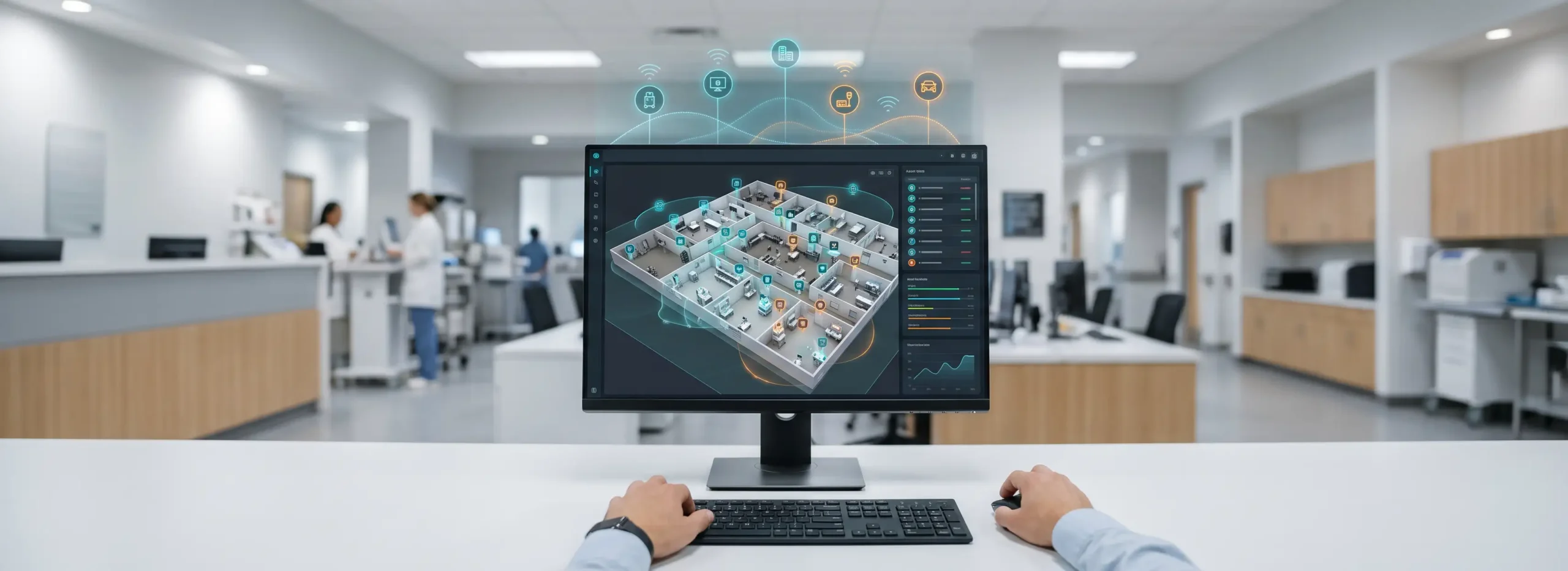
As modern campuses expand into massive, multi-facility environments, the challenges of wayfinding, navigation, and accessibility become increasingly complex. Traditional static maps and physical signage often fall short in guiding students, patients, and visitors through intricate networks of buildings, parking areas, and complex pathways. To address these growing logistical hurdles, Digital Campus Maps have emerged as essential tools for the modern era, offering intuitive navigation and real-time information. Vicinia’s digital campus solutions enhance this experience by integrating real-time mapping, indoor positioning, and interactive kiosks, providing users with a seamless journey from the moment they arrive on campus.
1. The Importance of Digital Campus Maps and Vicinia’s Leadership
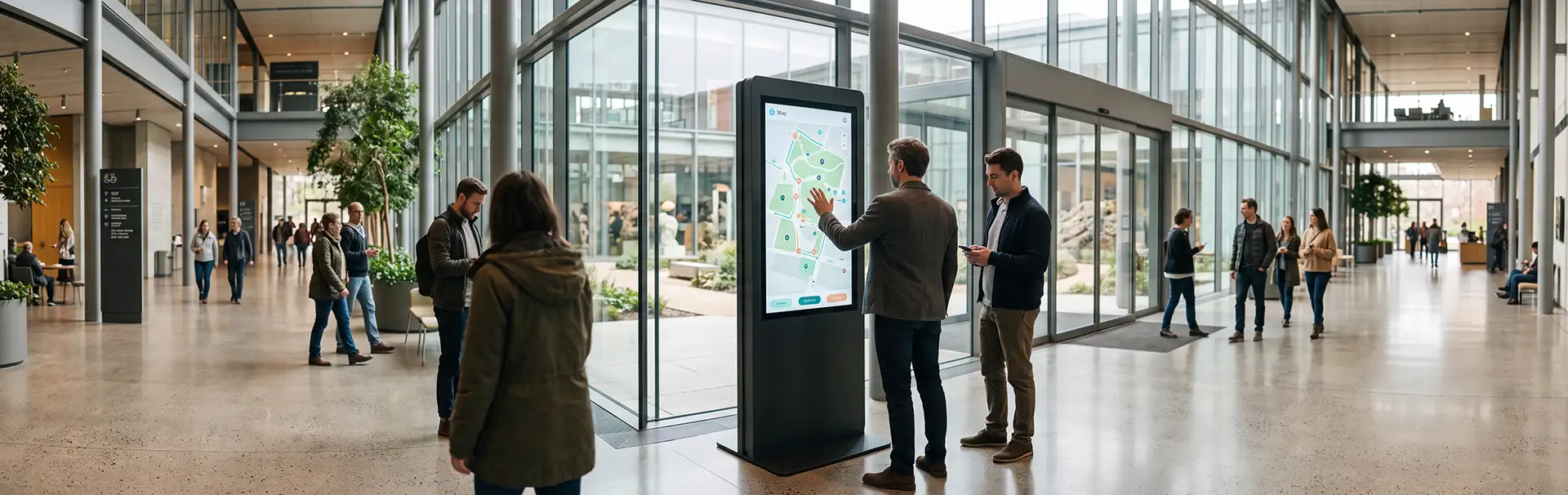
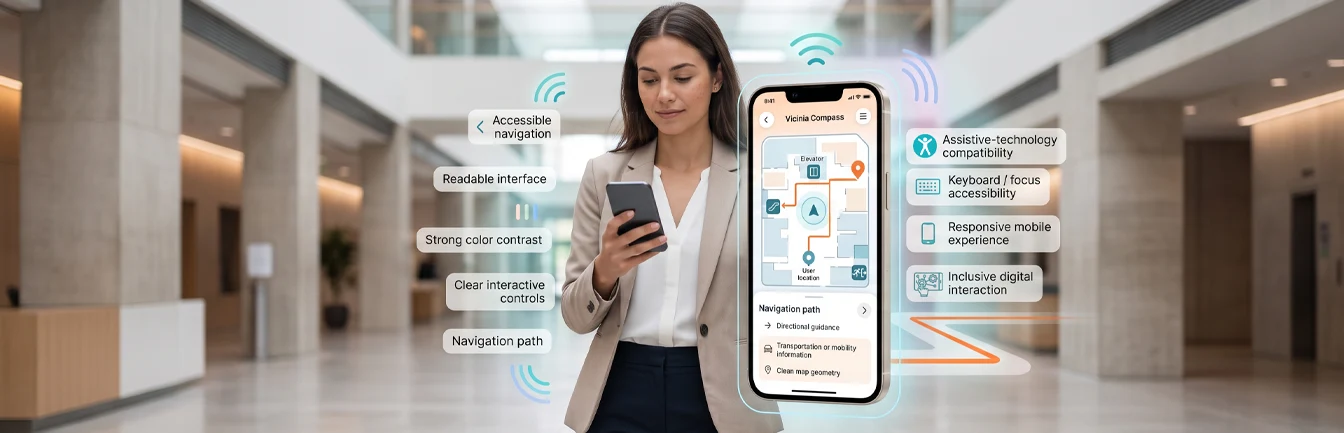
Digital campus maps transform complex physical layouts into accessible, user-friendly digital interfaces. This allows visitors to locate classrooms, departments, faculty offices, or specific parking spaces with unprecedented ease. Vicinia’s campus navigation software offers high-precision directions and contextual information, accessible via mobile applications, web platforms, or strategically placed digital kiosks. This multi-platform accessibility ensures that users can obtain accurate navigation assistance regardless of their hardware preferences or technical literacy.
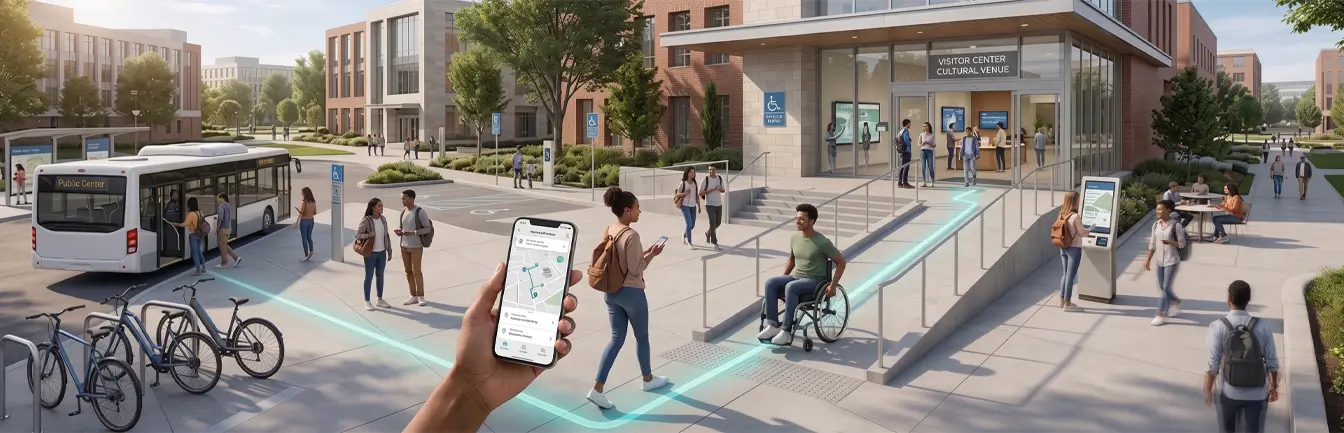
Beyond basic blue-dot navigation, Vicinia’s interactive digital maps provide real-time updates and localized notifications. This keeps users informed about live campus events, sudden schedule changes, or critical emergencies. This dynamic approach ensures that visitors are always aware of their surroundings and any pertinent information, significantly enhancing their overall campus experience and safety. By utilizing indoor positioning software, institutions can ensure that the transition from outdoor GPS to indoor navigation is fluid and lag-free.
2. Enhancing Accessibility with Interactive Kiosks and Wayfinding Systems
Accessibility is a core pillar of Vicinia’s technology. Their interactive wayfinding kiosks are meticulously designed to cater to users with diverse needs, featuring ADA-compliant functionalities. These systems offer specialized routes that prioritize elevators, ramps, and accessible entrances while avoiding stairs or steep inclines. This commitment to inclusivity ensures that all individuals, regardless of physical abilities, can navigate the campus comfortably and with dignity.
A notable feature of the Vicinia ecosystem is the seamless transition of navigation routes from physical kiosks to personal mobile devices. Users can initiate directions on a large-format kiosk and instantly transfer the live route to their smartphones via QR codes. This facilitates uninterrupted guidance throughout the campus, which is particularly beneficial in large or multi-story environments where continuous navigation support is essential for stress-free travel. The integration of Indoor Wayfinding technology ensures that the pathfinding logic remains consistent across all touchpoints.
3. Leveraging Real-Time Data for Efficient Campus Management
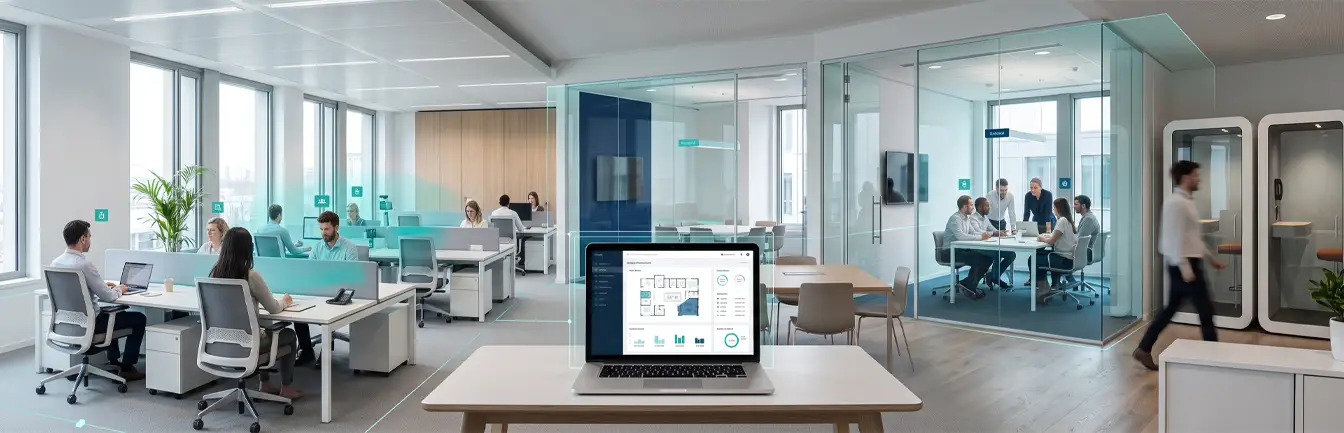
Effective campus management extends far beyond simple wayfinding. Vicinia’s mobility management software integrates real-time data streams, providing users with up-to-the-minute information on shuttle schedules, parking availability, and live event locations. This real-time data dissemination reduces campus congestion, optimizes resource utilization, and enhances overall operational efficiency for the administration.
For campuses hosting frequent public events, conferences, or sporting activities, Vicinia’s solutions streamline logistics by offering accurate, live information to large crowds. This capability leads to significantly reduced wait times and increased satisfaction among campus visitors. By centralizing Indoor Mapping and outdoor data, administrators can monitor traffic patterns and adjust campus resources dynamically to meet actual demand.
4. Advancing Campus Experiences with Innovative Solutions
As Digital Campus Maps become integral to long-term campus planning and digital transformation strategies, Vicinia continues to innovate by incorporating advanced features like augmented reality and predictive analytics. These enhancements enable educational and healthcare institutions to offer immersive experiences and comprehensive services that were previously impossible with paper-based systems.
By adopting Vicinia’s comprehensive campus solutions, institutions can create a connected and responsive environment that evolves alongside user needs. This forward-thinking approach sets a new standard for campus experiences, ensuring that navigation, accessibility, and information dissemination are efficient, user-centric, and data-driven. The implementation of high-quality Campus Navigation Software ensures that the institution remains competitive and modern.
In conclusion, Vicinia’s digital campus solutions revolutionize the way campuses manage navigation and accessibility. Through real-time mapping, interactive kiosks, and a relentless focus on inclusivity, Vicinia enhances the campus experience for all users, paving the way for smarter, more efficient, and more welcoming campus environments for generations to come.