
The purpose of transport management software is to streamline and optimize logistical operations. To achieve this, it requires specific key features that make your daily operations more efficient and cost-effective.
1. Real-Time Data Tracking
Real-time data opens new possibilities for your logistics. Drawing information from GPS, IoT sensors, or third-party sources allows you to track vehicles as they move from origin to destination. By maintaining live visibility, administrators can set reliable schedules, track progress continuously, and improve navigation by dynamically rerouting paths when disruptions occur.
2. Advanced Route Optimization
Planning is critical in any transportation operation. You need software that helps you consistently choose the best path toward your destination. Route optimization enables your organization to save valuable time, reduce fuel consumption, and lower operational costs.
Modern platforms use intelligent algorithms and real-time data—accounting for traffic patterns, delivery time windows, and road conditions—to determine the optimal path for every trip. This capability directly reduces unnecessary mileage and vehicle idling time.
3. Seamless Third-Party Integration
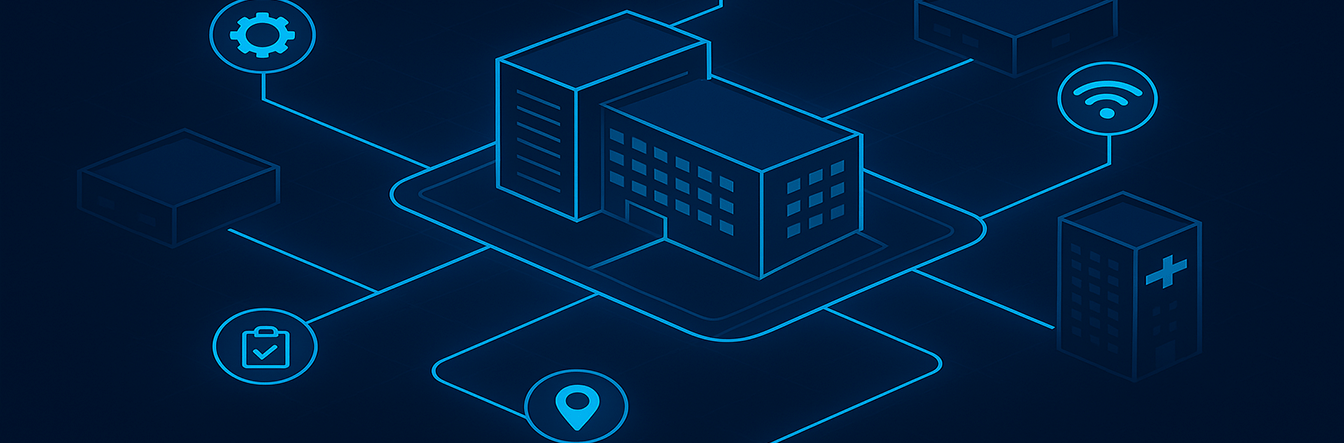
Logistics doesn’t operate in a vacuum; it’s part of a much larger ecosystem. Your transport management software must integrate seamlessly with your existing infrastructure. It should communicate flawlessly with systems like Enterprise Resource Planning (ERP), Warehouse Management Systems (WMS), Customer Relationship Management (CRM) tools, and IoT networks.
Integration enhances data accuracy, eliminates manual data entry, and improves overall efficiency. When systems operate in unison, information flows freely throughout the supply chain, resulting in better collaboration, the elimination of data silos, and a significant increase in productivity.
4. Mobile-Ready Accessibility
Mobility is central to any logistics system. Operations must function on the go because users—whether they are shuttle drivers, warehouse staff, or field operators—move constantly while carrying out their duties.
Since most transport management software users cannot rely on bulky desktop equipment, your solution must fit in the palm of their hands. Mobile-friendly features—such as electronic proof of delivery, live location tracking, and barcode scanning—vastly improve the user experience. A mobile-ready platform empowers users to:
- Streamline shipment processes
- Track physical assets in real time
- Cut down on manual errors
- Improve data accuracy
5. Comprehensive, Accurate Analytics
Adopting software makes it easier to collect hard, verifiable data. With a leading platform, you can generate robust analytics and reports that provide deep insights into Key Performance Indicators (KPIs), such as delivery times, asset utilization, and fuel consumption.
These analytics and reporting tools empower operations managers to:
- Spot workflow bottlenecks
- Identify processes that require immediate optimization
- Discover opportunities to reduce costs and increase revenues
- Pinpoint specific efficiency needs
Optimize Your Logistics with the Right Tools
Transport management software can elevate your entire logistics and transit system. By prioritizing the right features, you can reduce operational costs and ensure your routes are always optimized for maximum efficiency.
If you’d like more information on how Vicinia’s transport and digital twin solutions can enhance your logistics and campus mobility, Contact Us today.