
For years, space management relied on assumptions. A floor plan was approved. A lease was signed. Desks were assigned. And everyone assumed the space was being used efficiently.
But today, organizations are realizing something important: What we think is happening in our spaces is often very different from reality. That’s where real-time occupancy changes everything.
Why Space Management Has Changed
The modern workplace—whether it’s an office, campus, hospital, public space, or mixed-use facility—is no longer static. People move differently. Schedules fluctuate. Hybrid work reshapes demand daily.
Yet many organizations still rely on:
- Annual utilization studies
- Badge swipes
- Manual headcounts
- Static booking reports
These methods show fragments of the picture, but not the full story. Modern space management requires real-time insight.
What Is Real-Time Occupancy (Really)?
Real-time occupancy measures how many people are actually in a space at a given moment—continuously, not periodically.
When combined with space utilization metrics, it answers critical questions:
- Which spaces are used—and when?
- Which rooms are consistently underutilized?
- Where does congestion occur?
- How does usage change by day, hour, or event?
Unlike traditional reporting, real-time occupancy data reflects reality as it happens, not weeks later.
Occupancy vs. Utilization: Why the Difference Matters
These two terms are often confused, but they serve different purposes:
- Occupancy tells you how many people are present.
- Utilization tells you how effectively a space is being used over time.
For example: A meeting room may be occupied every day, but only used for 30 minutes per booking. Without real-time occupancy analytics, that inefficiency stays hidden.
When organizations combine occupancy monitoring with booking data, they unlock a much clearer picture of space performance.
The Occupancy Metrics That Matter Most
Not all data is useful. The most impactful space utilization metrics include:
- Peak occupancy: When spaces experience the most demand.
- Average occupancy: Typical daily usage patterns.
- Dwell time: How long people stay in a space.
- Utilization rate: The percentage of time a space is actually used.
- Underutilization indicators: Rooms or zones rarely occupied.
These metrics allow teams to right-size their real estate footprint, improve desk and room booking policies, reduce energy waste, and support long-term space planning.
Why Real-Time Occupancy Is Data Worth Gold
Real-time occupancy data doesn’t just inform—it drives decisions. Organizations using space management software with live occupancy insights report:
- Better alignment between space supply and demand
- Reduced real estate costs
- Improved employee and visitor experience
- More confident portfolio planning
Instead of reacting to complaints or assumptions, teams lead with evidence.
Where Digital Twins Come In
Raw data alone isn’t enough. The real transformation happens when real-time occupancy lives inside a digital twin.
A digital twin for buildings provides:
- A visual, intuitive representation of space usage
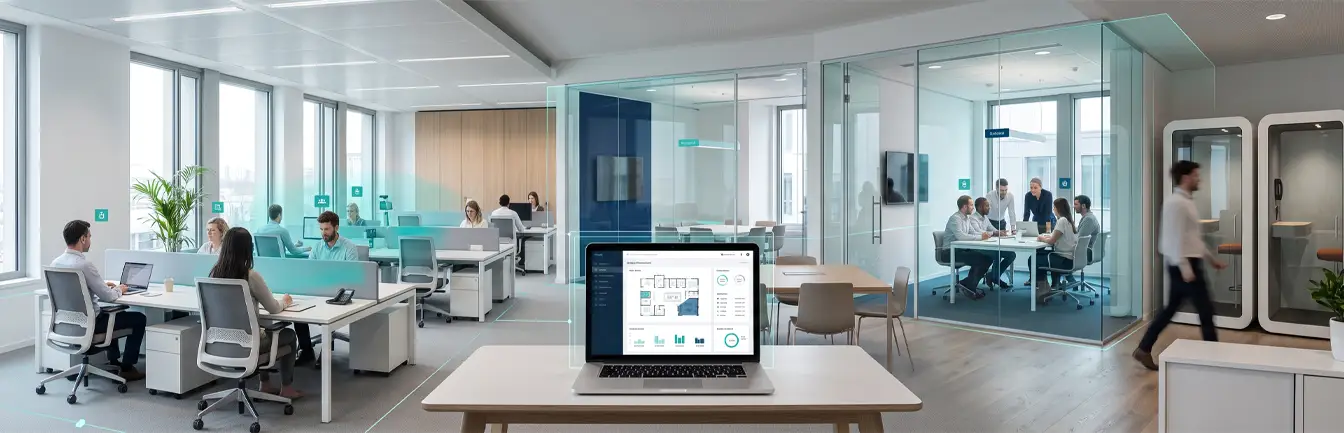
- Live occupancy overlays on real floor plans
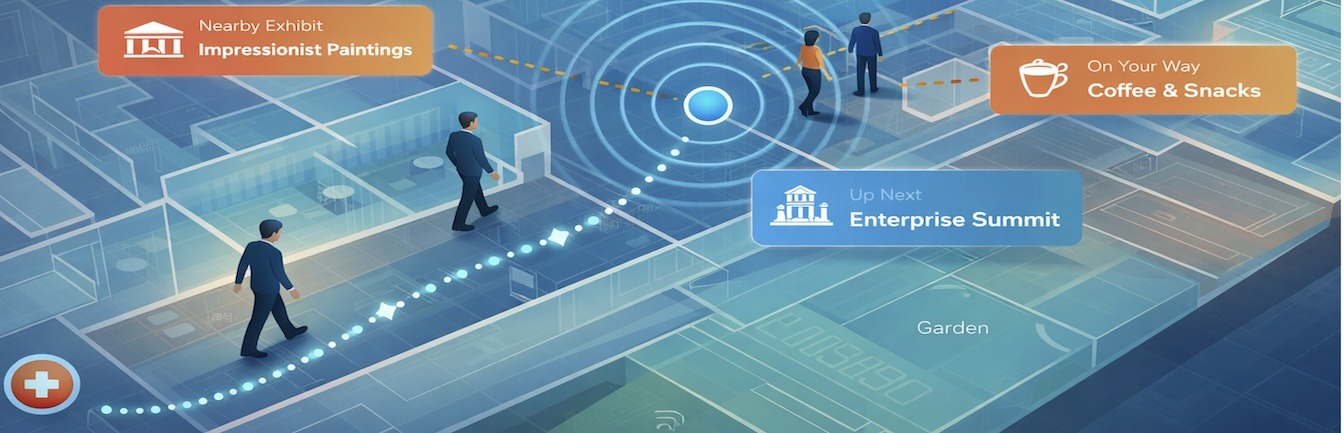
- Context for understanding how people move through environments
- A shared source of truth across teams
Rather than spreadsheets, teams see spaces as they actually function. This is where space management becomes strategic, not administrative.
From Insight to Action
When organizations combine real-time occupancy, space utilization analytics, booking data, and digital twin visualization, they can:
- Reconfigure layouts based on actual behavior
- Adjust policies for hybrid work
- Identify spaces that can be consolidated or repurposed
- Improve safety, comfort, and flow
Space stops being a fixed cost and becomes a dynamic asset.
The Future of Space Management
The future isn’t about managing square footage. It’s about managing experience, efficiency, and adaptability.
Organizations that embrace real-time occupancy analytics and digital twin space management are no longer guessing—they are responding in real time. And that’s what modern space management is really about.