
Most industries are under pressure to innovate and become smarter with more sustainable operations. The transport industry in particular has to meet surging demands due to urban congestion. Fortunately, AI has risen to the occasion. Today’s post examines the core capabilities of AI transport management systems and how they are unlocking the true potential of data in modern mobility networks.
These AI-powered systems use live data to optimize routing, scheduling, and resource allocation on a massive scale, transforming how cities and campuses handle daily traffic.
Key Roles of AI Transport Management Systems
Efficient Data Collection and Analysis
Cities may better plan for sustainable transportation management by identifying patterns in traffic data collected over time with the aid of AI and machine learning (ML) systems. This encourages routes in all communities to be safer, more effective, and easier to access.
Fewer Traffic Jams
Artificial intelligence-driven sensors reduce traffic by employing adaptive signal timing (AST) to modify traffic signals in real-time. For instance, many Pittsburgh junctions now have AI-powered traffic lights that cut down on idle time by more than 40% and travel times by 25%. They show how AI can quickly and quantifiably enhance traffic flow.
Flawless Tracking of Vehicles and Road Users
Radar-equipped sensors and AI-enabled video can identify bicycles, automobiles, and pedestrians. Using this information, urban planners can spot trouble spots, such as dangerous intersections or traffic jams, before they become more serious problems.
Lower Carbon Emissions
Smart transportation management can help fight climate change and enhance air quality by lowering car emissions. By optimizing routes and encouraging environmentally friendly driving practices, AI-powered transport management software promotes more fuel-efficient use of transport assets. Additionally, incorporating AI systems with electric and hybrid vehicles helps to reduce the transportation sector’s overall carbon impact.
Improved Parking Management Effectiveness
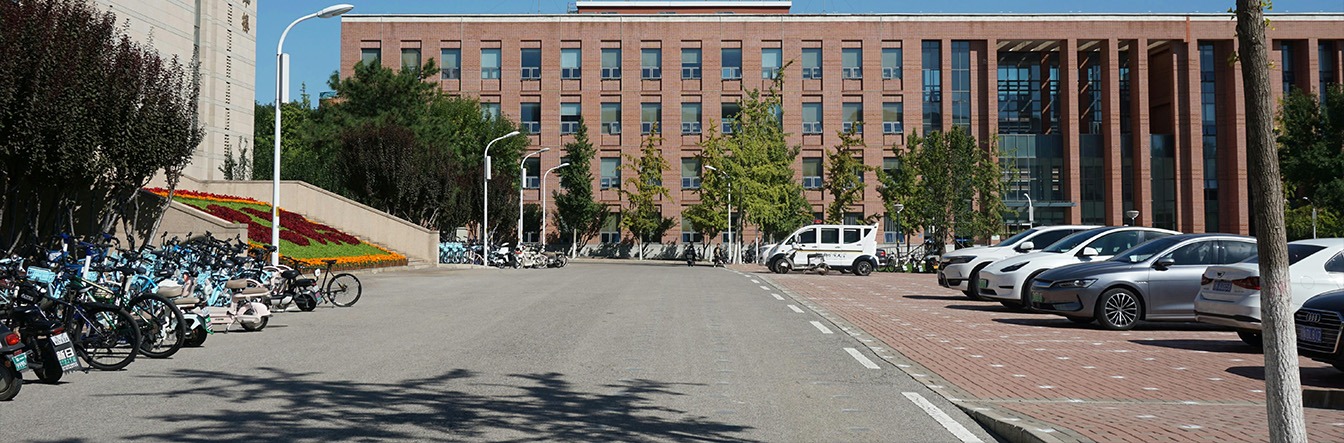
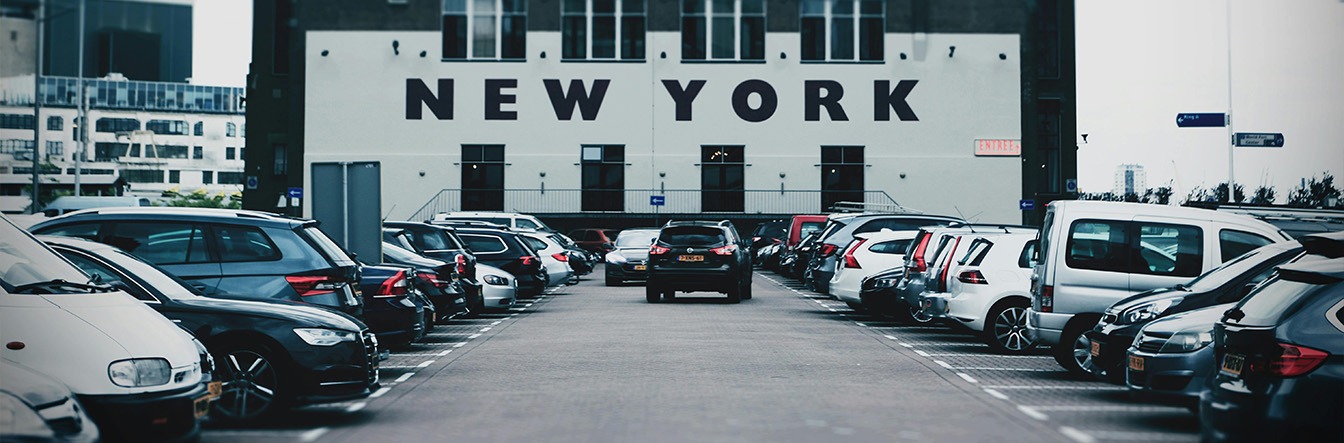
Transportation units can direct cars to open areas, flag parking infractions, and keep an eye out for safety issues without hiring more employees thanks to AI-connected cameras and sensors utilized in smart parking areas.
Quicker Detection of Accidents and Traffic Issues
AI systems recognize sudden slowdowns or standstills in traffic and alert the appropriate authorities. This translates into improved planning for long-term congestion relief and faster reaction times for first responders, which saves valuable lives and properties.
The Future: AI and Digital Twins
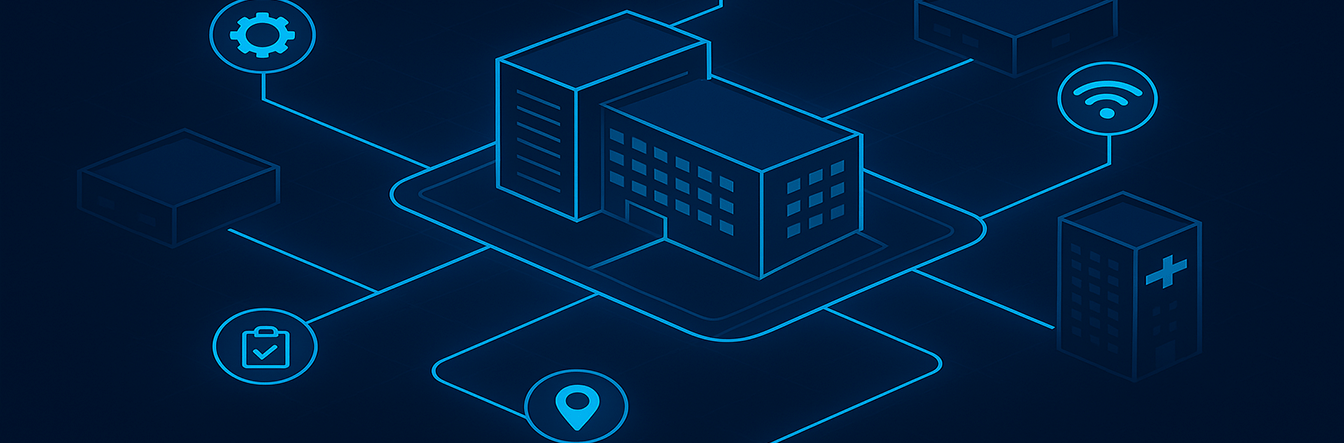
As environments become increasingly complex, the most advanced AI transport management systems are being integrated directly into digital twin platforms. A digital twin provides a live, virtual replica of a campus or city’s physical transit network. By layering AI predictive algorithms over this digital map, administrators can simulate traffic scenarios, predict bottlenecks before they occur, and proactively reroute shuttles—turning reactive transit management into a truly intelligent, automated ecosystem.
Choose Vicinia’s Transport Management Software
Transport management systems are transforming thanks to artificial intelligence, which is bringing innovative solutions that boost decision-making, reduce costs, and increase performance. Employing Vicinia’s artificial intelligence (AI)-driven transport management software within your company can help you optimize routes, predict preservation requirements, and provide more personalized transportation to your customers.
These enhancements will enable you to work more efficiently and keep a significant advantage over your competition. To better understand how Vicinia’s transport management systems can impact your business, book your free demo today.