
Museums are no longer just static collections of artifacts and exhibits. As technology advances, visitor expectations are shifting towards interactive, immersive, and personalized experiences. Indoor mapping and smart navigation are playing a crucial role in modernizing museum exploration, making it easier for visitors to navigate large spaces, discover exhibits, and engage with collections in new ways.
The Challenges of Museum Navigation
Many museums, especially larger institutions, have complex layouts that can be overwhelming for visitors. Traditional paper maps, while useful, often lack real-time information and can be difficult to interpret. Visitors may struggle to locate specific exhibits, restrooms, or amenities, leading to frustration and a less enjoyable experience.
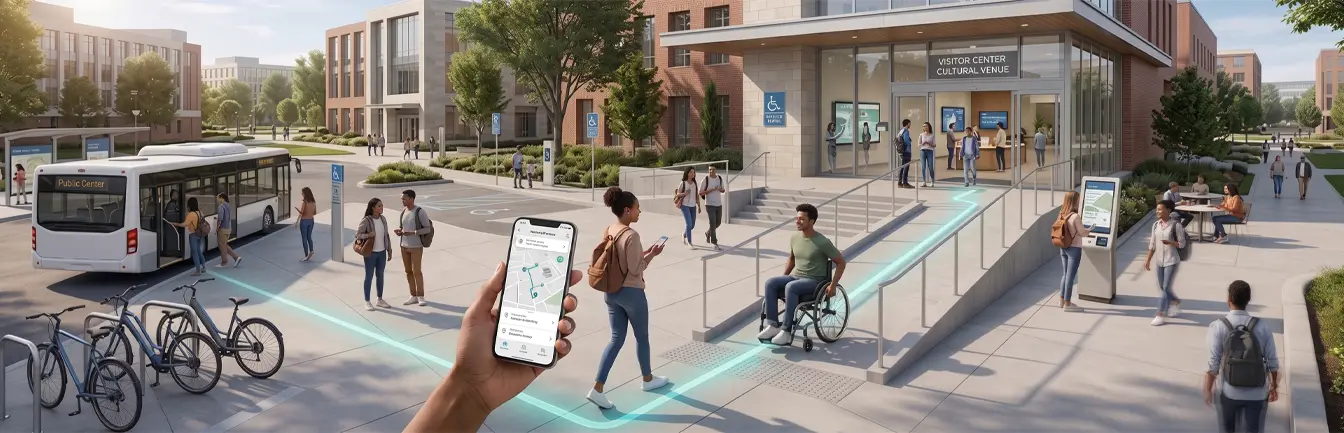
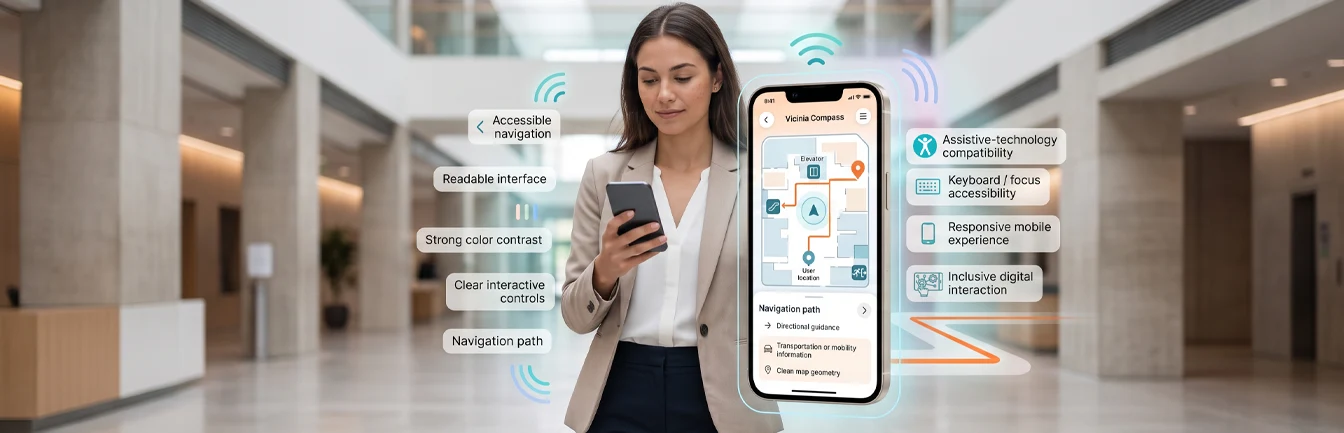
Additionally, accessibility is a key concern. Museums need to ensure that all visitors, including those with mobility challenges, can navigate exhibits with ease. Indoor mapping and smart navigation solutions address these issues by providing digital guidance, interactive route planning, and real-time updates.
How Indoor Mapping Enhances the Museum Experience
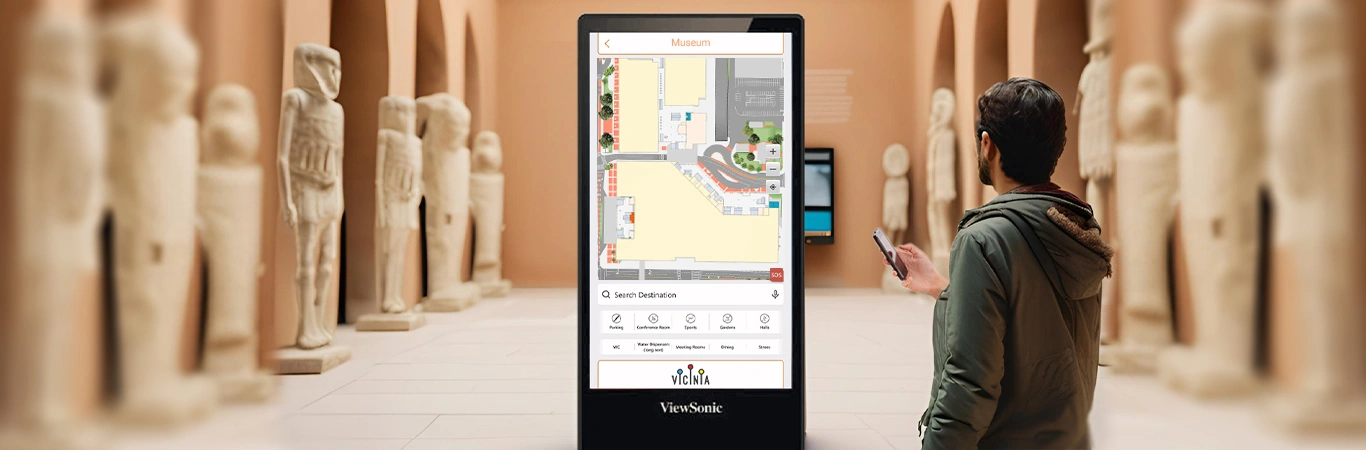
Indoor mapping technology allows museums to offer real-time, digital maps accessible through kiosks, mobile apps, or interactive displays. These maps provide:
Accurate floor plans with clearly marked exhibits, amenities, and exits
Turn-by-turn navigation to help visitors find specific locations efficiently
Customizable tour routes based on visitor preferences and time constraints
Accessibility-friendly pathways for wheelchair users and visitors with other mobility needs
By integrating indoor mapping software, museums can streamline visitor flow, reduce congestion, and improve overall engagement.
Smart Navigation: A New Era of Museum Exploration
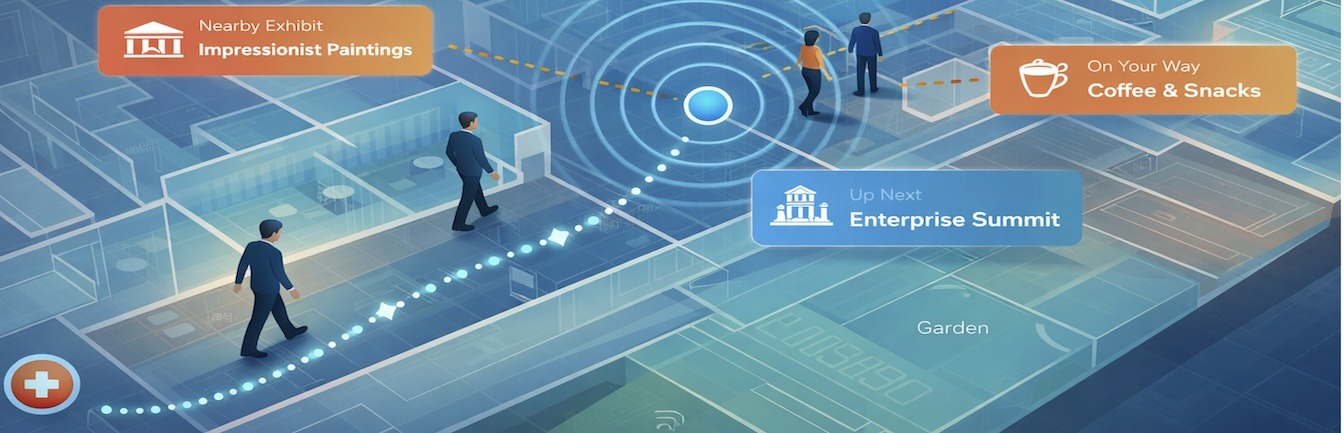
Beyond static maps, smart navigation systems enhance the visitor journey with interactive and intelligent features. These may include:
Personalized tour recommendations, guiding visitors based on their interests
Augmented reality (AR) wayfinding, overlaying directions on a visitor’s mobile screen
Real-time alerts and notifications, providing updates on scheduled events or exhibit changes
QR code and NFC integration, allowing visitors to scan exhibits for additional multimedia content
Smart navigation solutions transform passive viewing into an interactive learning experience, making museums more engaging for visitors of all ages.
Real-World Application: A Smarter Museum Visit
Consider a visitor arriving at a large natural history museum for the first time. Instead of picking up a paper map, they use a digital wayfinding kiosk or scan a QR code on their phone to access an interactive map.
They select a “Dinosaur Exhibit Trail”, receiving a step-by-step route through the museum.
As they approach an exhibit, their smartphone prompts them with detailed information, videos, and 3D renderings of fossils.
The system identifies nearby restrooms, cafés, and gift shops, making their visit more convenient.
By leveraging indoor mapping and smart navigation, museums create a seamless and enjoyable visitor experience while improving accessibility and engagement.
The Future of Museum Navigation
As museums continue to embrace digital transformation, indoor mapping and smart navigation will become even more advanced. Future developments may include:
AI-powered virtual tour guides, offering personalized exhibit insights
Voice-assisted navigation, helping visitors with hands-free exploration
Integration with smart wearables, providing real-time haptic or visual directions
Museums that adopt these technologies will enhance visitor satisfaction, improve accessibility, and increase engagement, ensuring they remain relevant in an increasingly digital world.
Conclusion
Indoor mapping and smart navigation are revolutionizing how visitors explore museums. By offering real-time digital guidance, personalized experiences, and interactive engagement, museums can transform their spaces into truly smart environments. Investing in these technologies will not only benefit visitors but also streamline operations and future-proof institutions for the years ahead.