
Large spaces like universities, corporate headquarters, and healthcare facilities face logistical challenges. As they grow, challenges such as handling shuttles and monitoring vehicle fleets arise. They also need reliable mobility services for students, employees, patients, and visitors. Resources and people must reach their destinations in the most efficient way possible. Transport management software is a critical and evolving technology that helps organizations achieve logistic optimization.
The Role of Transport Management Software
A basic principle in logistics is knowing where you are going and how you will get there. Planning lowers risks and costs in any transport system.
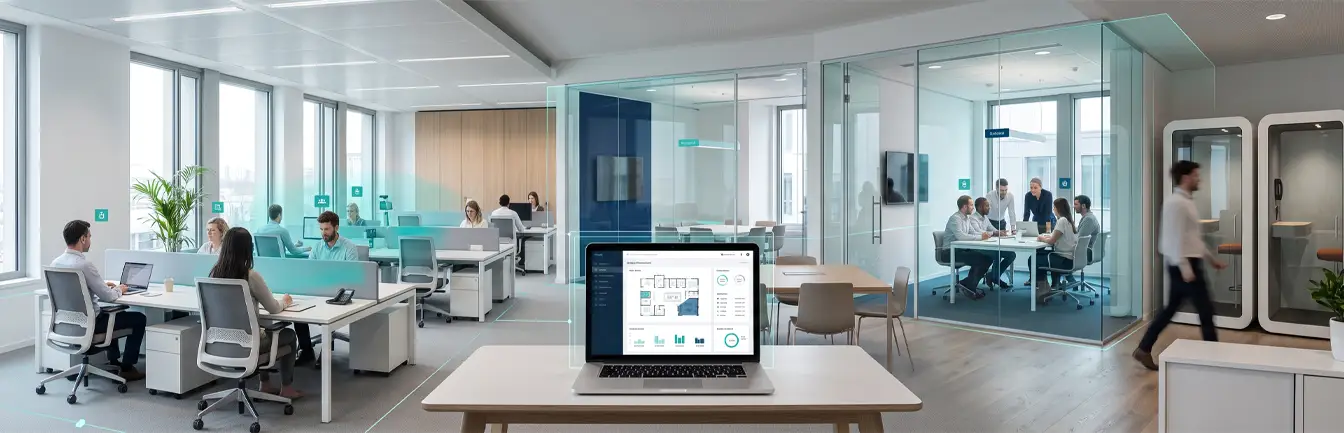
Transport management software is the key to modern campus mobility. It streamlines operations by centralizing control over transportation systems. Administrators gain the ability to track vehicle movements, analyze usage patterns, and adjust schedules seamlessly. With features like real-time tracking, route optimization, and asset management, campuses can reduce delays and enhance overall service quality.
Leveraging IoT and GPS Technology
The integration of Internet of Things (IoT) devices and GPS technology significantly improves transport management software. IoT sensors provide real-time updates on asset location and status. This means administrators can easily determine a vehicle’s location, track its path, monitor fuel levels, and identify maintenance needs.
For example, organizations can improve shuttle services by optimizing routes according to demand. By utilizing tracking tools to analyze traffic patterns and passenger data, facilities can:
- Cut wait times
- Ensure shuttles operate at full capacity
- Improve the user experience
- Reduce operational costs by minimizing fuel consumption
- Eliminate unnecessary trips
Sustainability and Environmental Impact
Transportation management software is also crucial for attaining sustainability goals. A cleaner environment is vital to a campus and its surrounding community. The software analyzes usage patterns and vehicle performance to help reduce fuel consumption and greenhouse gas emissions. Furthermore, these systems can integrate with electric or hybrid vehicles to efficiently manage charging schedules.
Enhancing User Convenience
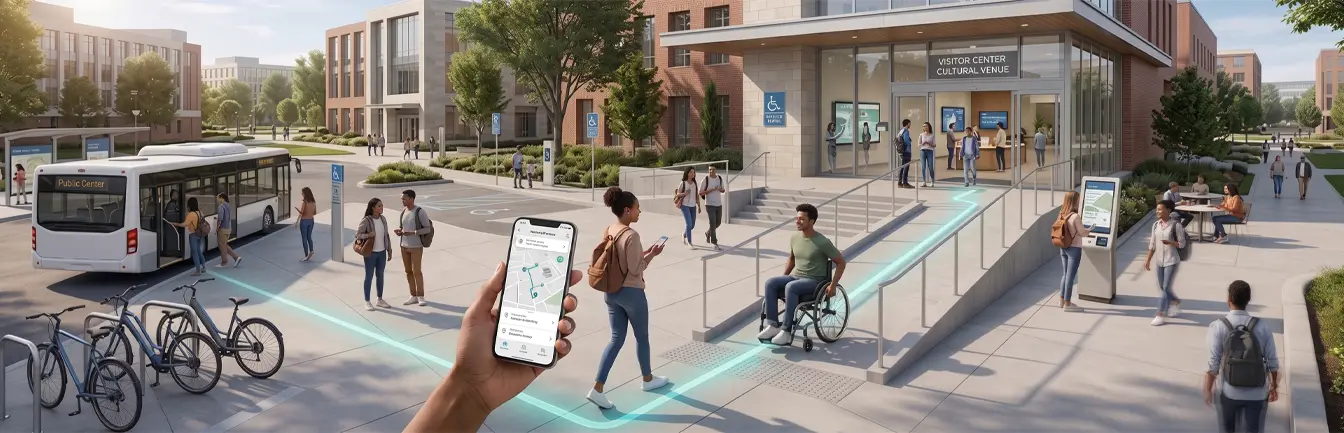
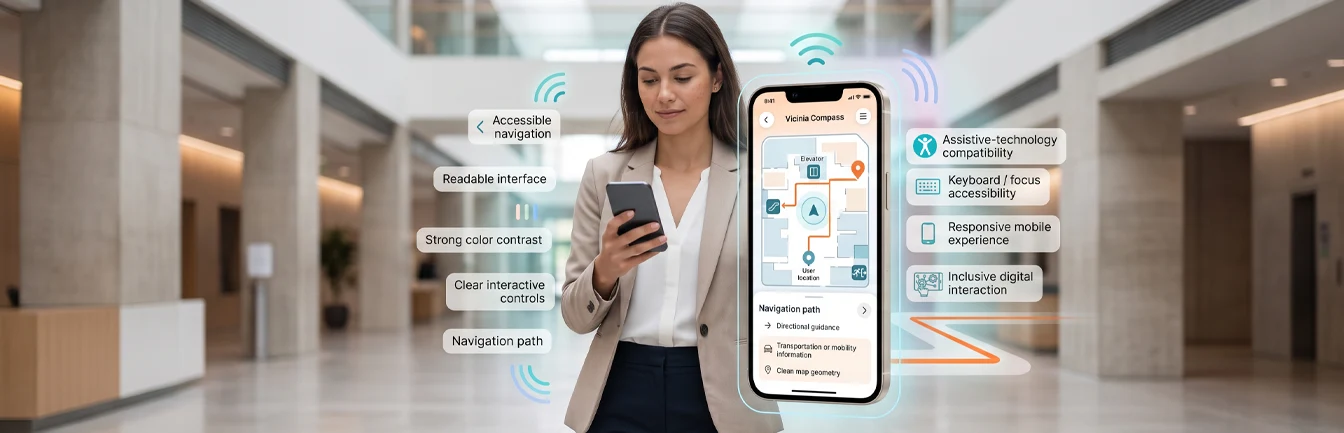
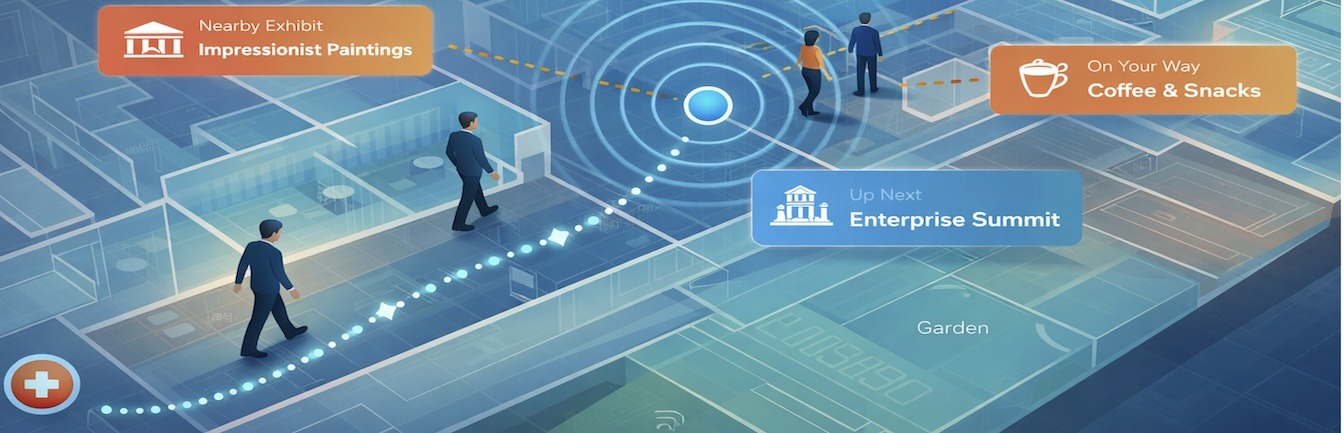
Transport management software helps users navigate large spaces with confidence. It utilizes dynamic routing updates, providing real-time data on shuttle schedules, estimated arrival times, and vehicle locations. These features reduce stress and alleviate frustrations for individuals unfamiliar with the space.
By integrating transport solutions with digital wayfinding software, campuses can reveal multimodal transport options, including walking, cycling, and ridesharing. These alternatives are particularly helpful for users with specific mobility challenges or preferences.
Transform Your Campus Experience
Transport management software is no longer a luxury—it is a necessity for modern campuses. It is key to achieving efficiency and delivering a modernized campus experience. The right platform adds convenience, supports sustainability, and serves as a technological differentiator.
Vicinia offers the solutions needed to modernize your campus mobility. Contact us today to request a demo.