
Thousands of vehicles park across universities, hospitals, corporate campuses, and cities where managing traffic and parking can be a real chore. Digital parking tools and smart parking management software can significantly improve efficiency in these challenging situations.
Practical ways digital parking tools are changing the future of campus parking
The integration of advanced technology into facility infrastructure is not just a trend; it is becoming a necessity for modern organizations. When administrators deploy smart parking management software, they instantly transform how visitors, staff, and students interact with the physical space. The benefits extend far beyond simply finding a spot for a car. Let’s look at the specific ways these systems are reshaping the urban campus experience.
Real-time availability tracking
Every driver feels relief when they finally drive into an empty parking lot, but if it’s not labeled, or you’re not familiar with the environment, there are chances you might be parking in a reserved spot.
Now, what if you received a notification on your phone telling you about the status of that parking spot – if it’s reserved or empty, or will be available in five minutes.
That suddenly makes everyone’s life easier. You could decide to wait, or be redirected to available spots. Using sensors, cameras, and check-in updates, digital parking tools and robust smart parking management software can track parking on large campuses and even cities to speed traffic and enhance parking.
Dynamic space assignment
Everyone driving around a mega campus has some business to accomplish, but they’re probably not feeling the same pressure at a particular time. They also don’t face the same physical challenges getting around, with some having mobility or vision challenges.
The smart parking management tools of the future take all these into consideration when they assign parking spaces, prioritizing faculty, staff, visitors, students, and delivery vehicles according to the pressing need at a particular hour of the day.
Parking algorithms reserve priority spaces for staff during working hours and let students have them after hours. Closer spots are allocated to people with disabilities while drivers with electric vehicles are assigned where they can recharge. By utilizing sophisticated smart parking management software, campuses ensure that equity and efficiency go hand-in-hand.
Data analytics for planning
The parking solutions of the past laid emphasis on managing vehicle traffic after putting up the structures that make up the campus. The parking solutions of the future consider current traffic an essential component of future planning, development, and expansion of the campus.
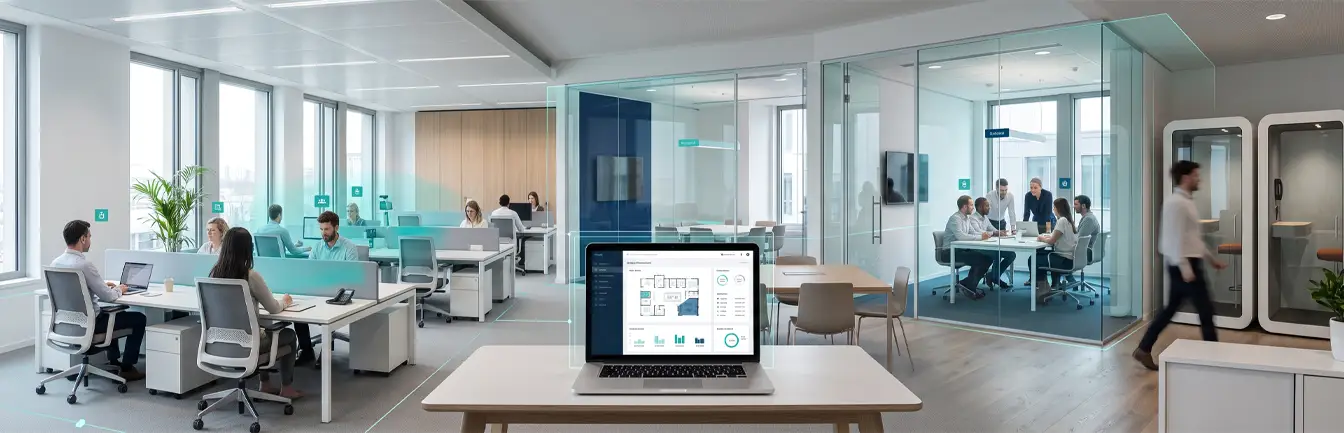
In identifying high traffic and under-utilized plots on campus, old parking zones can be eliminated and new ones established. That’s also how you figure out where to construct new buildings that serve the greatest number of people with the fewest difficulties. Collecting this invaluable data is one of the hidden advantages of implementing modern smart parking management software.
Easy navigation and integration
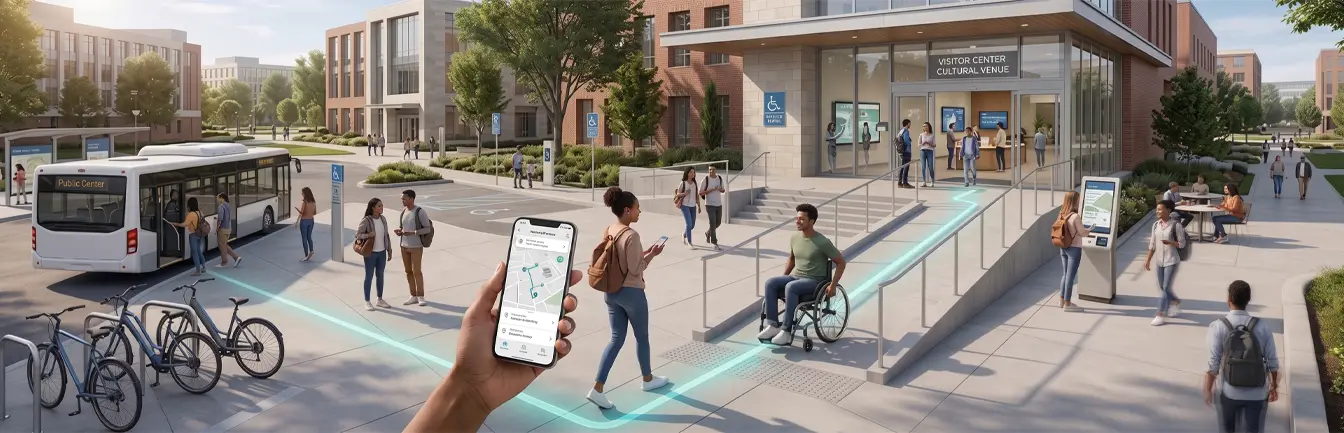
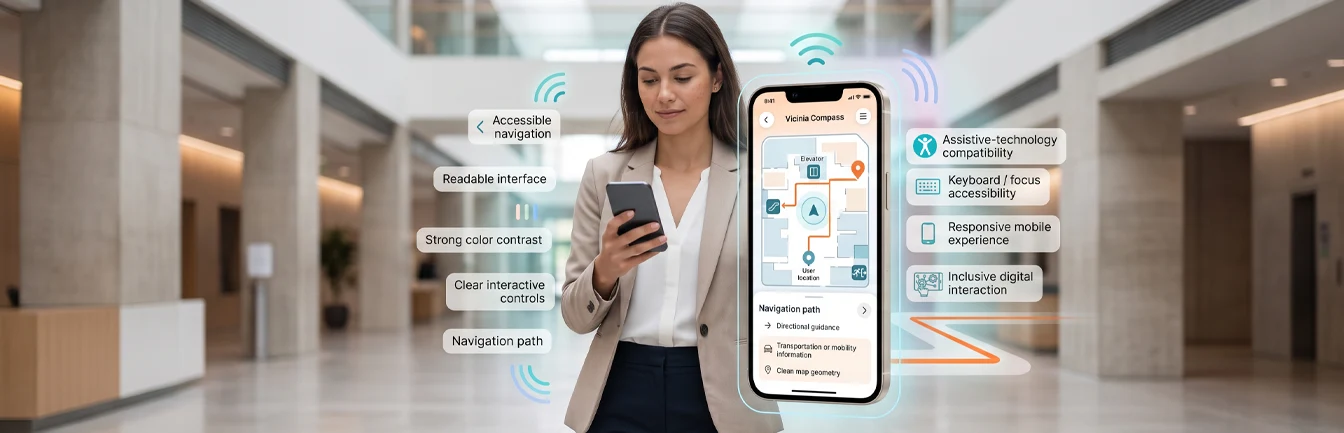
The parking solutions of the future integrate digital twin navigation maps with third-party maps to provide easy movement within grounds and seamless transit in and out of the neighborhood. It also integrates shuttles transporting people across campus. It integrates apps that facilitate payments, and real-time monitoring to improve overall security. An improvement in efficiency reduces the campus’ carbon footprint.
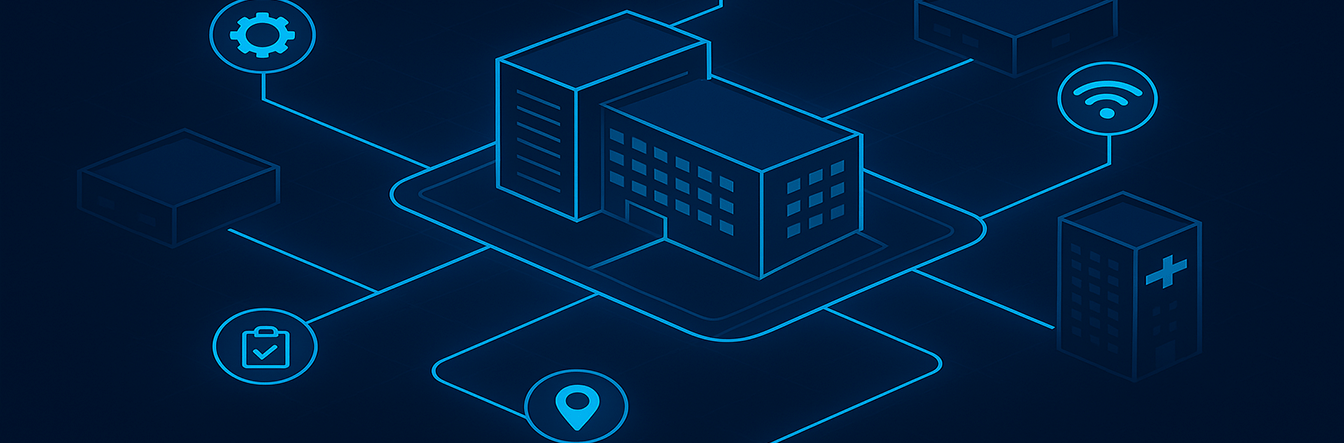
To truly future-proof an urban campus, administrators must view mobility as a connected ecosystem. A comprehensive digital platform bridges the gap between arriving at a facility and navigating the interior, ensuring a seamless user journey from the highway to the hallway.
Book a demo
Check out some of the smart parking management solutions that are available at Vicinia.