

The inadequacies of present campus transportation systems sometimes cause confusion and delays, emphasizing the demand for a more efficient and accessible alternative. Transportation management software seeks to improve the user experience for all parties by streamlining operations in response to the difficulties that staff and students encounter on college campuses.
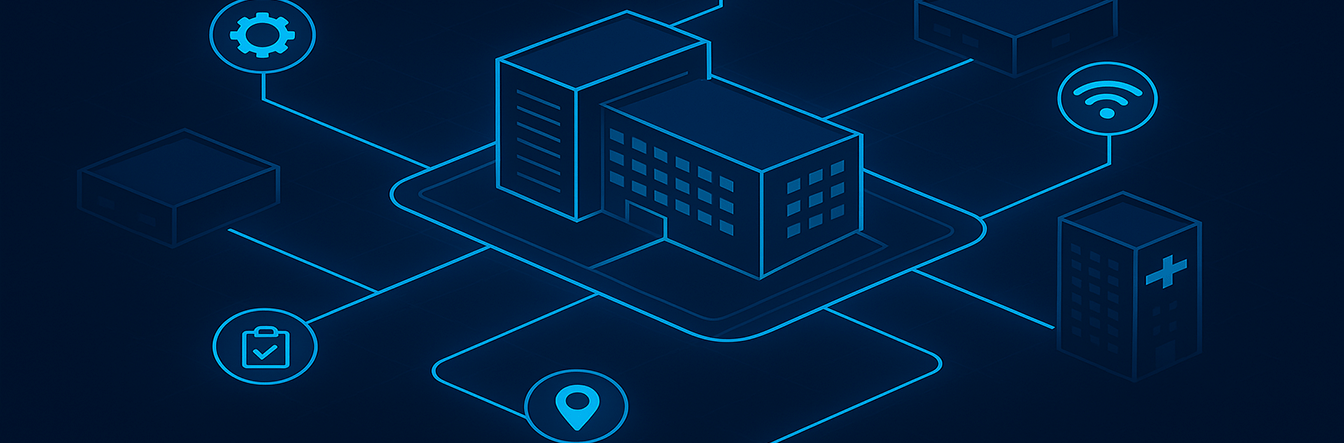
This post dives into how to integrate smart transport management solutions into a campus’s existing systems.
What is a Transport Management Software?
Transportation management software (TMS) is a program that simplifies and improves the organizing, carrying out, and monitoring of transportation-related tasks. Manufacturers, merchants, distributors, and, of course, university campuses employ it extensively to effectively handle their incoming and outgoing people and goods.
This system’s main advantages include
- Cost-effectiveness—reduce shipping expenses by streamlining the supply chain’s transportation.
- Increased visibility – real-time cargo tracking and improved commute time.
- Better decision-making – data analytics to improve performance assessment and planning.
- Compliance with regulatory requirements – Automatic adherence to safety standards.
- User satisfaction – Reduced waiting time improves passenger experience.
Steps to Integrate Transport Management Software with Existing Campus Systems
Assess Your Campus Needs
Before choosing a transportation management system, evaluate your operations. Identify key pain points, such as inefficient route planning, lack of visibility, or high transportation costs. Understanding your unique needs will help you select a system tailored to your business requirements.
Key Questions to Ask:
- What are the current bottlenecks in transportation?
- Do you need integration with existing systems like ERP or WMS?
- What are your long-term transportation goals?
Define Clear Objectives
Set measurable goals for the TMS implementation. For instance, you might aim to reduce freight costs by 15%, improve delivery times by 20%, or achieve real-time tracking for all shipments. These objectives will guide the implementation process and help evaluate the success of the system.
Pick the Best Transport Management System
The market offers a variety of alternatives for managing on-campus transportation, from on-premises systems to cloud-based ones. When selecting a TMS, take into account the following elements:
- Scalability: Is the system able to expand along with your demands?
- Features: Find essential features such as analytics, routing planning, real-time tracking, and route optimization.
- Integration capabilities: Verify compatibility with existing tools, such as campus maps, payment systems, etc.
- Interface: Select a system that is easy to use to ensure widespread adoption.
Prepare for System Integration
It is essential for smooth operations to properly integrate the TMS with your current infrastructure. For instance:
- Synchronize data by connecting the TMS to your routing system.
- Connect to IoT and GPS devices to track assets in real time.
- Involve IT teams early on to guarantee seamless integration and prevent interruptions.
Personalize the System
Customize the transport management system to your requirements. This could mean designing workflows, creating dashboards, or implementing custom rules, cost calculations, and specifying peak hours.
Pick a Scalable Smart Option
Vicinia can transform your existing campus transportation systems with a seamless and enhanced transition between driving, shuttle services, parking, walking, and transit services. You can see it in action in a free demo today.