

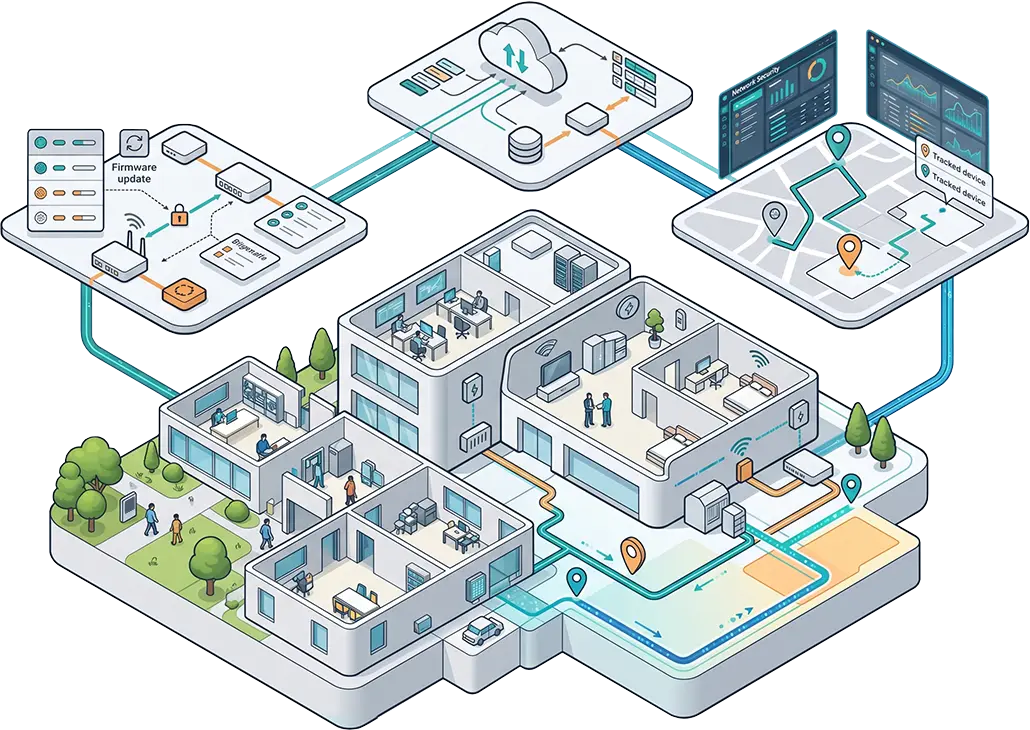
Physical environments generate data from countless systems, including maps, sensors, assets, transportation networks, enterprise applications, and user interactions. Yet most organizations still operate these systems independently, creating fragmented information, disconnected workflows, and limited visibility into how their environments function as a whole.
The Vicinia IIoT Digital Twin Platform provides a unified operational layer that connects physical environments, real-time data, and software systems through a continuously evolving digital twin.
By creating a shared representation of space, infrastructure, assets, and activity, the platform powers today’s operational applications while providing the contextual foundation for tomorrow’s intelligent systems.
Most organizations have no shortage of data.
The challenge is context.
Maps, sensors, enterprise systems, occupancy data, transportation data, and operational workflows often exist in separate silos, each maintaining its own view of the environment.
The Vicinia platform creates a common operational model that brings these systems together through a shared digital twin.
Rather than connecting systems point-to-point, organizations build upon a living representation of their physical environment that serves as a single source of spatial truth.
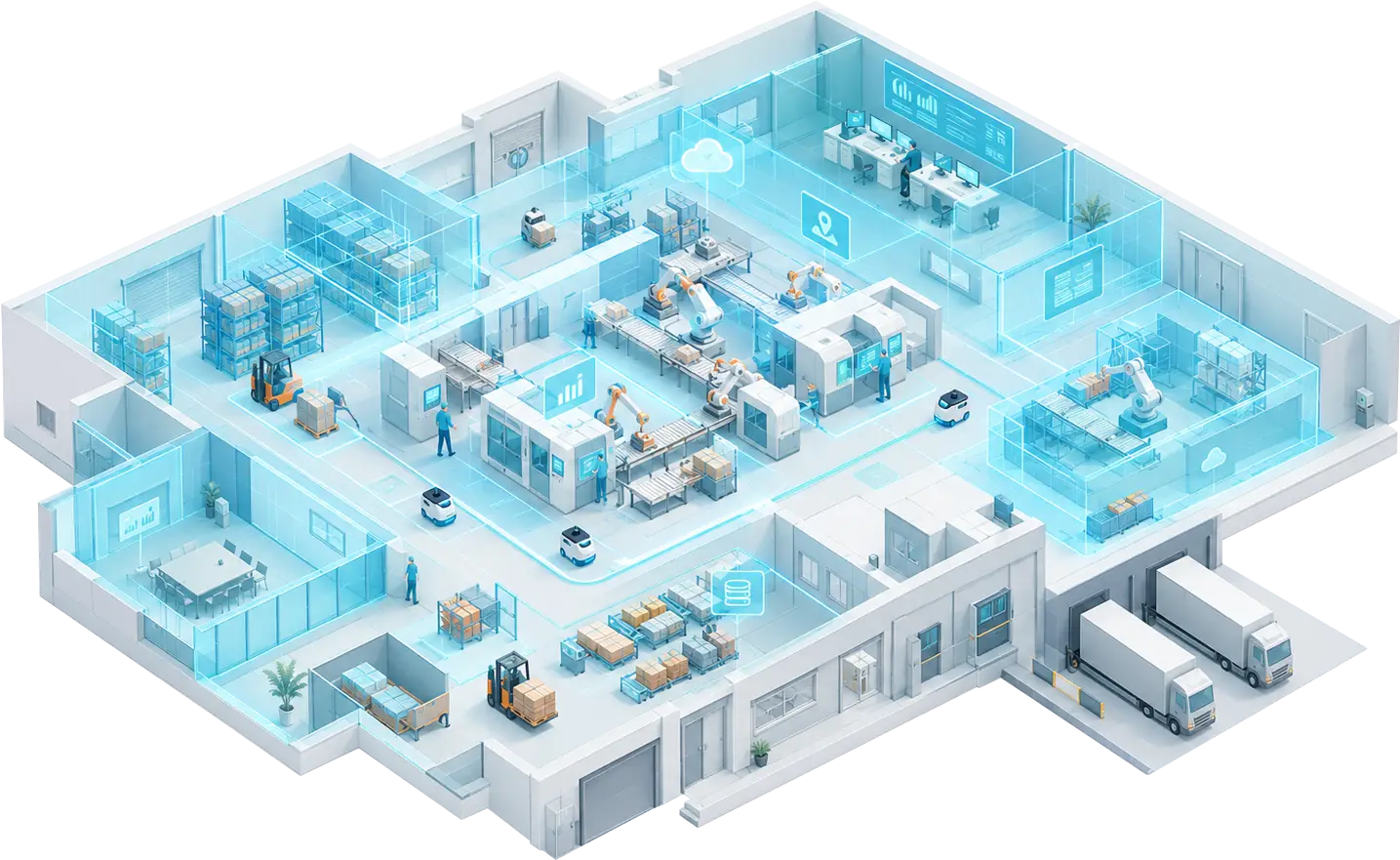
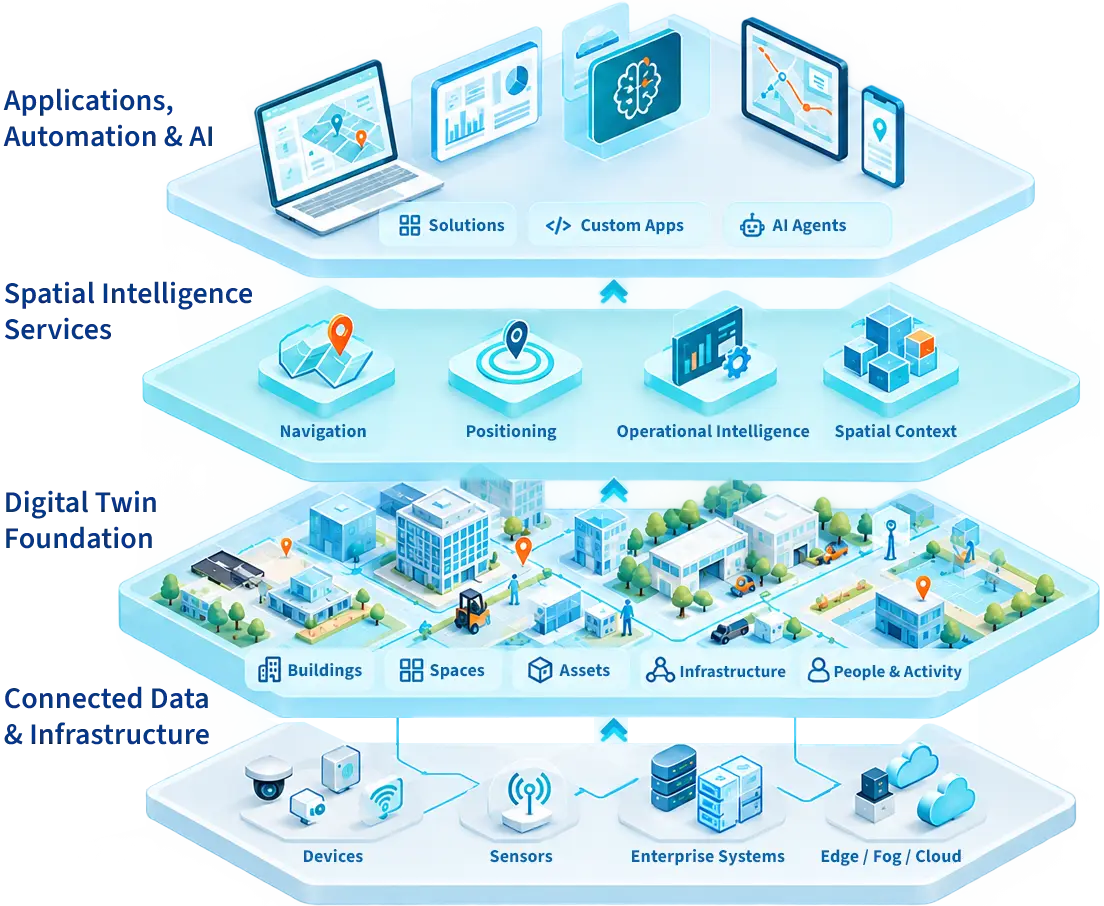
The platform continuously connects the physical and digital worlds, transforming real-world activity into actionable intelligence.
At the core of the platform is a digital twin that represents buildings, campuses, assets, infrastructure, and operational activity within a unified spatial model.
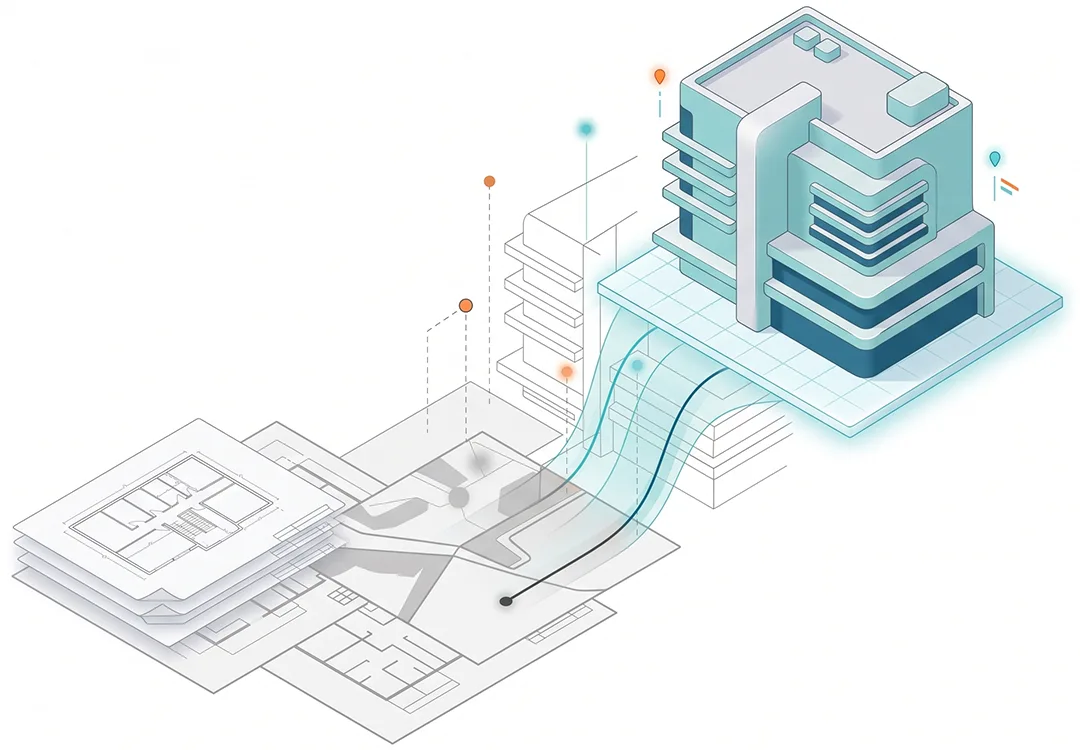
Vicinia transforms floor plans, campus maps, CAD drawings, GIS data, and other spatial resources into operational digital twins that can be used across applications, analytics, workflows, and intelligent services.
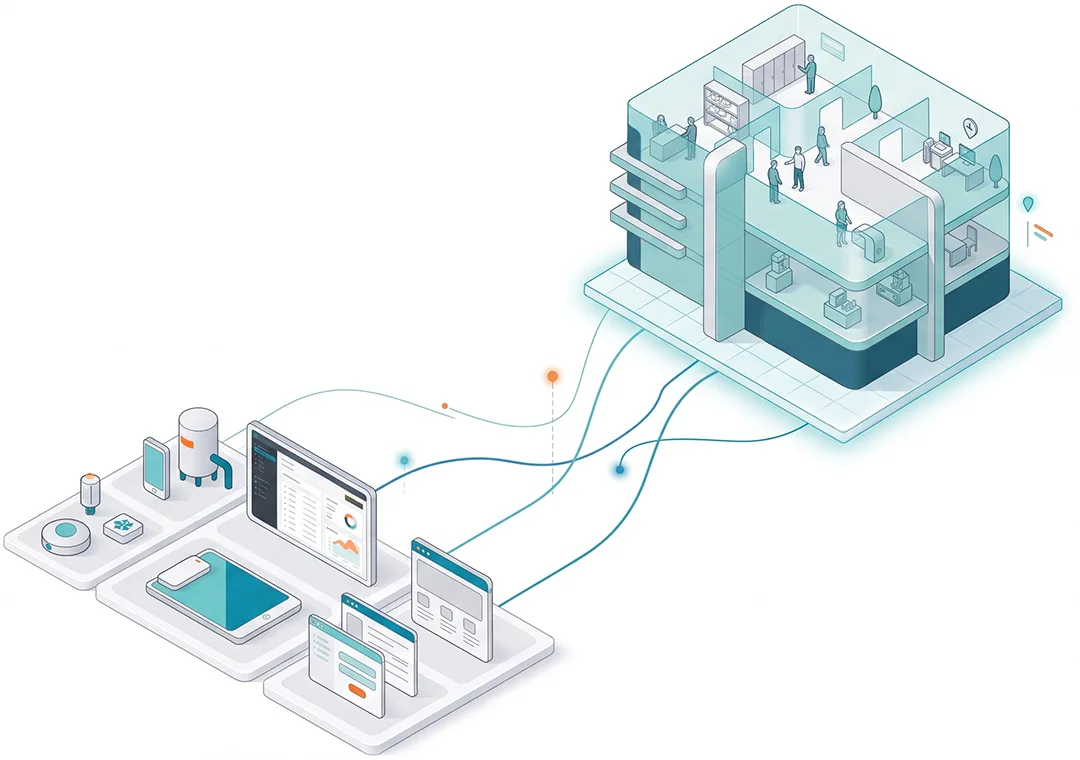
The platform can ingest and contextualize data from virtually any sensor, device, enterprise application, operational system, or user-facing experience.
Rather than creating isolated streams of information, Vicinia places this data within the context of the digital twin, enabling organizations to understand how people, assets, spaces, and services interact across their environment.
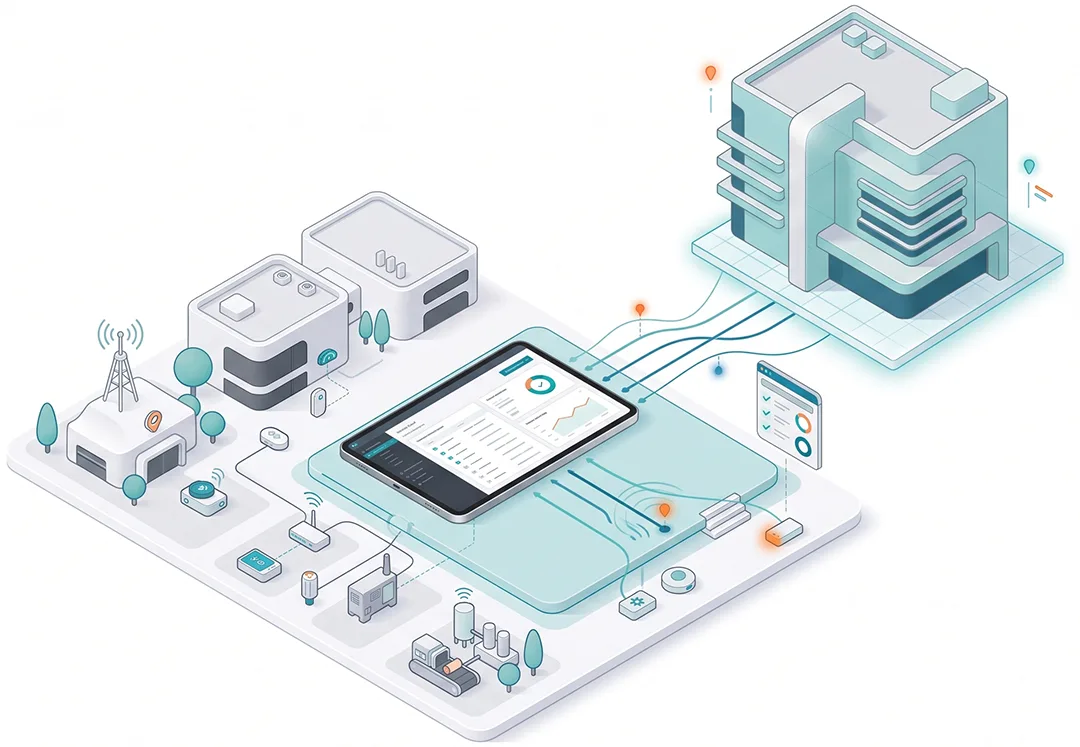
Connected environments depend on reliable infrastructure. The platform includes capabilities for provisioning, monitoring, configuring, and managing distributed IoT devices and supporting infrastructure throughout their lifecycle.
By simplifying the operational management of connected environments, organizations can deploy and maintain digital twin initiatives at scale while ensuring data quality, reliability, and visibility across the ecosystem.
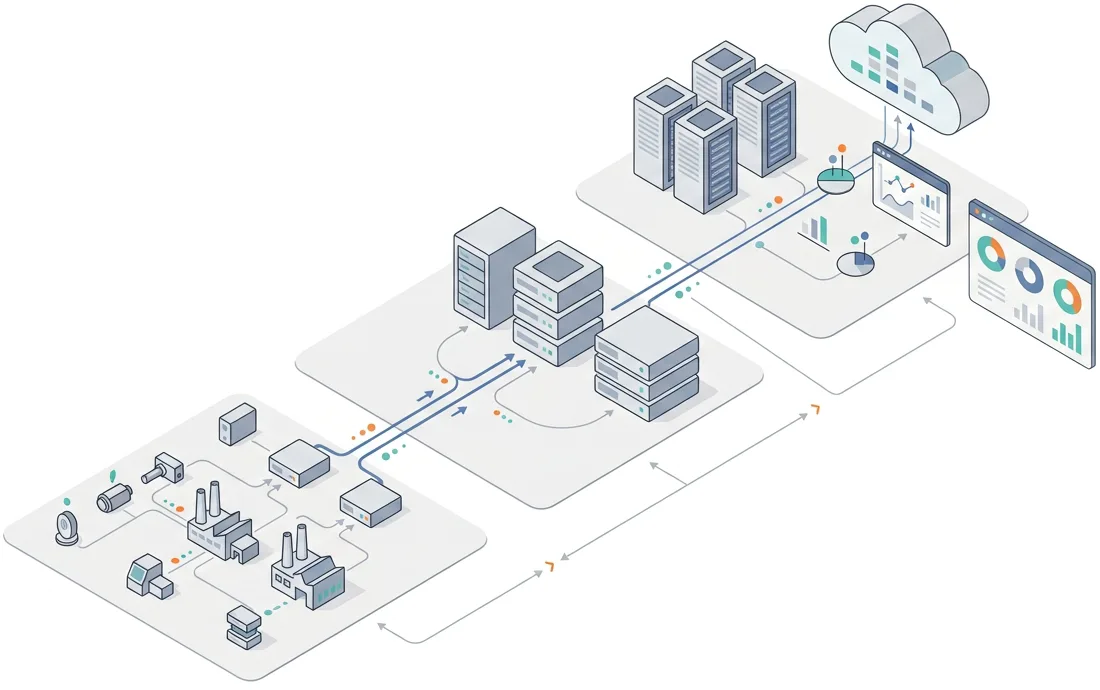
The platform supports deployments spanning edge devices, fog processing, and cloud infrastructure.
This distributed architecture enables organizations to collect, process, and synchronize information wherever it is generated while maintaining a unified operational view of the environment.
A digital twin becomes valuable when it evolves beyond representation and begins delivering intelligence.
The Vicinia platform provides spatial intelligence services that make physical environments understandable and actionable for applications, automation, analytics, and AI.
Understand how spaces, buildings, assets, and services relate to one another through a common machine-readable representation of the environment.
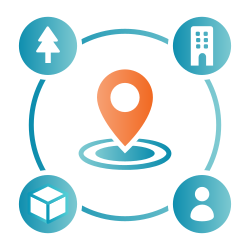
Provide location awareness, positioning, geofencing, and real-time context for people, assets, and activities across indoor and outdoor environments.
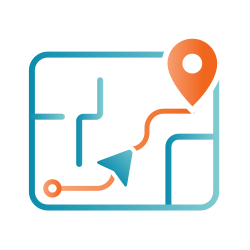
Support routing, accessibility-aware navigation, wayfinding, mobility workflows, and movement optimization across complex physical environments.
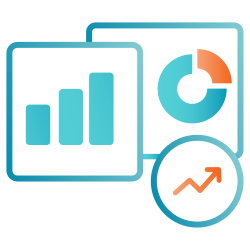
Transform activity, utilization, occupancy, and movement data into insights that improve decision-making, efficiency, and operational performance.
Developing effective spatial intelligence requires more than deploying algorithms.
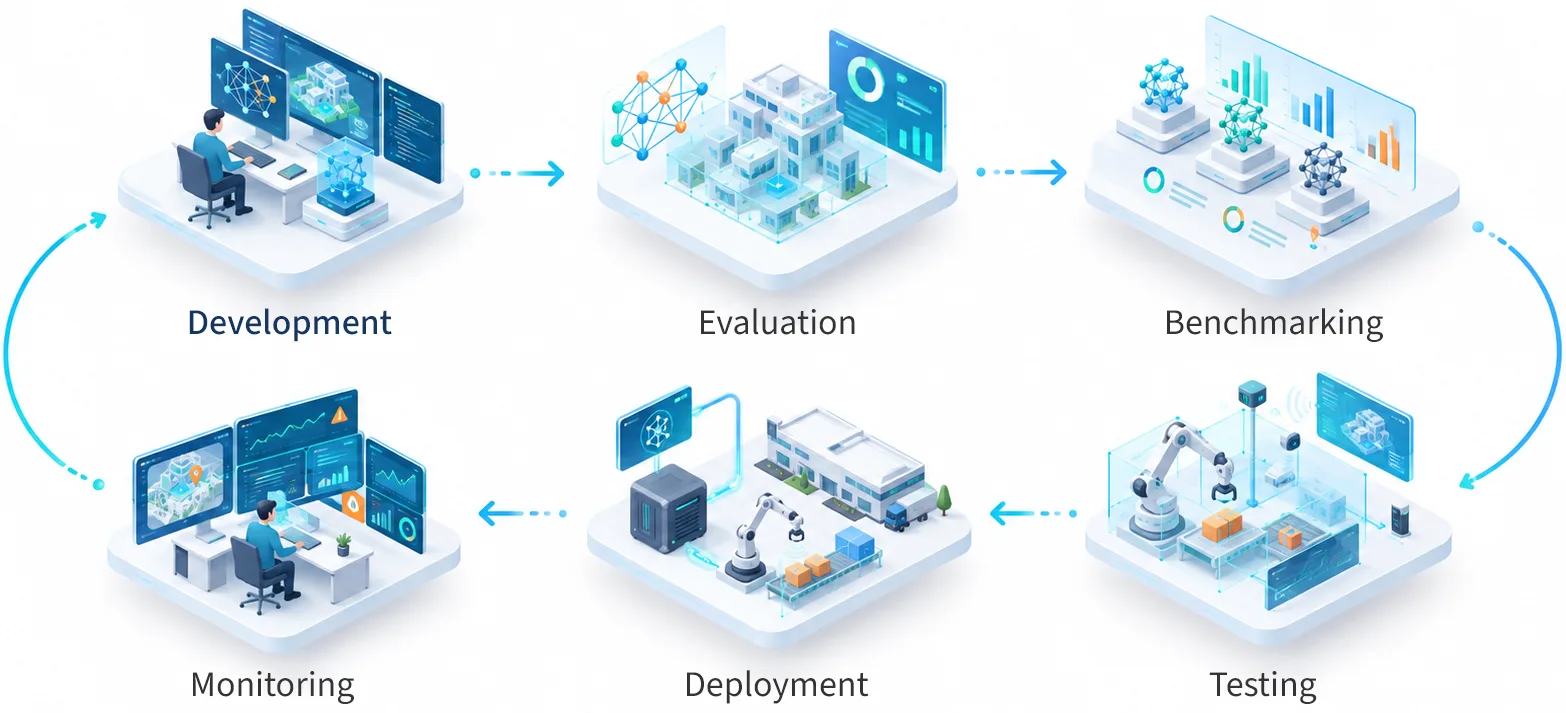
The platform provides capabilities supporting the complete AI lifecycle, including: Development , Evaluation , Benchmarking , Testing , Deployment , Monitoring
This allows organizations to continuously improve intelligent services operating within physical environments while maintaining visibility into performance, quality, and operational impact.
The Vicinia platform is designed for extensibility.
Organizations can integrate existing systems, connect new technologies, and build custom experiences on top of a shared digital twin foundation.
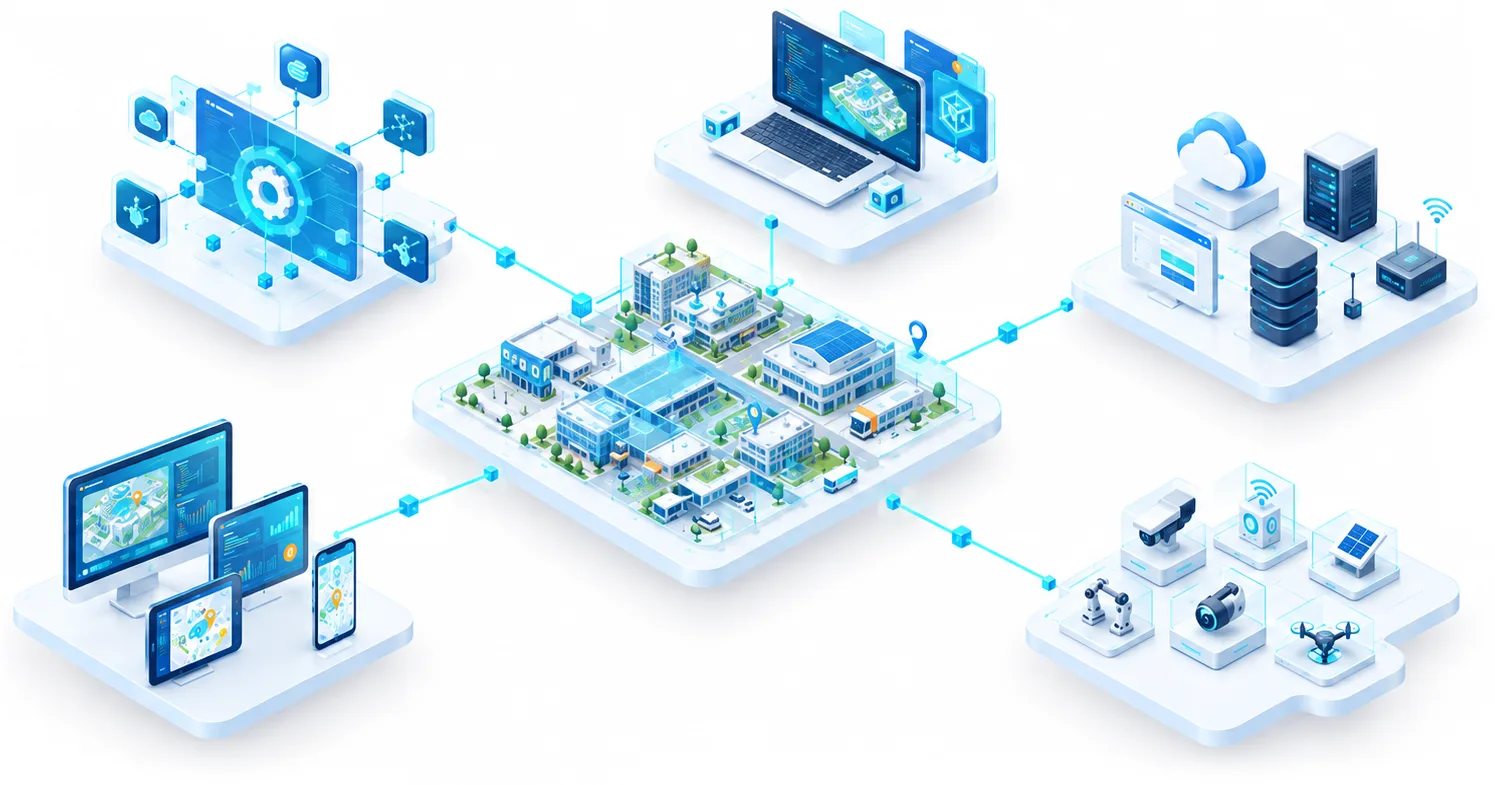
Through APIs, SDKs, and integration services, developers can access digital twin data, spatial intelligence services, location capabilities, and contextual information required to build next-generation applications.
As intelligent systems move beyond the screen and into the physical world, context becomes increasingly important.
Applications, automation systems, robots, and AI agents need to understand where things are, how spaces connect, how people move, and what is happening in real time.
The Vicinia IIoT Digital Twin Platform transforms physical environments into machine-understandable digital twins that serve as the world model and live contextual layer for intelligent systems operating in the physical world.
From operational applications today to emerging Physical AI systems tomorrow, Vicinia provides the foundation for intelligent interaction with physical space.
Whether you’re connecting operational systems, building new applications, integrating spatial intelligence, or preparing for the future of Physical AI, the Vicinia IIoT Digital Twin Platform provides a common foundation for innovation.
Tell us a bit about your needs and we’ll show you
how Vicinia can make a difference for your organization.
"*" indicates required fields
"*" indicates required fields