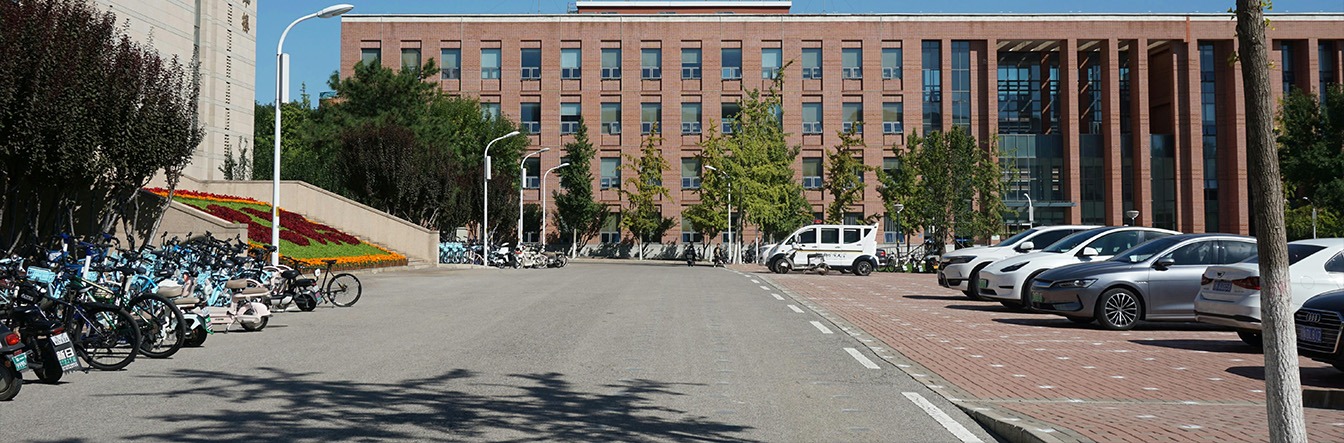

Anyone who has ever been in a hurry on campus knows how frustrating it can be to locate a person or a conference room. You waste valuable time navigating unfamiliar hallways and searching for the correct location. What if you could make it easier? You could find your way using indoor positioning software.
What is indoor positioning software?
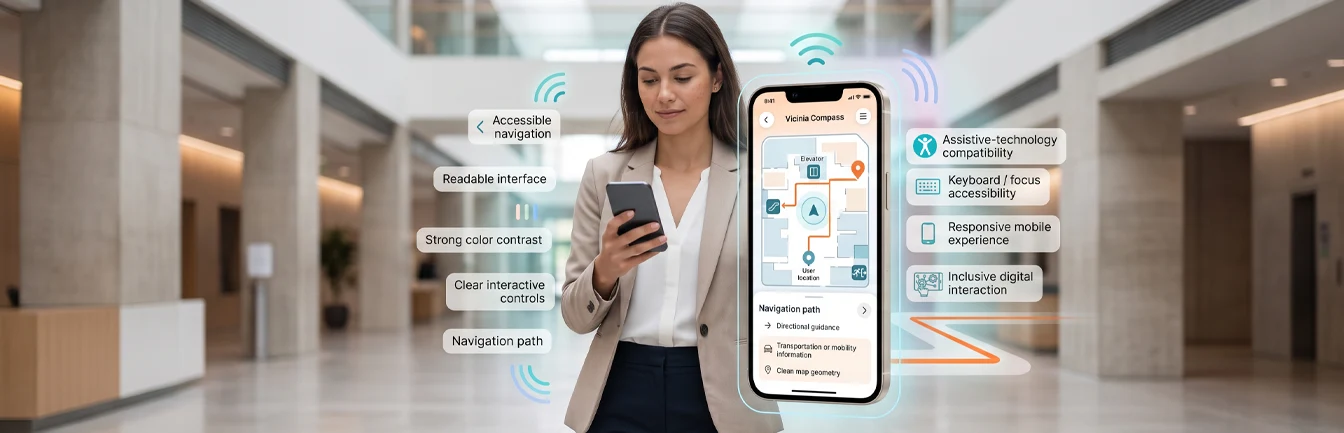
The term may sound very technical, but think of it as a GPS for indoor spaces. Traditional tools like Google Maps work well outside, but they struggle indoors. Indoor positioning software (IPS) creates a digital map of indoor areas. It helps you find your way inside using a mobile or desktop app.
How Indoor Positioning Systems Work
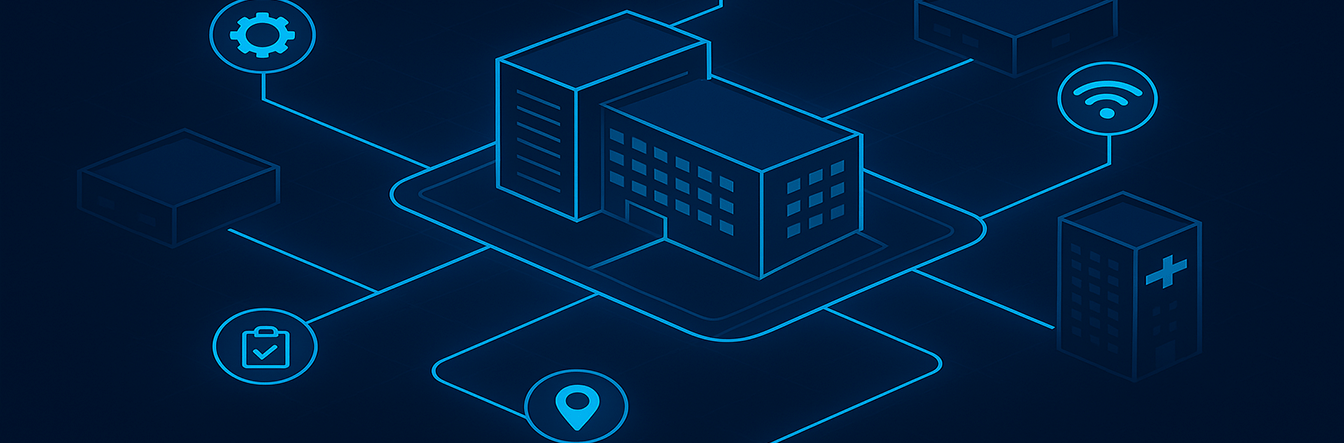
Indoor positioning systems combine hardware, software, and sensors. They track and report location data in real time. These systems help people navigate through campuses by offering step-by-step directions.
This technology is beneficial because it guides users to locations and rooms. It also points to inanimate objects like equipment, parking spaces, or meeting areas. With IPS, people get to meetings on time. They work together efficiently and easily find tools.
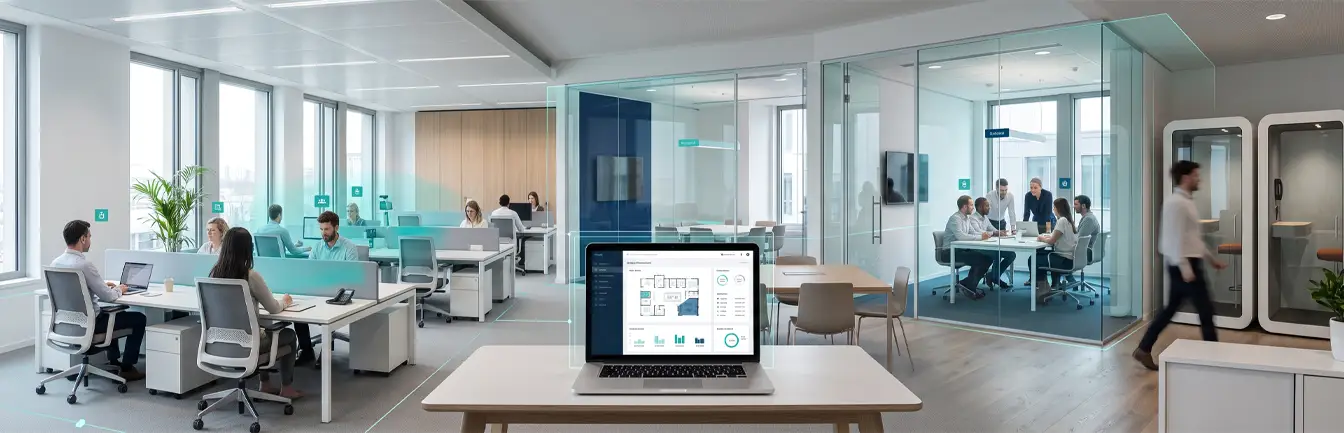
IPS helps users find their way, making the best use of shared spaces. This includes offices, auditoriums, and theaters. With IPS, these areas are used effectively and cleared quickly for the next people.
Real-Life Application: Navigating a Campus with IPS
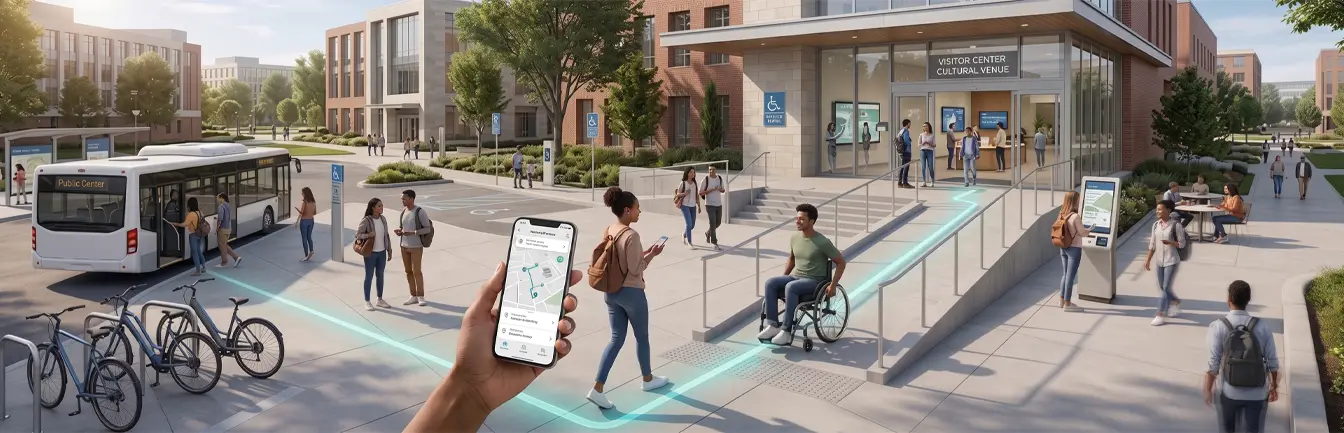
Imagine Peter and Jane, two attendees at a digital tech symposium at a local university. The event will happen at 11:00 AM in the main auditorium of the university. They are visiting the campus for the first time. At 10:45 AM, they realize they need directions quickly.
Jane opens a wayfinding app on her smartphone and accesses a digital map of the campus. The app detects her current location and provides a prompt to begin navigating. She comes across a kiosk. An interactive assistant tells her she is on the right path. The kiosk talks to sensors around campus. It always tracks her location. It also guides her step by step to her destination.
Peter and Jane arrive at the main auditorium five minutes early. They use navigation tools and location checks to find their way.
Beyond Navigation: The Added Benefits of IPS
Beyond helping users find their way, indoor positioning software offers several extra benefits:
- Virtual Tours: Users can check out a campus or museum online. This helps them understand the layout before their visit.
- Accessibility Improvements: IPS offers custom routes for those with mobility challenges. This ensures that everyone can access services.
- Asset Tracking: Organizations can track valuable equipment, ensuring efficient resource management.
- Parking Assistance: This system helps drivers quickly find open parking spots. It helps cut down on congestion and frustration.
Experience the Future of Indoor Navigation
Indoor positioning software is changing how we move through complex indoor spaces. It makes campuses, corporate buildings, and public areas easier to navigate. IPS helps students, visitors, and event attendees. It removes guesswork and boosts efficiency.
Try our wayfinding software today and experience seamless indoor navigation firsthand!